The primary function of high-concentration formaldehyde solution is to act as a potent chemical disinfectant designed for the comprehensive sterilization of beekeeping equipment. It is specifically employed to treat contaminated hive interiors, frames, and tools, effectively eliminating the pathogens responsible for Nosematosis to prevent cross-infection.
Nosematosis can persist through resilient spores that survive on equipment long after the bees are gone. High-concentration formaldehyde solves this by utilizing strong sporicidal properties to destroy these pathogens, effectively breaking the cycle of secondary outbreaks.
The Mechanism of Disinfection
Strong Sporicidal Properties
The defining characteristic of high-concentration formaldehyde in this context is its sporicidal capability. Nosematosis is often transmitted via durable spores that standard cleaners may miss.
Formaldehyde does not merely sanitize; it destroys these spores. This ensures that the biological agents responsible for the disease are eradicated at a fundamental level.
Bactericidal Action
Beyond spores, the solution possesses strong bactericidal properties. This allows it to kill a broad spectrum of bacteria that may be present within the hive environment.
This dual action ensures a "clean slate" for the colony, reducing the overall pathogen load within the apiary.
Comprehensive Equipment Treatment
Sterilizing Hive Components
The solution is used to treat the structural elements of the apiary, including beehive interiors, frames, and partition boards.
Because these wooden and synthetic components often harbor disease, deep chemical sterilization is necessary to reach pathogens hidden in crevices or porous surfaces.
Disinfecting Tools
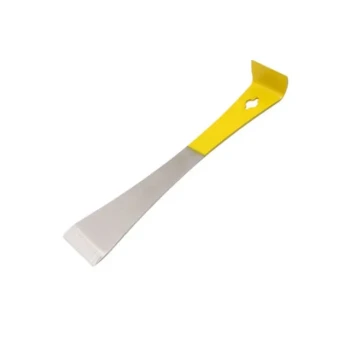
Beekeeping tools are common vectors for transferring disease between colonies.
Formaldehyde solution is utilized to sterilize these instruments, ensuring that a beekeeper does not inadvertently carry infection from a sick hive to a healthy one.
Understanding the Trade-offs
Potency vs. Handling
High-concentration formaldehyde is described as a "potent chemical." While this potency ensures the destruction of resilient pathogens, it indicates an aggressive treatment method.
Unlike milder organic treatments, this is a heavy-duty sterilization approach. It effectively secures the equipment against disease but relies on the use of strong chemical agents rather than natural or biological controls.
Making the Right Choice for Your Goal
To effectively manage Nosematosis, you must match your disinfection strategy to your specific needs.
- If your primary focus is eradicating an active outbreak: Prioritize the comprehensive sterilization of hive interiors and frames to destroy all lingering spores.
- If your primary focus is preventing cross-infection: Focus on the rigorous disinfection of tools and partition boards between colony inspections to stop the spread.
By utilizing the sporicidal power of high-concentration formaldehyde, you ensure your equipment remains a barrier against disease rather than a carrier.
Summary Table:
| Feature | Function in Nosematosis Control | Impact on Beekeeping Equipment |
|---|---|---|
| Sporicidal Action | Destroys resilient spores at the source | Eradicates deep-seated pathogens in hive crevices |
| Bactericidal Power | Kills a broad spectrum of bacteria | Reduces overall pathogen load for new colonies |
| Material Reach | Penetrates wooden and porous surfaces | Sanitizes hive interiors, frames, and partition boards |
| Tool Disinfection | Breaks the chain of transmission | Prevents cross-infection between healthy and sick hives |
Protect Your Colonies with Professional-Grade Solutions
Managing an apiary requires more than just knowledge; it requires the right tools to combat persistent diseases like Nosematosis. HONESTBEE is dedicated to supporting commercial apiaries and distributors by providing a comprehensive range of high-quality beekeeping equipment and industrial tools.
From advanced hive-making and honey-filling machinery to essential consumables and specialized hardware, our portfolio is designed to enhance your operational efficiency and ensure hive health. Let us help you scale your beekeeping business with reliable, wholesale solutions tailored to your needs.
Contact HONESTBEE today for wholesale inquiries and expert equipment support
References
- İradə Quliyeva. BAL ARILARININ NOZEMATOZ XƏSTƏLİYİNƏ QARŞI MÜBARİZƏ TƏDBİRLƏRİ. DOI: 10.36719/2789-6919/25/18-20
This article is also based on technical information from HonestBee Knowledge Base .
Related Products
- Stainless Steel J Hook Hive Tool for Beekeeping
- HONESTBEE 15-in-1 Beekeeper Multi-Tool with Hammer and Pliers for Beekeeping
- HONESTBEE Classic Pry Bar Hive Tool with High Visibility Finish for Beekeeping
- Multi-Function Plier-Style Frame Grip Hive Tool
- Stainless Steel Queen Grafting Tool for Beekeeping and Bee Queen Grafting
People Also Ask
- What specific challenges do beekeeping hive tools address during hive maintenance? Essential Solutions for Apiaries
- What is a J-hook hive tool and why is it favored by some beekeepers? Master Gentle Frame Handling
- What are the features of a J-hook hive tool? Effortlessly Lift Frames with Superior Leverage
- What is the purpose of the J-hook hive tool? Effortlessly Lift Frames with Superior Leverage
- How is a J-hook hive tool designed and what is its primary use? Master Effortless Hive Inspections