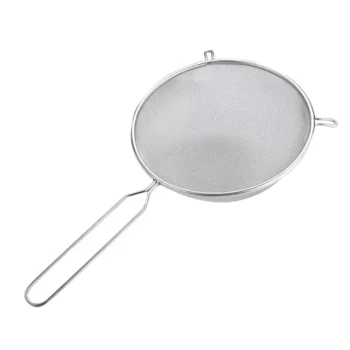
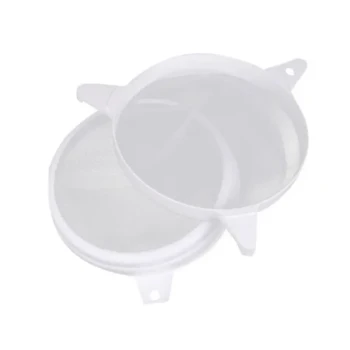
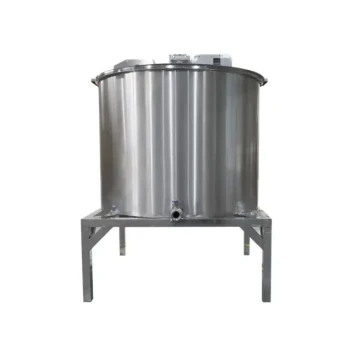
The primary function of high-efficiency filtration and sedimentation equipment in honey post-processing is the rigorous removal of physical impurities. specifically bee body parts, wax debris, and other insoluble residues introduced during extraction. By controlling the precise content of insoluble solids and the proportion of ash, this equipment ensures the final product meets statutory hygiene and purity standards, such as the MAPA No. 11/2000 Normative Instruction.
By effectively separating solid contaminants from the liquid honey, this equipment transforms raw extraction into a commercially viable product. It ensures compliance with strict regulatory frameworks regarding hygiene while preparing the honey for international distribution.
The Mechanics of Purification
Eliminating Physical Contaminants
The extraction process inevitably introduces debris into raw honey. The core role of filtration and sedimentation machinery is to mechanically separate these solids.
This includes visible contaminants like wax cappings and bee legs, as well as finer particulate matter.
Removing these elements is necessary to lower the insoluble solid content, a key metric in regulatory quality control.
Controlling Ash Content
Beyond visible debris, high-efficiency equipment helps regulate the chemical composition of the honey, specifically the "ash" content.
Ash refers to the inorganic mineral residue remaining after combustion. High levels of foreign matter contribute to higher ash percentages.
By filtering out these impurities, producers ensure the honey falls within the specific ranges dictated by health and safety norms.
Preservation of Quality and Stability
Protecting Bioactive Compounds
Modern high-precision equipment offers a significant advantage: it purifies honey without the need for excessive heat treatment.
Traditional methods often rely on heating to reduce viscosity for filtering, which can degrade sensitive enzymes and vitamins.
Advanced physical purification maintains the integrity of bioactive substances such as natural enzymes and pollen, preserving the flavor profile required for the organic market.
Extending Shelf Life
Microscopic impurities and air bubbles trapped within honey act as nucleation sites.
These sites accelerate the natural crystallization process, turning liquid honey solid or gritty prematurely.
By utilizing pressure centrifugal filtration to remove these microscopic fragments and air pockets, the equipment significantly delays crystallization and extends the product's usable shelf life.
Understanding the Trade-offs
Balancing Clarity with Character
While removing impurities is essential, there is a delicate balance between purification and "over-processing."
The goal is to remove foreign debris (wax, insect parts) without stripping the honey of its botanical identity (pollen).
High-efficiency equipment is designed to target specific particle sizes, ensuring that while "dirt" is removed, the microscopic pollen grains that verify the honey's floral source remain intact.
Operational Complexity
Implementing high-efficiency filtration, such as pressure centrifugal systems, increases the technical complexity of the production line.
Unlike simple gravity straining, these systems require precise pressure management.
Operators must ensure filters are fine enough to remove wax and bubbles but permeable enough to prevent bottlenecks or excessive pressure that could physically stress the honey.
Making the Right Choice for Your Goal
When selecting filtration and sedimentation technology, align the equipment capabilities with your specific market objectives:
- If your primary focus is Regulatory Compliance: Prioritize equipment certified to control insoluble solids and ash content to meet standards like MAPA No. 11/2000.
- If your primary focus is the Organic Market: Select high-precision physical filtration systems that explicitly avoid heat to preserve enzymes and pollen.
- If your primary focus is Shelf Stability: Utilize pressure centrifugal filtration to remove microscopic nucleation sites and air bubbles that accelerate crystallization.
Effective filtration is the bridge between a raw agricultural yield and a stable, high-value consumer product.
Summary Table:
| Feature | Primary Function | Key Benefit |
|---|---|---|
| Physical Filtration | Removes wax, bee debris, and insoluble solids | Ensures compliance with hygiene standards (e.g., MAPA No. 11/2000) |
| Ash Content Control | Eliminates inorganic mineral residues | Enhances purity and meets international regulatory metrics |
| Enzyme Preservation | Purifies without excessive heat treatment | Maintains bioactive compounds and natural flavor profiles |
| Centrifugal Pressure | Removes microscopic nucleation sites and air bubbles | Significantly delays crystallization and extends shelf life |
Elevate Your Honey Production with HONESTBEE
Transform your raw extraction into premium, market-ready honey with HONESTBEE. As a dedicated partner to commercial apiaries and global distributors, we provide more than just tools—we provide the technological edge needed to succeed in a competitive industry.
Our comprehensive wholesale portfolio includes:
- Advanced Filtration & Machinery: Precision honey-filling and high-efficiency filtration systems designed to maintain bioactive integrity.
- Industrial Hardware: Durable hive-making machines and heavy-duty extraction equipment.
- Beekeeping Essentials: A full spectrum of professional tools and industry consumables.
- Cultural Merchandise: Unique honey-themed products to diversify your retail offering.
Whether you are scaling your processing line or stocking a distribution network, HONESTBEE delivers the quality and reliability your business demands.
Ready to optimize your operations? Contact us today to discuss your wholesale needs!
References
- Letícia Damasia-Gomes, Carlos de Melo e Silva‐Neto. PHYSICAL-CHEMICAL CHARACTERISTICS OF HONEY ON BRAZIL. DOI: 10.18677/enciclopedia_biosfera_2015_110
This article is also based on technical information from HonestBee Knowledge Base .
Related Products
- Electric Double Wall Honey Filtering Machine Purifier Equipment for Honey Processing Plant
- Honey Concentrating and Filtering Dehumidifier Machine 2T Capacity for Honey
- Professional Honey Filter with Tripod Support Stand
- 0.5T Capacity Honey Dehumidifier Dryer with Vacuum Heating and Thickening Filtering Machine
- Professional Stainless Steel Honey Filter with Support Handle
People Also Ask
- What types of equipment are used in honey filtering? Build an Efficient System for Pure, Marketable Honey
- What is the process of filtering honey? A Guide to Clean, Pure, and Market-Ready Honey
- What is the overall importance of using the right equipment in honey filtering? Boost Quality & Marketability
- What are the benefits of drying honey filtering equipment after use? Protect Your Honey Quality & Equipment Investment
- What is a potential concern associated with filtering honey? Balancing Clarity and Pollen Preservation