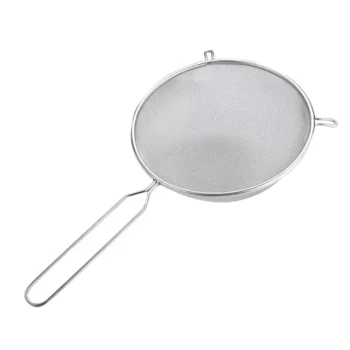
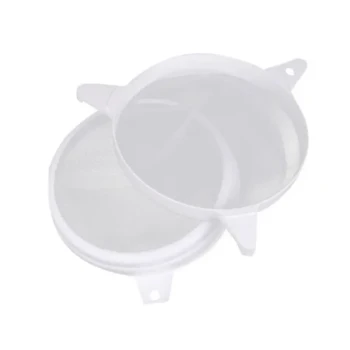
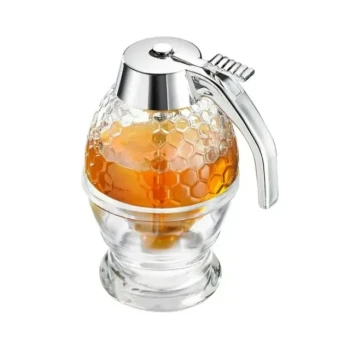
The primary function of high-precision honey filters is to serve as a rigorous physical purification barrier. utilizing fine mesh structures, these filters mechanically remove beeswax residue, bee fragments, and other suspended debris from the raw harvest. This process is critical for transforming raw honey into a commercially viable product by ensuring high visual clarity and strict adherence to food safety standards.
High-precision filtration acts as the definitive quality control step between extraction and bottling, removing physical contaminants to stabilize the product without altering its fundamental chemical composition.
The Mechanics of Purification
Physical Debris Removal
The immediate goal of high-precision filters is the mechanical separation of solid impurities. This equipment targets beeswax fragments, bee remains, and forest debris that are naturally collected during the harvesting process.
Multi-Stage Screening
Professional systems often employ a multi-layered precision mesh structure or specialized filter cloths. This design allows for the progressive removal of particles, ensuring that even microscopic debris is captured before the honey reaches the settling tanks.
Impact on Quality and Stability
Enhancing Visual Appeal
Marketability relies heavily on the aesthetic presentation of the honey. Filtration removes the suspended particles that cause cloudiness, resulting in enhanced clarity and visual purity that signals professionalism to the consumer.
Preventing Premature Crystallization
Impurities such as wax and pollen clusters act as nucleation sites where sugar crystals begin to form. By removing these particles, high-precision filtration effectively delays abnormal crystallization, extending the shelf life of the product in its liquid state.
Ensuring Hygiene and Safety
Beyond aesthetics, filtration is a non-negotiable hygiene standard. Removing organic matter reduces the risk of microbial fermentation and ensures the final product complies with modern food processing safety regulations for commercial distribution.
Understanding the Trade-offs
Flow Rate Limitations
The "high-precision" nature of these filters implies very fine mesh sizes. This creates significant resistance, which can reduce processing speed and requires frequent maintenance to prevent clogging, unlike coarser straining methods.
The "Raw" Definition Balance
There is a delicate balance between purity and over-processing. While removing "pollen clusters" is necessary for clarity, aggressive ultra-fine filtration can inadvertently strip away beneficial microscopic pollen, potentially affecting the honey's classification as "raw" or its distinct geographical character.
Making the Right Choice for Your Goal
To select the appropriate filtration strategy, consider your end-market requirements:
- If your primary focus is Mass Market Retail: Prioritize high-precision filtration to maximize visual clarity and delay crystallization for longer shelf stability.
- If your primary focus is Artisan/Raw Certification: Use a coarser filtration setting that removes visible debris and wax but retains microscopic pollen to preserve the honey's natural profile.
Select the filtration precision that secures consumer confidence while respecting the natural integrity of your specific honey variety.
Summary Table:
| Feature | Primary Function & Benefit | Impact on Quality |
|---|---|---|
| Physical Purification | Removes beeswax, bee fragments, and forest debris | Ensures a hygienic, debris-free final product |
| Clarity Enhancement | Eliminates suspended particles that cause cloudiness | Produces a bright, professional appearance for retail |
| Crystallization Control | Removes nucleation sites like wax and pollen clusters | Extends liquid shelf life by delaying sugar crystal formation |
| Safety Compliance | Reduces organic matter to prevent fermentation | Meets strict food safety regulations for commercial sale |
Elevate Your Honey Quality with HONESTBEE Professional Solutions
At HONESTBEE, we understand that high-precision filtration is the bridge between a raw harvest and a premium commercial product. Whether you are a large-scale commercial apiary or a global distributor, our comprehensive wholesale offering provides the specialized tools you need to succeed.
From high-efficiency honey-filling machines to advanced filtration hardware, we supply the full spectrum of beekeeping machinery and essential industry consumables designed to maximize your output and product stability. Let us help you refine your process and protect your honey's natural integrity.
Ready to upgrade your processing line? Contact our experts today to discover how HONESTBEE's wholesale solutions can scale your business.
References
- Ikechi Kelechi Agbugba, Youssouf Diabaté. Socio-Economic and Profitability Analysis of Honey Marketing in Port Harcourt City Local Government Area of Rivers State, Nigeria. DOI: 10.7176/jesd/11-6-01
This article is also based on technical information from HonestBee Knowledge Base .
Related Products
- Professional Stainless Steel Honey Filter with Support Handle
- Professional Stainless Steel Honey Filtering Machine with Water Bath Heating for Beekeeping
- Professional Cone-Shaped Honey Filter with Reinforced Steel Ring
- Professional Honey Filter with Tripod Support Stand
- Electric Double Wall Honey Filtering Machine Purifier Equipment for Honey Processing Plant
People Also Ask
- Why are stainless steel filters essential during the initial purification phase of honey processing? Ensure Purity
- What are the benefits of using a high-quality honey filter? Elevate Purity and Preserve Natural Flavor
- What is the primary purpose of honey filters? Achieve Professional Clarity & Pure Honey Quality
- What micron filter should I use for honey? Choose the Right Filter for Sales or Competitions
- Why do people filter honey? For Clarity, Stability, and Consumer Appeal