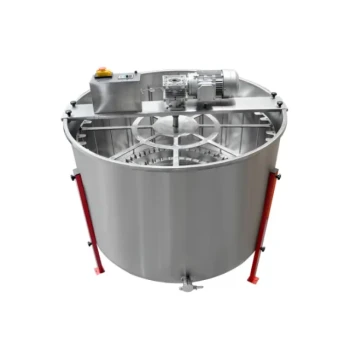
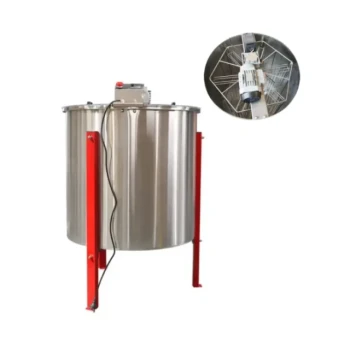
The primary function of high-speed mixing equipment in this context is to apply powerful mechanical shear forces to thoroughly pulverize ripened fruit or boiled vegetable matter within a water base. This deep blending process breaks down plant tissues to ensure vital nutrients are fully released and integrated into the liquid, creating a suspension suitable for honeybees.
Core Insight: High-speed mixing is not merely about stirring; it is an extraction process. It transforms solid plant matter into a uniform liquid suspension, unlocking nutrients from cellular tissues and creating a consistency that permits necessary filtration and ingestion by bees.
The Mechanics of Nutrient Extraction
Applying Mechanical Shear Force
The equipment relies on mechanical shear forces rather than simple rotation. This intense physical stress tears apart the cellular structure of the plant material.
By disrupting the tissues of ripened fruits or boiled vegetables, the mixer exposes the internal nutrients that would otherwise remain trapped in solid matter.
Creating a Uniform Suspension
The process ensures the plant material is deeply blended with the water medium. This goes beyond a simple mixture; it creates a homogenized suspension where particles are evenly distributed.
This integration is essential for preventing the separation of solids and liquids, ensuring the feed remains consistent during processing.
Why This Matters for Hive Health
Facilitating Downstream Filtration
Bee feed derived from fibrous raw materials requires filtration before use. The high-speed mixing process reduces particle size significantly.
This pulverization allows the mixture to pass through filtration systems efficiently, removing indigestible solids while retaining the nutrient-rich liquid.
Enabling Ingestion
Honeybees are anatomically adapted to consume liquids, nectars, and syrups, not solid fruits or vegetables.
The mixing process converts solid raw materials into a liquid medium. This transformation is the critical step that makes the nutrients physically accessible and ingestible for the colony.
Critical Process Requirements
Pre-Treatment of Raw Materials
The reference explicitly notes the use of ripened fruits or boiled vegetables. High-speed mixing is most effective when the cellular structure has already been softened.
Attempting to process hard, raw vegetables or under-ripe fruit without thermal pretreatment (boiling) or enzymatic softening (ripening) will result in poor nutrient release and potential equipment strain.
The Necessity of Water Integration
The shear force must occur in the presence of water. The water acts as the solvent and carrier for the released nutrients.
Without the correct water-to-solids ratio, the mixture will become a paste rather than a suspension, clogging filtration systems and becoming impossible for bees to consume.
Making the Right Choice for Your Goal
To maximize the quality of your supplemental bee feed, consider the following:
- If your primary focus is Nutrient Availability: Ensure your equipment delivers sufficient shear force to fully rupture plant tissues, as this dictates the amount of nutrition released into the water.
- If your primary focus is Process Efficiency: Prioritize the pre-treatment of your raw materials (boiling or ripening) to allow the high-speed mixer to create a uniform suspension quickly, preventing filtration bottlenecks.
Effective feed preparation relies on converting solid potential into liquid accessibility.
Summary Table:
| Feature | Primary Function & Benefit |
|---|---|
| Core Mechanism | Applies mechanical shear force to pulverize plant tissues |
| Nutrient Extraction | Breaks cellular structures to release trapped vitamins and minerals |
| Consistency | Creates a uniform liquid suspension suitable for filtration |
| Ingestion Readiness | Converts solid solids into a liquid medium honeybees can consume |
| Process Efficiency | Enables smooth downstream filtration by reducing particle size |
Scale Your Apiary Operations with HONESTBEE
At HONESTBEE, we understand that high-quality supplemental feed is the backbone of a healthy commercial apiary. As a premier provider for commercial beekeepers and global distributors, we offer more than just tools—we provide a competitive edge.
From industrial-grade high-speed mixing and honey-filling machines to specialized hive-making equipment and essential consumables, our comprehensive wholesale portfolio is designed to streamline your production. Whether you are looking to optimize nutrient extraction or expand your inventory of professional beekeeping hardware, our team is ready to support your growth.
Ready to upgrade your production capabilities?
Contact us today to explore our full equipment range!
References
- KR Neupane, RB Thapa. Alternative to Off-Season Sugar Supplement Feeding of Honeybees. DOI: 10.3126/jiaas.v26i0.615
This article is also based on technical information from HonestBee Knowledge Base .
Related Products
- High Performance Cordless Electric Bee Shaker for Beekeeping
- Automatic High-Speed Bee Hive Box Stapling Machine
- Professional Hive Top Bee Feeder for Beekeeping
- HONESTBEE Professional Hive Top Bee Feeder Feeding Solution
- HONESTBEE Entrance Bee Feeder Efficient Hive Front Liquid Feeding Solution for Beekeeping
People Also Ask
- Why is the use of a bee shaker and alcohol wash necessary? Master Accurate Varroa Mite Monitoring
- What role do efficient auxiliary tools play in managing labor resources? Maximize Apiary Output & Labor Efficiency
- What should be done with the bee sample after conducting a varroa mite count with a shaker? Post-Test Care Guide
- What is an electric bee smoker? A Guide to Automated Hive Management
- What is the function of a high-performance bee smoker in commercial apiary management? Maximize Safety & Efficiency