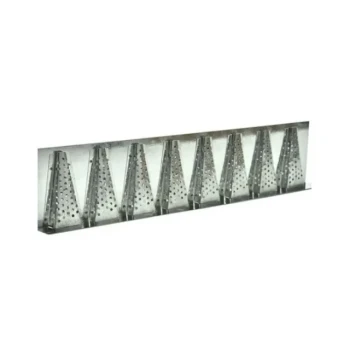
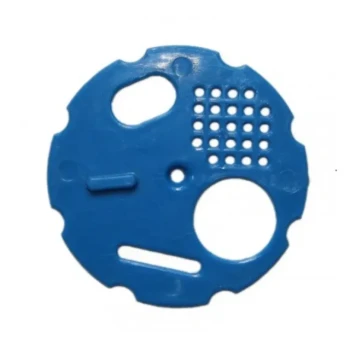
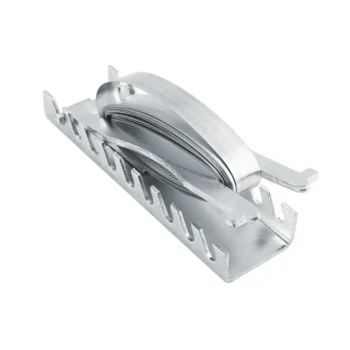
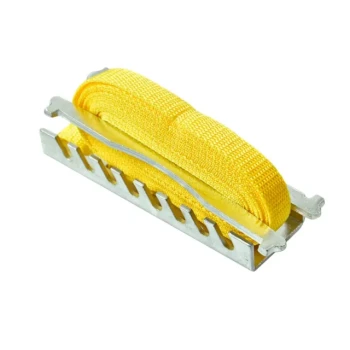
The primary function of installing protective guards at hive entrances during winter is to physically block the intrusion of rodents, specifically mice. These pests are drawn to the warmth of the hive during cold months but cause catastrophic damage to honeycomb structures and contaminate the internal environment.
Core Takeaway Protective guards are critical for maintaining colony tranquility during dormancy. By effectively excluding rodents, these devices prevent physical destruction of the comb and reduce stress on the bee cluster, directly contributing to higher winter survival rates.
The Critical Necessity of Rodent Exclusion
The Threat to Dormant Colonies
During winter, a bee colony enters a state of dormancy to conserve energy and heat. Mice seek out beehives as ideal nesting sites due to this generated warmth.
Without a physical barrier, rodents can easily bypass the colony’s reduced defenses. Once inside, they not only consume resources but also destroy the structural integrity of the hive.
preventing Structural Damage and Contamination
The intrusion of a mouse results in the destruction of honeycomb, which is labor-intensive for bees to rebuild in the spring.
Beyond physical damage, rodents contaminate the hive environment with waste. This spoilage compromises the sanitary conditions required for a healthy colony.
Preserving Colony Tranquility
Perhaps the most significant threat is the disturbance to the bee cluster. The presence of a predator causes severe stress to the dormant bees.
This disturbance forces the cluster to break formation or consume excessive resources, significantly increasing bee mortality rates. Guards ensure the colony remains undisturbed, which is essential for surviving the season.
Secondary Benefits of Entrance Management
Defense Against Robbers
While the primary focus is rodents, restricting the entrance size also aids in defense against other intruders. A reduced opening protects the colony from predators and robber bees (such as yellow jackets) looking to steal honey stores.
A smaller entrance is far more manageable for a winter-weakened colony to defend effectively.
Micro-climate Stabilization
Properly installed guards contribute to stabilizing the internal micro-climate of the hive.
By controlling the size of the opening, beekeepers can limit drafts while still allowing for necessary ventilation. This balance helps secure the resources needed for spring buildup and eventual honey production.
Understanding the Trade-offs
The Risk of Obstruction
A common pitfall when using entrance guards or reducers is the accumulation of debris. As bees die naturally during the winter, their bodies can pile up behind the guard.
If not monitored, this accumulation can completely block the entrance, trapping living bees inside and preventing necessary airflow.
Ventilation Requirements
While restricting the entrance keeps pests out, it must not cut off the oxygen supply. The colony requires adequate ventilation to respire and to allow moisture to escape.
Furthermore, bees need a clear path to exit for cleansing flights on warmer winter days. A blocked guard prevents these critical sanitation flights, leading to dysentery within the hive.
Making the Right Choice for Your Goal
To ensure your colony survives the winter intact, you must balance protection with accessibility.
- If your primary focus is preventing colony loss: Install a metal or robust plastic mouse guard immediately as temperatures drop to deny entry to nesting rodents.
- If your primary focus is hive hygiene: Schedule periodic checks to clear dead bees from the entrance using a hook or brush, ensuring the airway remains open without opening the hive body.
- If your primary focus is resource conservation: Use entrance reducers in conjunction with guards to minimize cold drafts and defend against robber bees, protecting the honey stores.
Effective winter management relies on a secure perimeter that keeps pests out while allowing your bees to breathe and function.
Summary Table:
| Feature | Primary Benefit | Why It Matters |
|---|---|---|
| Rodent Exclusion | Blocks mice and pests | Prevents honeycomb destruction and nest contamination |
| Defense Management | Deters robber bees/wasps | Protects honey stores for a weakened winter colony |
| Climate Control | Limits cold drafts | Helps maintain cluster warmth while allowing ventilation |
| Colony Peace | Reduces cluster stress | Lowers mortality rates by preventing predator disturbance |
Secure Your Apiary for the Winter with HONESTBEE
Protecting your colony starts with the right hardware. HONESTBEE provides commercial apiaries and distributors with the robust beekeeping tools and machinery needed to scale success. From durable metal entrance guards to specialized honey-processing equipment, our comprehensive wholesale range is designed to enhance your operational efficiency.
Don't let winter pests compromise your honey production. Partner with a supplier that understands the needs of large-scale beekeeping and honey-themed cultural branding. Contact HONESTBEE today to explore our full catalog and wholesale solutions!
References
- A. Mashenkov. BREED PREFERENCES AND EFFECTIVENESS OF BEEKEEPING IN THE SOUTH URAL. DOI: 10.18551/rjoas.2012-12.05
This article is also based on technical information from HonestBee Knowledge Base .
Related Products
- Beehive Entrance Reducer Guardian Metal Hive Entrance for Bees
- 8-Cone Galvanized Steel Bee Robber Guard
- Multi-Functional Sliding Hive Entrance for Beekeeping
- Multi-Functional Rotary Hive Entrance Disc for Beekeeping
- Professional Hive Front Entrance Bee Feeder
People Also Ask
- Why are entrance reducers used to counter hornet infestations? Protect Your Hive with Strategic Choke Points
- What is the purpose of an entrance reducer for a beehive? Strengthen Colony Defense and Prevent Robbery
- What are the proper guidelines for using hive entrance reducers? Master Temperature Control & Colony Defense
- Why is it critical to maintain a smaller entrance for a newly established bee hive? Boost Colony Growth and Security
- What is the physical mechanism behind the use of hive entrance reducers? Protect Your Bees from Vespa velutina