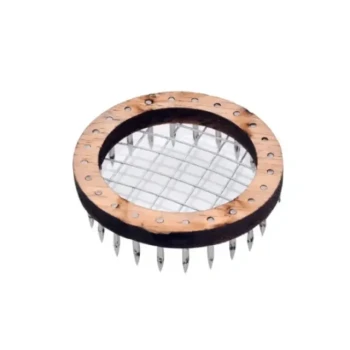
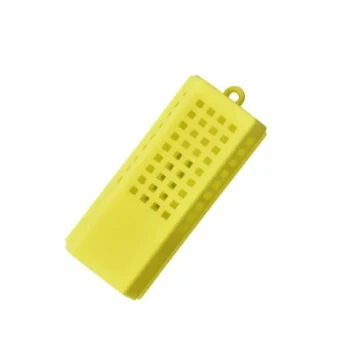
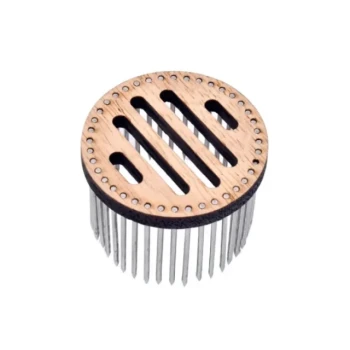
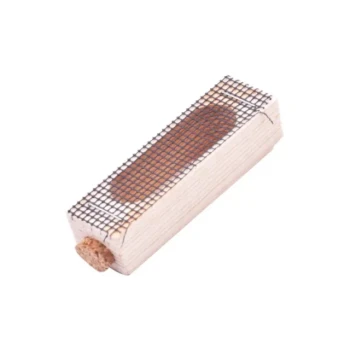
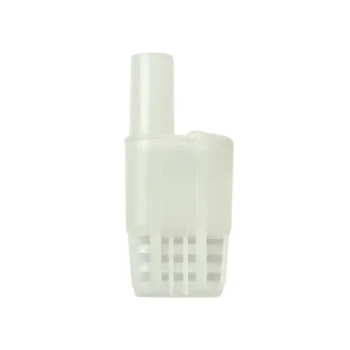
Laboratory-grade honeybee experimental cages function as precision instruments designed to standardize the rearing and treatment environment for newly emerged bees. Their primary purpose is to create an enclosed setting where researchers can control dietary inputs, administer exact pathogen dosages, and accurately measure survival rates without the environmental noise of a natural field colony.
By simulating colony conditions on a micro-scale, these cages allow for the isolation of specific variables. They transform general observation into rigorous data collection, ensuring that outcomes regarding nutrition or infection are directly linked to the experimental treatment.
Establishing a Controlled Micro-Environment
Eliminating Environmental Interference
In open-field studies, variables such as weather, diverse forage availability, and wild pathogen exposure are impossible to fully regulate.
Experimental cages provide a controlled, enclosed environment that removes these external factors.
Focusing on Newly Emerged Bees
The primary reference highlights that these cages are specifically used for the grouped feeding of newly emerged bees.
This standardization ensures that all test subjects start with a similar physiological baseline before any treatment or diet is introduced.
Precision in Nutrition and Dosage
Delivering Specific Diets
A critical function of these cages is ensuring the precise delivery of experimental diets.
Researchers can limit feed to specific sources, such as monofloral or polyfloral pollen, to test nutritional impacts.
As noted in the supplementary materials, this precision is often achieved using gravity feeders or syringes to control the exact volume and composition of the intake.
Regulating Pathogen Exposure
For infection research, these cages facilitate the controlled exposure of honeybees to specific pathogens.
The primary reference notes their utility in administering exact doses of biological agents like Nosema ceranae.
This capability allows technicians to determine the exact relationship between pathogen load and bee health.
Understanding the Trade-offs
Simulation vs. Natural Complexity
While these cages aim to simulate a honey bee colony, they remain artificial environments.
They provide a "micro-scale" version of hive life, which is excellent for isolating variables but may not fully replicate the complex social behaviors and stress factors of a full-scale hive.
Focus on Individual Survival Over Hive Health
The design is optimized for observing and recording survival rates and oral toxicity in specific groups of bees.
This data is vital for assessing biosafety or treatment efficacy, but it does not necessarily predict how a treatment will affect the collective decision-making or long-term viability of a queen-right colony.
Making the Right Choice for Your Goal
To maximize the value of laboratory-grade cages, align their use with your specific research objectives:
- If your primary focus is nutritional impact: Utilize these cages to feed groups of bees exclusive diets (e.g., monofloral pollen) to isolate the physiological effects of specific food sources.
- If your primary focus is disease treatment: Leverage the enclosed environment to administer precise doses of pathogens and potential treatments (like plant extracts) to measure specific survival outcomes.
Success in these experiments relies on using the cage to rigorously control inputs while accurately recording the resulting biological data.
Summary Table:
| Feature | Primary Research Function | Key Benefit |
|---|---|---|
| Environment Control | Eliminates external noise (weather/wild forage) | Ensures outcomes are linked solely to treatment |
| Standardization | Focuses on newly emerged bees | Establishes a consistent physiological baseline |
| Nutritional Delivery | Precise feeding via gravity feeders/syringes | Isolated testing of specific diets or pollen types |
| Infection Control | Administers exact pathogen dosages | Determines clear links between load and survival |
| Data Collection | Continuous monitoring of survival rates | Enables rigorous biosafety and efficacy assessment |
Elevate Your Research with HONESTBEE Precision Equipment
Are you looking to enhance the accuracy of your nutritional or infection studies? HONESTBEE specializes in supporting commercial apiaries, distributors, and research institutions with a comprehensive range of professional beekeeping tools and advanced machinery.
From laboratory-grade experimental cages to high-efficiency honey-filling machines and hive-making hardware, we provide the essential equipment needed to scale your operations and refine your data collection.
Ready to upgrade your facility? Contact us today to explore our wholesale solutions and expert equipment portfolio.
References
- Loreley Castelli, Karina Antúnez. Impact of Nutritional Stress on Honeybee Gut Microbiota, Immunity, and Nosema ceranae Infection. DOI: 10.1007/s00248-020-01538-1
This article is also based on technical information from HonestBee Knowledge Base .
Related Products
- Twin Queen Styrofoam Honey Bee Nucs Mating and Breeding Box
- Automatic Heat Preservation 6 Frame Pro Nuc Box for Honey Bee Queen Mating
- Langstroth Honey Bee Box Hive Boxes for Different Depths
- Hexagonal Direct Comb Introduction Queen Bee Cage
- Durable Galvanized Steel Spring Queen Bee Cage
People Also Ask
- What are the benefits of using double nuc boxes in beekeeping? Boost Apiary Resilience & Growth
- What are the practical advantages of a double nuc box? Maximize Efficiency with Standardized Beekeeping Gear
- What is the frame capacity of each side in a double nuc box? Master Queen Rearing & Colony Starts
- What are the advantages of double nuc boxes in winter? Boost Survival Rates & Apiary Resilience
- What is the purpose of exploring double nuc boxes in beekeeping? Boost Apiary Resilience & Growth