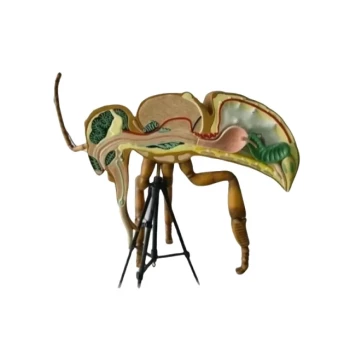
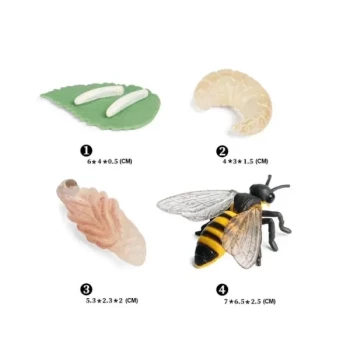
Sentinel honey bee colonies function as primary biological attraction devices designed to lure and detect Small Hive Beetles (SHB) in high-risk areas. Because a healthy, functioning colony is currently the only highly efficient source of attraction for adult SHB, these sentinel hives serve as the frontline for early warning systems. They leverage the natural biological characteristics of the bees to draw in pests, enabling rapid response to potential infestations.
The core value of a sentinel colony lies in its biological superiority over artificial lures. While diverse traps exist, a healthy queen and colony remain the most effective mechanism for attracting invasive beetles, making them indispensable for border surveillance and early detection.
The Mechanics of Biological Surveillance
Leveraging Natural Attraction
The effectiveness of the sentinel system is rooted in the specific behavior of the Small Hive Beetle. Currently, a healthy, functioning honey bee colony is the only known highly efficient source of attraction for these pests.
Strategic Placement for Early Warning
To maximize effectiveness, sentinel colonies are established in high-risk invasion areas, such as regional borders. By positioning these "biological magnets" at entry points, monitors can capture invasive pests early. This facilitates a rapid response before the infestation spreads to the broader apicultural landscape.
Standardization and Detection Methodology
The Role of Langstroth Hives
To ensure data is consistent and reliable, sentinel programs utilize Langstroth Hives. This equipment facilitates the standardization of experimental conditions across different monitoring sites.
Non-Destructive Monitoring
The movable frame design of the Langstroth Hive allows researchers to extract frames periodically without damaging the hive structure. This enables accurate counting of adult bees and measurement of larval surface areas. It ensures that the "sensor" (the colony) remains intact while providing continuous data.
Exploiting Beetle Behavior
Adult SHB naturally exhibit photophobic behavior, avoiding light and direct attacks from honey bees. They instinctively seek shelter in dark crevices, particularly within the hive bottom boards and top covers.
Targeted Visual Inspections
Because beetles hide in these specific anatomical areas, general hive inspections may miss them. Monitors must conduct targeted visual inspections of the bottom boards and inner covers. Focusing on these physical shelters significantly increases the probability of detecting the pest during routine examinations.
Understanding the Operational Trade-offs
Maintenance Requirements
Unlike passive mechanical traps, a sentinel colony is a living system that requires active upkeep. The primary reference notes that the colony must possess a healthy queen to function as an effective attractant. This implies a need for ongoing apiary management to maintain the biological "signal" strength.
Inspection Intensity
While effective, this method is not automated. It relies on the physical, manual inspection of hive components where beetles hide. The accuracy of the system is therefore dependent on the standardized use of equipment and the thoroughness of the visual checks in dark crevices.
Implementing an Effective Monitoring Strategy
To deploy sentinel colonies effectively, you must align your equipment and inspection protocols with the behavior of the pest.
- If your primary focus is maximum detection sensitivity: Prioritize the health of the queen and colony, as a robust biological signal is the single most efficient attractant for SHB.
- If your primary focus is data consistency: Mandate the use of Langstroth hives to ensure that population counts and infestation assessments are comparable across different monitoring events.
- If your primary focus is inspection efficiency: Direct all visual checks immediately to the hive bottom boards and top covers, where SHB are biologically predisposed to hide.
By combining the natural attraction of a healthy colony with standardized equipment, sentinel programs provide the definitive early warning system for Small Hive Beetle invasions.
Summary Table:
| Feature | Sentinel Colony Specification | SHB Detection Benefit |
|---|---|---|
| Primary Attractant | Healthy Queen & Robust Colony | Biological superiority over artificial lures |
| Standardized Gear | Langstroth Hives | Consistent data across regional monitoring sites |
| Target Inspection Areas | Bottom Boards & Top Covers | Exploits photophobic beetle behavior for detection |
| Primary Purpose | Strategic Border Surveillance | Provides early warning in high-risk invasion areas |
| Management Need | Active Hive Maintenance | Ensures continuous 'biological signal' for pests |
Secure Your Apiary with Professional-Grade Solutions
At HONESTBEE, we understand that effective pest monitoring requires more than just biological lures—it demands high-quality, standardized equipment. We cater to commercial apiaries and distributors by providing a comprehensive wholesale range designed for performance and scale.
Our portfolio includes everything from precision-manufactured Langstroth hives for sentinel programs to advanced hive-making and honey-filling machinery. Whether you need essential industry consumables or specialized hardware, we deliver the tools required to maintain healthy colonies and robust biosecurity.
Ready to scale your beekeeping operations? Contact us today to explore our wholesale offerings and discover how our expertise can protect your honey production and business growth.
References
- Rafael A. Calderón-Fallas, Paola Hernández-Ching. Strategies for detection and monitoring of the small hive beetle (Aethina tumida) in Africanized honeybee colonies in Costa Rica. DOI: 10.15359/rcv.42-1.2
This article is also based on technical information from HonestBee Knowledge Base .
Related Products
- Langstroth Honey Bee Box Hive Boxes for Different Depths
- HONESTBEE Anatomy Bee Model Detailed Anatomical Display for Education and Study
- Honey Bee Lifecycle Model: A Detailed Honeycomb Display of Bee Development
- Automatic Heat Preservation 6 Frame Pro Nuc Box for Honey Bee Queen Mating
- Honey Bee Life Cycle Model 4 Stage Educational Set for Kids Learning
People Also Ask
- What role do standardized Langstroth boxes play in commercial apiary management and honey bee research? | HONESTBEE Guide
- What are the differences between the three standard depths of Langstroth boxes? Choose the Best Size for Your Apiary
- What are the primary advantages of using standardized Langstroth boxes? Scale Your Commercial Beekeeping Operation
- What are the typical uses for the different box sizes in a Langstroth hive? Master Hive Management & Efficiency
- What features of Langstroth hive boxes contribute to expandability and honey yield? Maximize Your Apiary Production