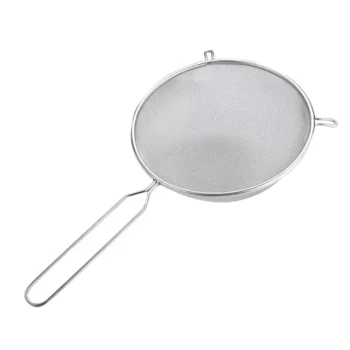
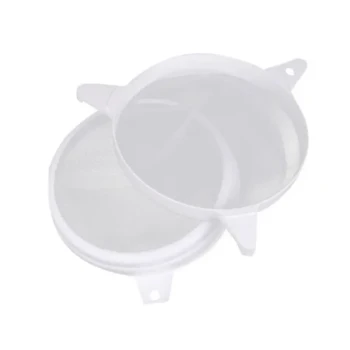
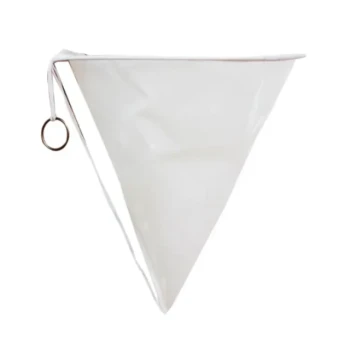
Specialized filtering bags act as the critical primary barrier in raw honey processing, designed to mechanically separate solid contaminants from the liquid nectar immediately after harvesting. Their fundamental purpose is to remove physical impurities—specifically beeswax, bee fragments, and environmental debris—to establish a hygienic baseline for all subsequent processing.
Core Takeaway Initial filtration is not just about aesthetics; it is an operational necessity that protects downstream equipment and ensures food safety compliance. By removing solid particulate matter early, you significantly improve the efficiency of moisture removal systems and stabilize the honey against premature crystallization.
The Mechanics of Initial Purification
Removing Physical Contaminants
The primary role of these bags is the interception of macroscopic debris. According to standard processing protocols, raw honey straight from the hive contains wax caps, bee parts, and soil particles that must be removed immediately.
Establishing Optical Clarity
Filtration serves to upgrade the visual quality of the product to meet consumer sensory standards. By utilizing high-precision media, processors can ensure the honey achieves high physical transparency, which is often associated with purity in the retail market.
Preparing for Physicochemical Analysis
This step creates a "clean baseline" for quality testing. Removing random organic matter ensures that subsequent laboratory tests accurately reflect the honey's chemical composition rather than the properties of suspended foreign debris.
Operational and Quality Benefits
Improving Drying Efficiency
Clean honey processes more effectively than contaminated honey. The removal of solids is explicitly linked to improving the efficiency of heat pump drying, ensuring moisture is removed consistently without particulate interference.
Ensuring Food Hygiene Compliance
Raw agricultural products must meet strict safety guidelines before reaching the consumer. Specialized filtering bags allow producers to meet food hygiene standards by eliminating potential biological and physical hazards found in the raw comb.
Extending Shelf Life
There is a chemical benefit to physical filtration. By removing fine particulate matter, you reduce the number of "nucleation sites" where sugar crystals can form. This effectively delays the crystallization process, extending the liquid shelf life and maintaining the product's market premium.
Understanding the Trade-offs
Flow Rate vs. Filtration Precision
A common pitfall is selecting a filter mesh that is too fine for the initial stage. While tighter meshes offer higher clarity, they can drastically reduce flow efficiency, creating bottlenecks during the harvesting rush.
Pollen Retention
Operators must balance clarity with nutritional value. Over-filtration at the initial stage runs the risk of removing too much pollen, which is a desirable component of raw honey. The goal is to remove large pollen clumps and debris, not microscopic pollen grains that verify botanical origin.
Making the Right Choice for Your Goal
To optimize your honey processing, align your filtration strategy with your end-product requirements:
- If your primary focus is Equipment Longevity: Prioritize removing abrasive debris (soil and sand) to protect pumps and drying systems from wear.
- If your primary focus is Market Presentation: Use high-precision filtering media to maximize transparency and delay crystallization for a longer shelf life.
- If your primary focus is "Raw" Certification: Ensure your mesh size allows natural pollen grains to pass through while still intercepting wax and insect fragments.
Effective filtration transforms a raw agricultural harvest into a safe, stable, and high-value food product.
Summary Table:
| Function | Key Benefit | Impact on Honey Quality |
|---|---|---|
| Physical Separation | Removes beeswax, bee fragments, and debris | Ensures a hygienic baseline and food safety |
| Optical Clarity | Increases transparency and visual appeal | Meets consumer sensory standards for premium pricing |
| Processing Efficiency | Protects downstream drying systems and pumps | Reduces maintenance and optimizes moisture removal |
| Crystallization Control | Removes nucleation sites (particulate matter) | Extends liquid shelf life and market stability |
| Quality Baseline | Standardizes honey for chemical analysis | Ensures accurate testing of chemical composition |
Elevate Your Honey Processing with HONESTBEE Solutions
Maximize the purity and market value of your harvest with professional-grade filtration and processing technology. HONESTBEE specializes in supporting commercial apiaries and distributors with a complete wholesale range of beekeeping tools, high-performance machinery, and essential consumables.
From specialized hardware and honey-filling machines to advanced filtration systems designed to protect your equipment and improve product clarity, we provide the industrial-strength solutions your business needs to scale. Our portfolio even includes honey-themed cultural merchandise to help you expand your brand reach.
Ready to optimize your production line?
Contact Us Today to Discuss Your Wholesale Requirements
References
- Mai Huỳnh Cang, Tai Huan Phan. Physico-chemical Properties and Biological Activity of Honey from Two Districts of Tien Giang Province, Vietnam. DOI: 10.14233/ajchem.2024.31217
This article is also based on technical information from HonestBee Knowledge Base .
Related Products
- Conical Nylon Honey Strainer Filter Bag for Beekeeping and Honey Filtration
- Professional Stainless Steel Honey Filtering Machine with Water Bath Heating for Beekeeping
- Automatic Honey Filling and Filtering Machine for Beekeeping Bottle Filling
- Professional Stainless Steel Honey Filter with Support Handle
- Electric Double Wall Honey Filtering Machine Purifier Equipment for Honey Processing Plant
People Also Ask
- What are the primary functions of using muslin cloth or stainless steel filters? Ensure Pure and Marketable Honey
- What are the benefits of using a honey strainer for beekeepers? Achieve Clean, High-Quality Honey Efficiently
- What is the primary function of a honey strainer in beekeeping? Achieve Commercial Purity & Visual Clarity
- What can I use to strain honey? A Beekeeper's Guide to Choosing the Right Filter
- Why is straining an essential step in honey processing? Master the Key to Pure, Market-Ready Honey Harvests