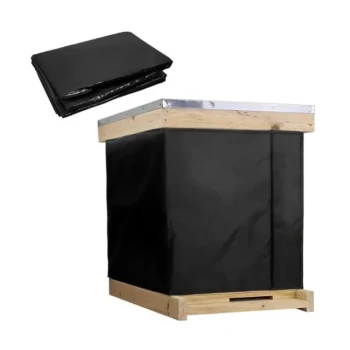
The primary function of applying tin covers or flexible vinyl wraps to industrial-grade wooden hives is to create a robust, dual-purpose barrier against moisture intrusion and thermal stress. These protective layers are essential for shielding the hive from rainwater, which leads to wood rot, and for reflecting intense solar radiation to prevent the colony's internal wax structures from melting.
While wooden hives provide necessary natural insulation, they are vulnerable to external weathering; utilizing protective covers is a critical engineering measure to preserve structural integrity and maintain a safe microclimate for the colony.
The Mechanics of Hive Protection
Preventing Structural Decay
Industrial wooden hives are susceptible to degradation when exposed to constant moisture. The application of waterproof vinyl or tin serves as the first line of defense against the elements.
By creating an impermeable shield, these materials prevent rainwater from penetrating the porous wood grain. This is vital for stopping the onset of wood rot, which compromises the physical stability of the hive and exposes the colony to pathogens.
Reflecting Solar Heat
Beyond moisture control, these covers play a critical role in thermal regulation in high-temperature environments. Tin covers, in particular, are effective at reflecting sunlight away from the hive rather than absorbing it.
This reflection minimizes the heat transfer into the hive's interior. Without this deflection, the internal temperature can spike dangerously, jeopardizing the health of the colony.
Protecting Internal Structures
The most critical asset inside a stingless bee hive is the cluster of wax honey pots. Unlike the wax combs of honeybees, these delicate pots are highly susceptible to deformation.
If the hive overheats due to direct sun exposure, these wax pots can melt or deform. Protective covers ensure the internal temperature remains below the melting point of the wax, securing the colony’s food stores and brood.
The Role of the Substrate
Enhancing Natural Insulation
Wood and bamboo are chosen for hives because they offer superior thermal insulation and breathability. They mimic the natural tree-hollow habitats where stingless bees thrive in the wild.
However, these materials function best when they remain dry. The external wrap protects the wood so that the wood can effectively insulate the bees, creating a symbiotic structural relationship.
Stabilizing Urban Microclimates
In space-constrained urban settings, hives are often exposed to greater environmental fluctuations than in dense forests. Specialized covers compensate for the lack of natural canopy shade.
This added layer of protection buffers the colony against rapid temperature spikes and heavy downpours, facilitating non-invasive observation and consistent honey production.
Understanding the Trade-offs
Managing Ventilation
While sealing a hive protects it from rain, it is crucial not to compromise the wood's natural breathability entirely. A wrap that is too tight or non-breathable could theoretically trap internal moisture if not designed correctly.
Material Durability
Vinyl and tin offer excellent immediate protection, but they interact with the environment differently. Tin is durable but can become hot to the touch, necessitating an air gap, while vinyl is flexible but may degrade faster under UV exposure.
Making the Right Choice for Your Goal
To ensure the longevity of your stingless bee colonies, select your protective materials based on your specific environmental challenges:
- If your primary focus is preventing structural failure: Prioritize heavy-duty, waterproof vinyl wraps to completely seal the wood against rain and prevent rot.
- If your primary focus is colony survival in hot climates: Utilize reflective tin covers to deflect solar radiation and prevent the catastrophic melting of internal wax honey pots.
The most effective hive design combines the natural insulating properties of wood with the rugged external defense of modern protective materials.
Summary Table:
| Protection Factor | Material Used | Primary Benefit |
|---|---|---|
| Moisture Control | Waterproof Vinyl | Prevents wood rot and structural decay |
| Thermal Regulation | Reflective Tin | Deflects solar heat to prevent wax melting |
| Structural Integrity | Wood Substrate | Provides natural insulation and breathability |
| Environment | Urban/Industrial | Buffers against rapid climate fluctuations |
Maximize Your Apiary Productivity with HONESTBEE
At HONESTBEE, we understand that protecting your colonies is the foundation of a successful beekeeping operation. As a premier provider for commercial apiaries and distributors, we offer a comprehensive wholesale range of industrial-grade beekeeping tools, hive-making machinery, and essential consumables designed to withstand the harshest environments.
Whether you need specialized honey-filling equipment or durable protective hardware to safeguard your stingless bee hives, our expert team is here to support your growth. Empower your business with high-quality supplies and expert engineering—contact us today to discuss your wholesale needs!
References
- Reza Ashari, Safrudin M. Abidin. The Best Practices of Stingless Bee Farming in Kapuas Hulu Regency, West Kalimantan Province, Indonesia. DOI: 10.1088/1755-1315/394/1/012051
This article is also based on technical information from HonestBee Knowledge Base .
Related Products
- Professional Insulated Winter Hive Wrap for Beekeeping
- Inner Beehive Cover for Beekeeping Bee Hive Inner Cover
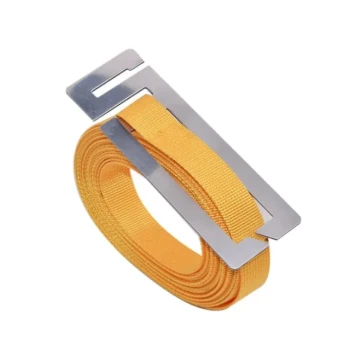
- Heavy-Duty Nylon Beehive Hive Strap with Stainless Steel Cinch Buckle
- High-Performance Langstroth Bee Hives for Global Professional Beekeeping
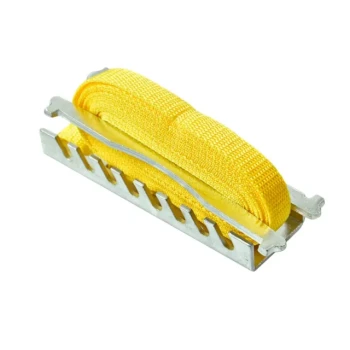
- Professional Galvanized Hive Strap with Secure Locking Buckle for Beekeeping
People Also Ask
- What are the steps to properly wrap a beehive for winter? Ensure Your Colony Survives the Cold
- When is the best time to wrap a beehive for winter? A Guide to Perfect Winterization Timing
- How do professional insulation wraps provide protection for bee colonies? Optimize Winter Survival & Energy Efficiency
- What are the technical benefits of using winter wraps for beehive insulation? Boost Colony Survival & Hive Health
- What are the benefits of using insulated covers for hives? Ensure Colony Survival and Health