Securing yield stability starts with pollination. The primary purpose of introducing managed beehives into kiwifruit cultivation is to ensure a reliable pollination stage, compensating for the decline in wild pollinator populations. Because kiwifruit is highly dependent on insect-driven pollination, this strategy is fundamental to achieving the high, stable crop yields necessary for consistent global supply chains.
Managed beehives transform pollination from a variable environmental risk into a controlled production asset. This strategic intervention ensures the high seed set rates and fruit quality that B2B distributors require for a reliable product portfolio.
Overcoming Pollination Bottlenecks
Mitigation of Wild Pollinator Decline
Natural ecosystems no longer provide the density of pollinators required for commercial-scale kiwifruit production. By introducing managed beehives, growers can bypass the unpredictability of local biodiversity and ensure that every flowering cycle is fully utilized.
Guaranteeing High and Stable Yields
Managed hives provide a reliable and efficient population of pollinators that are essential for the kiwifruit's seed set rate. Increased pollination density directly correlates to more uniform fruit size and higher total harvest volumes, which are critical for meeting large-scale wholesale demands.
Enhancing Fruit Quality and Marketability
In kiwifruit, the number of seeds—and thus the size and shape of the fruit—is heavily influenced by the quality of pollination. A robust bee population ensures a comprehensive cross-pollination process, resulting in a premium product that meets the strict aesthetic and weight standards of international resellers.
Strategic Value for the Global Supply Chain
Ensuring Product Consistency for Resellers
For distributors and wholesalers, managed pollination acts as a quality assurance mechanism at the source. It minimizes the risk of "light" harvest years, allowing for more accurate forecasting and more stable pricing for downstream partners.
Risk Management in Orchard Operations
Relying on managed hives is a core risk-mitigation strategy that addresses yield bottlenecks. By securing the pollination stage, producers can provide a more resilient supply chain, protecting B2B buyers from sudden shortages caused by environmental fluctuations.
Deep Professional Industry Expertise
The integration of specialized beekeeping practices, such as the use of insulated hives, demonstrates a commitment to technical excellence. These advanced hives help regulate internal temperatures, allowing bees to focus energy on foraging and pollination rather than colony maintenance, further optimizing the yield.
Understanding the Trade-offs
Management Intensity and Operational Costs
Maintaining managed beehives requires significant professional expertise and investment in hive health and placement. While this increases the cost of cultivation, it is a necessary expense to avoid the far greater cost of a failed or inconsistent harvest.
Dependence on Environmental Synergy
Even with managed hives, pollination success is still influenced by weather conditions that affect bee activity. Distributors should recognize that managed hives reduce risk significantly but do not entirely eliminate the impact of extreme climatic events on the foraging window.
Making the Right Choice for Your Sourcing Strategy
Choosing a sourcing partner who prioritizes managed pollination is vital for long-term business stability.
- If your primary focus is Supply Continuity: Prioritize producers who utilize managed hives to buffer against the volatility of wild pollinator populations and ensure year-over-year volume.
- If your primary focus is Premium Quality Control: Seek out partners who integrate scientific pollination management, as this directly results in the superior fruit size and uniformity your retail clients demand.
- If your primary focus is Supply Chain Transparency: Partner with experts who can demonstrate a comprehensive production portfolio, including managed pollination, to guarantee the reliability of your inventory.
Effective pollination management is the technical bedrock of a resilient and high-performing kiwifruit supply chain.
Summary Table:
| Key Benefit | Impact on Cultivation | Value for B2B Partners |
|---|---|---|
| Yield Stability | Compensates for wild pollinator decline | Guarantees reliable year-over-year supply |
| Quality Control | Increases seed set and fruit size | Ensures premium, marketable inventory |
| Risk Mitigation | Transforms pollination into a controlled asset | Stabilizes pricing and enables accurate forecasting |
| Technical Edge | Optimized with insulated hives/expertise | Higher efficiency and reduced colony maintenance |
Scale Your Commercial Pollination Success with HONESTBEE
For distributors and wholesalers serving the kiwifruit industry, HONESTBEE offers the technical bedrock for success. We provide a comprehensive full-spectrum portfolio, from specialized hive-making and honey-filling machinery to premium beekeeping consumables.
Why Partner with HONESTBEE?
- One-Stop Sourcing: Access everything from hardware to honey-themed cultural merchandise.
- Reliability: Benefit from ultra-fast delivery and efficient order fulfillment to keep your supply chain moving.
- Expert Support: Leverage our deep professional expertise and rapid response times to address your clients' specific needs.
Enhance your profit margins and supply reliability today. Contact HONESTBEE for Wholesale Solutions!
References
- Elie Abou Nader, Hatem Belhouchette. Linking Beekeepers’ and Farmers’ Preferences towards Pollination Services in Greek Kiwi Systems. DOI: 10.3390/ani13050806
This article is also based on technical information from HonestBee Knowledge Base .
Related Products
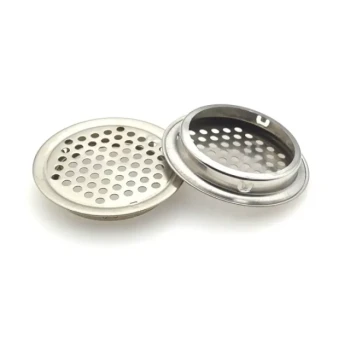
- Stainless Steel Round Beehive Air Vents for Ventilation
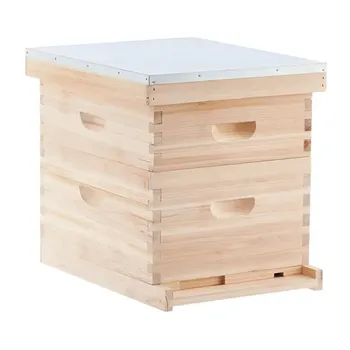
- Wholesales Dadant Size Wooden Bee Hives for Beekeeping
- Metal Hive Feet Bee Hive Stand for Ant Protection
- Metal Bee Hive Stand Bee Box Stand for Beekeeping
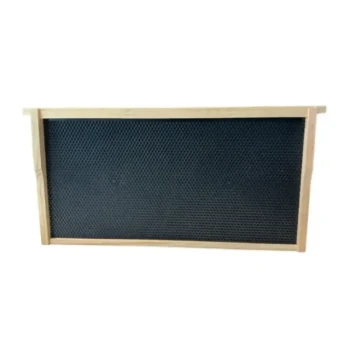
- Wooden Bee Hive Frames for Beekeeping and Wholesale
People Also Ask
- How does ventilation affect colony health, and how should it be managed seasonally? A Guide to Preventing Moisture & Overheating
- Why is proper ventilation important in a beehive? Prevent Mold, Regulate Temperature, and Boost Colony Health
- How can a beekeeper provide proper ventilation for a beehive throughout the year? Seasonal Strategies for Bee Health
- Why is good ventilation crucial when transporting beehives? Protect Your Colony from Lethal Overheating
- How can ventilation be added to a beehive without using an inner cover? Simple, Effective Solutions for Healthy Hives