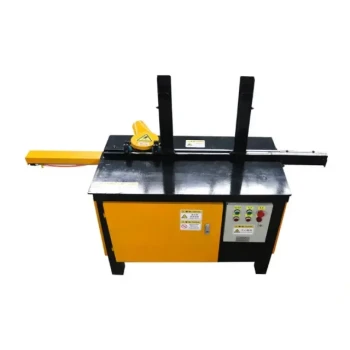
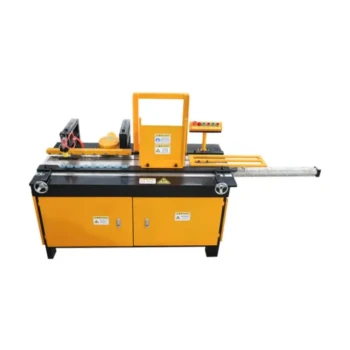
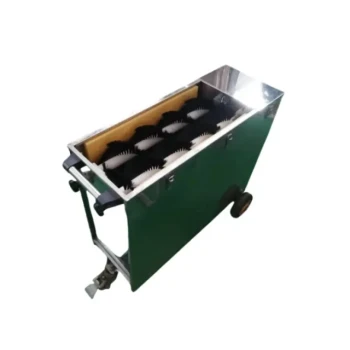
The primary purpose of using a grinding machine is to apply mechanical force to convert bee pollen and bee bread pellets into a fine powder. This physical transformation significantly increases the specific surface area of the sample, which is the fundamental prerequisite for efficient phenolic extraction.
Effective extraction relies on maximizing the contact area between the sample and the solvent. Pulverization breaks down the cellular matrix, allowing solvents to penetrate deeply and ensuring the chemical analysis accurately represents the sample's true composition.
The Mechanics of Sample Preparation
Increasing Specific Surface Area
In their natural state, bee pollen and bee bread exist as pellets or granules. To extract phenolic substances effectively, this physical structure must be altered.
Using a grinding machine reduces these particles to a fine powder. This drastic reduction in particle size exposes a much larger total surface area to the chemical environment.
Facilitating Solvent Penetration
The hard outer layers of pollen pellets can act as a barrier to liquids. Without pulverization, solvents may wash over the surface without reaching the internal compounds.
The fine powder created by the grinding process ensures that extraction solvents can fully penetrate the cellular matrix. This deep access is necessary to dissolve the target bioactive compounds located inside the cell structures.
Improving Release Efficiency
Once the solvent has penetrated the matrix, the bioactive components must be released into the solution.
By increasing surface contact, the grinding process directly improves the release efficiency of these components. This ensures that the yield of phenolic substances is maximized rather than remaining trapped within the waste solids.
Guaranteeing Sample Representativeness
Chemical analysis requires a sample that truthfully reflects the composition of the entire batch.
Pulverization homogenizes the material, eliminating inconsistencies found in whole pellets. This guarantees the representativeness of subsequent chemical analyses, providing data you can trust.
Understanding the Trade-offs
The Cost of Incomplete Processing
While preserving the "physical integrity" of pollen is vital during collection (as achieved by pollen traps), maintaining that integrity during extraction is a mistake.
If the grinding process is skipped or performed poorly, the specific surface area will remain low. This leads to incomplete solvent penetration, resulting in artificially low extraction yields and skewed analytical data that fails to capture the full biochemical profile of the sample.
Making the Right Choice for Your Goal
To ensure your extraction process yields valid scientific results, consider your specific objectives:
- If your primary focus is Maximum Yield: Ensure the grinding process produces the finest possible powder to maximize surface area and optimize the release efficiency of bioactive components.
- If your primary focus is Data Accuracy: Prioritize consistent, uniform pulverization to guarantee that the solvent penetrates the cellular matrix deeply, ensuring your analysis is truly representative of the sample.
The quality of your chemical data is directly proportional to the quality of your physical sample preparation.
Summary Table:
| Factor | Impact of Grinding | Benefit to Extraction |
|---|---|---|
| Physical State | Pellet to fine powder | Increases specific surface area significantly |
| Solvent Access | Breaks cellular matrix | Enables deep penetration into bioactive compounds |
| Yield Rate | Enhanced release efficiency | Maximizes recovery of phenolic substances |
| Data Quality | Material homogenization | Ensures sample representativeness & accuracy |
Elevate Your Apiary Production with HONESTBEE
Maximize the value of your harvest with professional-grade processing solutions. HONESTBEE provides commercial apiaries and distributors with the industry's most reliable beekeeping tools, machinery, and essential consumables.
From high-efficiency grinding and pulverizing machines to specialized honey-filling equipment and hive-making hardware, our comprehensive wholesale offering is designed to scale your operations and improve product quality. Whether you are expanding your processing line or sourcing cultural merchandise, we deliver the expertise you need to succeed.
Ready to optimize your yield? Contact us today to explore our full machinery catalog!
References
- Nesrin Ecem Bayram, Aslı Özkök. Phenolic and free amino acid profiles of bee bread and bee pollen with the same botanical origin – similarities and differences. DOI: 10.1016/j.arabjc.2021.103004
This article is also based on technical information from HonestBee Knowledge Base .
Related Products
- High Performance Cordless Electric Bee Shaker for Beekeeping
- Heavy-Duty Ergonomic Grip Galvanized Pollen Shovel
- HONESTBEE Bee Frame Grooving Machine | Precision Slotting for Bee Frame Making
- Frame Punching Hole Puncher Machine for Bee Frame Producing Line
- Stainless Steel Pollen Shovel with Wooden Handle
People Also Ask
- Why is the use of a bee shaker and alcohol wash necessary? Master Accurate Varroa Mite Monitoring
- What role do efficient auxiliary tools play in managing labor resources? Maximize Apiary Output & Labor Efficiency
- What should be done with the bee sample after conducting a varroa mite count with a shaker? Post-Test Care Guide
- What is an electric bee smoker? A Guide to Automated Hive Management
- What is the function of a high-performance bee smoker in commercial apiary management? Maximize Safety & Efficiency