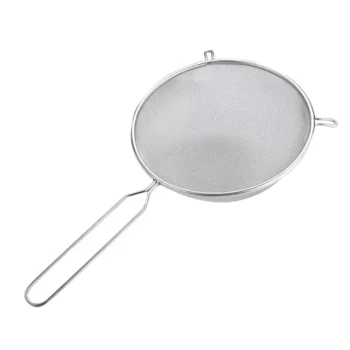
The primary purpose of using sieve cloth during honey extraction is to mechanically separate liquid honey from solid beeswax and debris. Specifically utilized in the "cut comb" method, this cloth serves as a porous barrier that allows viscous honey to flow through while retaining wax residue and impurities. This process ensures the final product is clear, high-purity honey free from physical contaminants.
Sieve cloth acts as the essential filtration medium in the cut comb method, transforming a raw mixture of wax and nectar into a consumable product. By combining a fine pore structure with compression or gravity, it effectively isolates liquid honey from solid residues.
The Mechanics of Honey Filtration
Addressing the Cut Comb Mixture
In the cut comb method of honey collection, the harvest does not consist of liquid honey alone. Instead, it involves a raw mixture containing both the liquid product and the solid honeycomb structure. The sieve cloth is the primary tool used to manage this composite material.
Separation via Pore Structure
The efficacy of the sieve cloth lies in its fine pore structure. These pores are engineered to be large enough to allow liquid honey to pass through. Simultaneously, they are small enough to block large particles, specifically beeswax residue and other physical impurities.
The Role of Pressure and Gravity
Filtration is rarely a passive process when dealing with a substance as viscous as honey. The separation process is assisted by gravity or active pressure. This force compresses the mixture against the cloth, pushing the liquid through the mesh while compacting the solids.
Operational Considerations and Constraints
Balancing Purity with Viscosity
While sieve cloth is effective, the filtration process is physically constrained by the viscosity of the honey and the size of the mesh pores. A cloth with a very fine structure offers higher purity by trapping smaller particles. However, this restricts flow, often necessitating the application of external pressure or compression to complete the process efficiently.
Optimizing Your Extraction Process
To achieve the best results with sieve cloth, consider your specific production goals:
- If your primary focus is product clarity: Utilize a cloth with a finer pore structure to maximize the removal of microscopic wax residue and impurities.
- If your primary focus is processing speed: Apply consistent compression or pressure to the mixture to assist gravity and accelerate the flow of honey through the filter.
Correctly applying sieve cloth transforms a raw, waxy harvest into the clear, pure honey consumers expect.
Summary Table:
| Feature | Description |
|---|---|
| Primary Function | Mechanical separation of liquid honey from solid beeswax and debris |
| Mechanism | Porous barrier filtration combined with gravity or active pressure |
| Core Application | Cut comb method and raw honey processing |
| Key Outcome | Clear, high-purity honey free from physical contaminants |
| Efficiency Factors | Pore size, honey viscosity, and applied compression |
Elevate Your Honey Production with HONESTBEE
Maximize your apiary's efficiency and product clarity with professional-grade filtration solutions. HONESTBEE specializes in supporting commercial apiaries and distributors with a comprehensive wholesale range of beekeeping tools, advanced machinery, and essential consumables.
From high-performance honey-filling machines and hive-making hardware to specialized filtration equipment and honey-themed merchandise, we provide the tools you need to scale your operations.
Ready to optimize your harvest? Contact us today to discover how our premium equipment can enhance your honey quality and streamline your workflow.
References
- T. I. Aneni, O. O. Adeoye. Proximate Analysis of Honey Samples: NIFOR Apiary and Open Market. DOI: 10.26855/ijfsa.2023.03.006
This article is also based on technical information from HonestBee Knowledge Base .
Related Products
- Nylon Honey Strainer Square Filter Cloth for Honey Filters
- Stainless Steel Beekeeping Honey Extractor Lid
- Stainless Steel Double Layer Honey Strainer Sieve Filters
- Professional Stainless Steel Honey Filter with Support Handle
- Stainless Steel Triangle Support Honey Strainer and Filters
People Also Ask
- What is the significance of using professional filter cloths or sieves in honey processing? Ensure Purity and Quality
- What is the simple straining method for processing honey? A Cost-Effective Guide to Pure Extraction
- What cloth for straining honey? The Best Materials for Clean, High-Quality Honey
- What size mesh to strain honey? A Guide to the Standard Double-Sieve Method
- Why is specialized filter cloth preferred over the traditional squeezing method for wild honey? Achieve Higher Purity