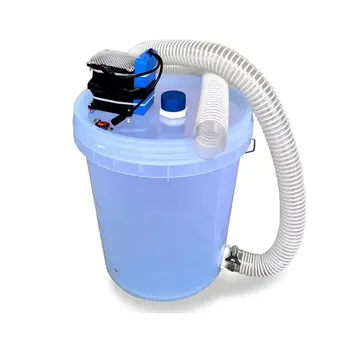
The primary purpose of vacuum concentration equipment is to remove solvents like methanol without subjecting the sample to destructive high temperatures. By creating a low-pressure environment, the equipment allows solvents to boil and evaporate at significantly lower temperatures than usual. This process concentrates target analytes to detectable levels while simultaneously preventing the oxidation or decomposition of heat-sensitive components.
The core value of vacuum concentration is that it decouples evaporation from high heat. It allows you to concentrate dilute samples to meet detection limits without chemically altering the fragile phenolic substances you intend to measure.
The Core Challenge: Heat Sensitivity
Avoiding Thermal Degradation
Standard evaporation methods rely on heat to remove solvents, which poses a significant risk to biological samples. Honey and royal jelly contain phenolic substances that are highly sensitive to elevated temperatures.
Using vacuum equipment lowers the boiling point of solvents like methanol. This ensures the solvent is removed efficiently without exposing the sample to the heat levels that cause decomposition.
Preventing Oxidation
Beyond simple breakdown, heat accelerates chemical reactions with oxygen. If exposed to high temperatures during solvent removal, delicate components in royal jelly can oxidize.
Vacuum concentration mitigates this by removing the air (oxygen) and keeping the temperature low. This preserves the natural biological activity and chemical structure of the sample.
The Analytical Advantage
Reaching Detection Limits
In many analysis protocols, the target analytes—such as p-coumaric acid—are present in elution liquids at very low concentrations. These concentrations are often below the threshold of standard detection instruments.
Vacuum concentration reduces the volume of the solvent, thereby increasing the concentration of the analyte. This step is critical for bringing the sample within the detectable range of your instruments.
Ensuring Quantitative Accuracy
The ultimate goal of this analysis is precise measurement. If the concentration process degrades the sample, the final quantitative data will be skewed.
By preserving the integrity of heat-sensitive phenolics, vacuum concentration ensures that the amount of substance detected reflects the true composition of the original product, not a degraded byproduct.
Understanding the Trade-offs
The Risk of Standard Evaporation
It is a common pitfall to assume that standard heating methods are sufficient for solvent removal. However, attempting to remove methanol at standard atmospheric pressure requires temperatures that will almost certainly degrade bio-active compounds.
Balancing Pressure and Temperature
While vacuum concentration protects the sample, it requires precise control. The equipment must maintain a stable vacuum to ensure consistent evaporation rates.
Failure to lower the pressure sufficiently results in slower evaporation or necessitates raising the temperature, which defeats the purpose of the equipment.
Making the Right Choice for Your Goal
To ensure the validity of your royal jelly and honey analysis, apply these principles based on your specific analytical needs:
- If your primary focus is Sensitivity: Use vacuum concentration to reduce solvent volume significantly, raising the concentration of trace analytes like p-coumaric acid above the detection limit.
- If your primary focus is Accuracy: Prioritize the low-temperature capabilities of the vacuum system to prevent the oxidation of phenolics, ensuring your data reflects the sample's true chemical profile.
By controlling pressure to manage temperature, you ensure that your concentration step enhances your analysis rather than compromising it.
Summary Table:
| Feature | Vacuum Concentration | Standard Heat Evaporation |
|---|---|---|
| Temperature | Low (Solvent boils at lower temp) | High (Requires atmospheric boiling point) |
| Sample Integrity | High preservation of bio-active phenolics | High risk of thermal degradation |
| Oxidation Risk | Minimal (Oxygen is removed) | High (Heat accelerates chemical reactions) |
| Analytical Goal | Concentrates analytes for detection | Risks skewing quantitative accuracy |
Elevate Your Beekeeping Operation with HONESTBEE Professional Equipment
At HONESTBEE, we understand that maintaining the chemical integrity of your honey and royal jelly is crucial for quality assurance and market value. As a leading partner for commercial apiaries and distributors, we provide the advanced tools you need to excel.
Our Value to You:
- Precision Machinery: From honey-filling machines to industrial-grade vacuum concentration tools, we ensure your products meet the highest industry standards.
- Comprehensive Wholesale Catalog: We supply a full spectrum of beekeeping hardware, essential consumables, and specialized hive-making equipment.
- Cultural & Retail Support: Beyond the hive, we offer honey-themed cultural merchandise to help you expand your brand presence.
Ready to scale your production and ensure the highest analytical purity for your honey products? Contact us today to discuss your wholesale equipment needs and see how our expertise can grow your business.
References
- Petra Urajová, Václav Krištůfek. Propolis as a Key Source of p-Coumaric Acid Permeating Honey and Sucrose Syrup Stores of Honey Bees. DOI: 10.3390/insects16111159
This article is also based on technical information from HonestBee Knowledge Base .
Related Products
- Honey Concentrating Vacuum Heating Thickening Machine Dehumidifier for Honey
- Honey Concentrating and Filtering Dehumidifier Machine 2T Capacity for Honey
- Portable Electric Bee Vacuum with Lithium Battery and 20L Collection Bucket
- 0.5T Capacity Honey Dehumidifier Dryer with Vacuum Heating and Thickening Filtering Machine
People Also Ask
- What are the advantages of using a honey concentrator machine in apiculture? Boost Quality & Shelf Life
- What should be observed during the feeding process of the honey concentrator? Master Honey Processing Efficiency
- What are the benefits of a honey concentrator? Elevate Your Honey Quality and Market Value
- What maintenance should be performed when the honey concentrating equipment is not in use? Key Safety & Care Tips
- What electrical safety precaution is necessary when operating the honey concentrating equipment? Essential Grounding Tips