The absolute primary safety precaution when melting beeswax is to never leave it unattended.
Because beeswax has a flash point of approximately 400°F, it can spontaneously ignite if the temperature climbs too high. You must maintain constant vigilance to ensure the wax melts gently without approaching this dangerous threshold.
Core Takeaway Beeswax behaves similarly to grease; it is highly flammable and can cause severe fires if overheated. The most effective safety measure is continuous supervision combined with temperature control to ensure the wax never reaches its flash point.
Understanding the Thermal Risks
The Critical Thresholds
You are managing two distinct temperatures. Beeswax has a melting point of approximately 147°F, which is your target.
However, the danger lies at the flash point, which occurs around 400°F. Once the wax reaches this temperature, it can burst into flames.
The Speed of Heating
The gap between melting and burning may seem large, but wax can overheat rapidly once it liquifies. Without supervision, a pot of wax can transition from a liquid state to a fire hazard in a very short window of time.
Proper Melting Techniques
The Double Boiler Standard
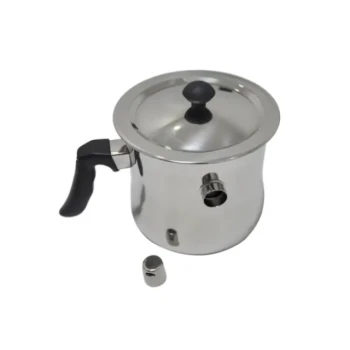
To mitigate fire risk, you should always use a double boiler (or a water bath). This method uses the boiling water to heat the wax container, effectively capping the temperature around 212°F.
This physical barrier makes it nearly impossible for the wax to reach the 400°F flash point, provided the water does not boil away.
Selecting the Right Heat Source
An electric burner or hot plate is significantly safer than a gas stove. Open flames present a direct ignition source for wax vapors or accidental spills.
Avoid using a microwave. Microwaves heat unevenly and offer no temperature control, leading to high risks of localized overheating, messy explosions, and fire.
Personal Protection and Environment
Protective Gear (PPE)
Always wear long-sleeved shirts, gloves, and safety goggles. Hot wax is sticky and retains heat; if it splashes onto skin, it causes deep, painful burns immediately.
Workspace Safety
Ensure your area is well-ventilated to avoid inhaling concentrated wax fumes. Keep cool running water nearby to treat accidental burns immediately.
Common Pitfalls to Avoid
The Water Hazard
Never add water to a pot of already melted, hot wax. If water is introduced to superheated wax, it can boil instantly, causing the hot wax to erupt violently from the container.
Overheating and Quality Loss
Beyond the risk of fire, overheating damages the beeswax itself. Temperatures rising significantly above the melting point (147°F) can darken the wax's color and destroy its natural, sweet aroma.
Making the Right Choice for Your Project
To ensure a safe and successful melting process, align your method with your specific goals:
- If your primary focus is safety and temperature control: Use a double boiler on an electric burner to mechanically prevent the wax from reaching ignition temperatures.
- If your primary focus is product quality: Monitor the temperature closely to keep it just above 147°F, preserving the natural scent and golden color.
- If your primary focus is processing bulk wax: Break large blocks into smaller chunks with a hammer while cold to speed up the melting process and reduce total heat exposure.
Treat beeswax with the same respect you would give to deep-frying oil: keep eyes on it at all times, and control the heat.
Summary Table:
| Safety Element | Key Specification | Importance |
|---|---|---|
| Melting Point | Approx. 147°F (64°C) | Target temperature for processing. |
| Flash Point | Approx. 400°F (204°C) | Point of spontaneous ignition; avoid at all costs. |
| Best Method | Double Boiler | Physically limits heat to 212°F to prevent fires. |
| Heat Source | Electric Hot Plate | Safer than open flames; reduces vapor ignition risk. |
| PPE | Long sleeves, gloves, goggles | Prevents severe burns from sticky, hot wax splashes. |
Scale Your Beeswax Production Safely with HONESTBEE
At HONESTBEE, we understand that commercial success in beekeeping requires both efficiency and safety. Whether you are a large-scale commercial apiary or a global distributor, we provide the industrial-grade machinery and high-quality consumables needed to process beeswax and honey at scale.
Our specialized portfolio includes:
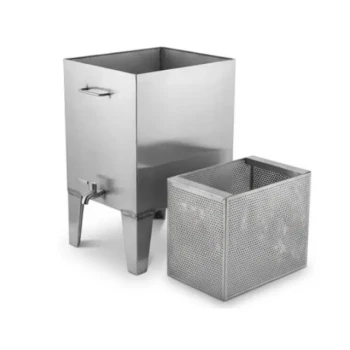
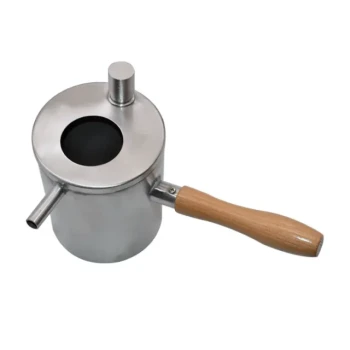
- Advanced Wax Melting & Processing Equipment: Engineered for precise temperature control and maximum safety.
- Commercial Honey-Filling & Hive-Making Machines: Streamline your production line with durable hardware.
- Comprehensive Wholesale Supplies: From beekeeping tools to unique honey-themed cultural merchandise.
Ready to elevate your beekeeping business? Our experts are here to help you select the right equipment to ensure safety and product quality. Contact us today to discuss your wholesale needs!
Related Products
- Beeswax Machine Press Embosser Wax Foundation Mold Printer Bee Hive Equipment Making Sheet
- Beeswax Foundation Sheets Beehive Foundation for Wholesale
- Colorful Silicone Beeswax Foundation Mold Mould for Beekeeping
- Economy Manual Beeswax Embossing Mill Wax Foundation Machine Roller
- Electric Beeswax Flat Sheet Machine with Operating Tray for Wax Processing
People Also Ask
- What equipment is needed to make beeswax foundation? A Guide to DIY Wax Sheet Production
- What miscellaneous equipment is needed for making foundation? A Guide to the Essential Tools
- What miscellaneous equipment is useful when making beeswax foundation? Essential Support Tools for Beekeepers
- What specific equipment is required for making beeswax foundation? Essential Tools for High-Quality Production
- What is the recommended temperature for melting beeswax to make foundation sheets? Master the 70°C-80°C Ideal Range