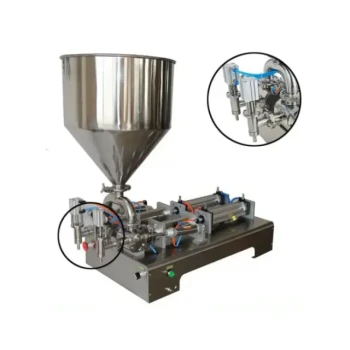
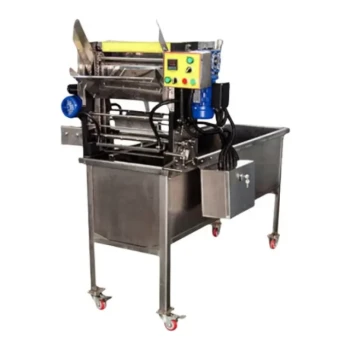
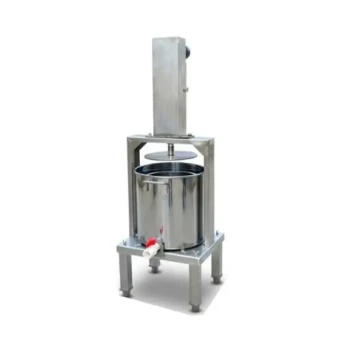
The primary value of automated honey-filling machines lies in precise operational control and hygiene standardization. By utilizing high-precision flow control, these systems ensure consistent product weight for every unit, drastically minimizing spill-related waste. Simultaneously, the enclosed nature of the process elevates hygiene standards, effectively eliminating the contamination risks inherent in manual handling and ensuring strict food safety compliance.
Core Takeaway Beyond simple speed, automated filling acts as the critical bridge between raw agricultural output and high-value retail products. It transforms operation capability by enforcing the strict hygiene, weight consistency, and standardization required to enter commercial and export markets.
Enhancing Operational Efficiency through Precision
Eliminating Product Loss
In manual processing, overfilling and spills are common sources of revenue loss. Automated machines utilize advanced flow control to meter the exact amount of honey required for each jar.
This precision maximizes the yield from bulk supplies. By reducing waste, commercial apiaries can process more units per batch of raw material.
Consistency as a Quality Standard
Consumers and retailers demand uniformity. Automation ensures that every jar is filled to the exact same level and weight.
This consistency is vital for brand reputation. It signals professional reliability and prevents consumer complaints regarding underfilled products.
Elevating Hygiene and Food Safety Standards
The Closed-Loop Advantage
Manual handling is the primary vector for introducing pathogens or foreign particles into food products. Automated fillers operate as enclosed systems.
This design prevents secondary contamination. It ensures the honey remains in a sanitary environment from the storage tank to the sealed jar.
Meeting Regulatory Requirements
Food safety compliance is non-negotiable for commercial growth. Regulatory bodies require strict adherence to hygiene protocols.
Automated systems standardize the filling process. This makes it easier to pass inspections and meet the certification requirements necessary for selling in major grocery chains or international markets.
Transforming Bulk Commodities into Retail Brands
From Wholesale to Shelf-Ready
Automation enables the transition from selling bulk raw honey to offering high-value retail goods. The machinery supports professional sealing and aesthetic standardization.
This capability allows producers to move away from low-margin wholesale. Instead, they can enter the differentiated retail market with a polished, shelf-ready brand.
Expanding Market Access
Standardized packaging is a prerequisite for export. Machines ensure that sealing is secure enough to prevent fermentation or leakage during transport.
This reliability extends the product's shelf life. It opens doors to high-end domestic and international markets that demand long-term stability and quality assurance.
Understanding the Trade-offs
Managing Viscosity Variations
Honey is not a uniform liquid; its thickness varies by floral source (e.g., acacia vs. multi-flower) and temperature.
Operators must carefully calibrate machines for these variables. Failure to adjust settings for different viscosities can lead to inaccurate fills or equipment blockages.
Thermal Sensitivity Risks
To facilitate flow, some systems may use heat. However, honey is sensitive to high temperatures, which can damage its enzymes and chemical properties.
It is critical to balance flow speed with temperature control. The goal is to maintain efficiency without degrading the natural quality that makes the product valuable.
Making the Right Choice for Your Goal
When integrating automation into your processing line, consider your specific strategic objectives:
- If your primary focus is food safety compliance: Prioritize systems with fully enclosed filling cycles and "clean-in-place" capabilities to eliminate human contact and contamination risks.
- If your primary focus is maximizing yield: Focus on machines with the highest-rated flow control calibration to strictly eliminate overfilling and spill-related product loss.
- If your primary focus is brand expansion: Leverage automation that supports diverse container types and professional sealing to transition your inventory from bulk commodity to high-value retail.
Ultimately, automating the filling process is not just an operational upgrade, but a strategic necessity for apiaries aiming to scale into regulated, commercial marketplaces.
Summary Table:
| Key Value Driver | Primary Benefit | Operational Impact |
|---|---|---|
| Precision Control | Eliminates overfilling and spill-related waste | Maximizes yield from bulk honey supplies |
| Hygiene Standards | Enclosed systems prevent secondary contamination | Ensures strict food safety and export compliance |
| Consistency | Uniform weight and fill levels across all units | Strengthens brand reputation and reliability |
| Market Readiness | Professional sealing and standardized packaging | Enables transition from wholesale to high-margin retail |
Scale Your Apiary Operations with HONESTBEE
Transitioning from bulk commodity to a premium retail brand requires the right technology. HONESTBEE provides the specialized hardware and industrial expertise necessary for commercial apiaries and distributors to thrive. From high-precision honey-filling machines to full-scale hive-making equipment, we supply the tools that ensure your products meet global standards for hygiene and consistency.
Why partner with HONESTBEE?
- Comprehensive Wholesale Range: Access a full spectrum of beekeeping tools, machinery, and essential consumables.
- Industry Expertise: Enhance your operational efficiency with equipment designed for professional-grade standardization.
- Growth-Focused Solutions: We cater specifically to the needs of large-scale distributors and commercial beekeeping businesses.
Ready to elevate your production and expand your market reach?
Contact HONESTBEE Today to explore our comprehensive wholesale offerings and machinery solutions.
References
- Kit Prendergast, Philip W. Bateman. The evidence for and against competition between the European honeybee and Australian native bees. DOI: 10.1071/pc21064
This article is also based on technical information from HonestBee Knowledge Base .
Related Products
- Fully Automatic Honey Filling Packaging Machine for Processing Line
- Automatic Honey Filling and Filtering Machine for Beekeeping Bottle Filling
- Precision Durable Efficient HONESTBEE Rotary Honey Filling Machine
- Semi Automatic Small Honey Bottle Filling Machine Honey Filler
- Precision Automated Packaging Turntable Honey Spoon Filling Sealing Packing Machine
People Also Ask
- Why are fully automatic honey filling and packaging lines essential? Boost Your Honey's Market Value and Quality
- What is a fully-automatic honey filler? Streamline Your Production with High-Precision Automation
- How do automated honey filling and packaging machines affect profitability? Boost Margins with HONESTBEE Technology
- How do automated honey filling and packaging machines contribute to the market value of honey products? Maximize Your ROI
- How do industrial-grade automated honey filling and packaging machines mitigate the risk of physical contamination?