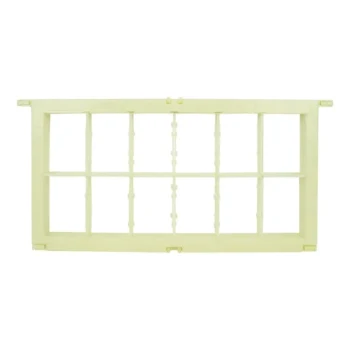
Confining a queen in a comb box is a precise procedure used to synchronize egg-laying for queen rearing, ensuring you have larvae of the exact right age for grafting. The process begins five days before your planned larvae transfer by manually placing the queen into the box through a central access port.
Core Takeaway Ideally, this procedure is about timing and resource management, not just confinement. You are temporarily restricting the queen to force egg production in specific cell plugs, while simultaneously manipulating the hive environment to prevent the bees from removing those eggs.
Preparation and Confinement
Setting the Timeline
Timing is the most critical factor in this operation. You must initiate the confinement procedure exactly five days before you intend to transfer the larvae.
Initial Setup
Before confining the queen, ensure the frame and comb box are already placed within the colony of your selected breeder queen. This allows the colony to accept the equipment as part of the hive structure.
Inserting the Queen
To confine the queen, locate the front plastic excluder on the comb box. Remove the central plug from this excluder to create an opening.
Securing the Box
Gently guide the breeder queen inside the box through the hole you created. Once she is inside, immediately replace the plug to secure her within the unit.
Protecting the Eggs
This step is vital for success: you must place frames containing existing eggs on both sides of the comb box frame. If you neglect this, the worker bees may attempt to move the new eggs out of the comb box.
Monitoring and Release
The 12-Hour Window
You cannot simply leave the queen indefinitely. Return to the hive to check the frame after 10 to 12 hours.
Verifying Success
During this window, the bees should have cleaned out any stored honey, and the queen should have filled the cell plugs with fresh eggs. Verify that eggs are present before proceeding.
Releasing the Queen
Once eggs are confirmed, do not force the queen back through the small plug hole. Instead, pry off the entire front queen excluder. Allow the queen to walk out naturally onto an adjacent frame.
Restoring the Hive
After the queen has exited, replace the queen excluder on the box. Immediately return the complete frame to the center of the brood nest to ensure the eggs are kept warm and properly incubated.
Common Pitfalls to Avoid
Avoiding Queen Stress
Do not leave the queen confined longer than necessary. Prolonged confinement can stress the queen and the colony; release her as soon as the target cell plugs are filled.
Preventing Egg Neglect
Failing to return the frame to the center of the brood nest is a critical error. The eggs require the consistent temperature and attention found only in the core of the nest to develop into healthy larvae.
Making the Right Choice for Your Goal
To ensure the best results for your specific breeding goals:
- If your primary focus is Grafting Precision: Strictly adhere to the five-day pre-transfer schedule to guarantee larvae are at the optimal age for acceptance.
- If your primary focus is Egg Survival: Double-check that the comb box is sandwiched between two frames of existing eggs to prevent the workers from rejecting or moving the new eggs.
By rigorously following this timeline and placement strategy, you convert a biological variable into a controlled, predictable outcome for your apiary.
Summary Table:
| Step | Action | Timing / Detail |
|---|---|---|
| Preparation | Insert comb box into breeder colony | Prior to confinement |
| Confinement | Place queen through central port & plug | Day 0 (5 days before grafting) |
| Protection | Sandwich frame between existing egg frames | During confinement |
| Monitoring | Check cell plugs for eggs | 10–12 hours later |
| Release | Pry off excluder for natural exit | After eggs are confirmed |
| Incubation | Return frame to center of brood nest | Immediately after release |
Maximize Your Apiary's Potential with HONESTBEE
Precision in queen rearing starts with the right equipment. At HONESTBEE, we specialize in empowering commercial apiaries and distributors with professional-grade beekeeping solutions. Whether you need specialized comb boxes and grafting tools, high-capacity honey-filling machines, or durable hive-making machinery, our comprehensive wholesale portfolio is designed to scale your operations.
We provide the full spectrum of essential industry consumables and hardware to ensure your breeding programs are predictable and profitable. Contact us today to discuss how our bulk supply and technical expertise can support your growth in the beekeeping industry.
Related Products
- Plastic Honey Comb Frames Cassette Box for Honey
- Professional Sectional Comb Honey Frame with 250g Cassette System for Beekeeping
- Heart-Shaped Comb Honey Frame and Honeycomb Cassette
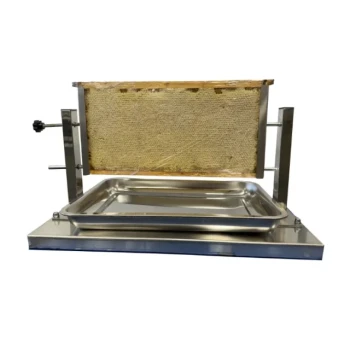
- Professional Adjustable Stainless Steel Honeycomb Display Stand
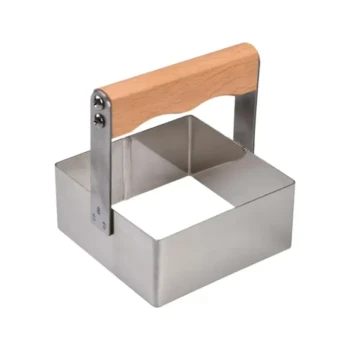
- Heavy Duty Stainless Steel Honeycomb Cutter
People Also Ask
- How are honeybee combs utilized for non-destructive colony monitoring? Master Population Density Tracking
- What is the significance of sampling honeycomb frames and hive bottoms? A Guide to Scientific Sanitation Monitoring
- What is a honeycomb frame? The Key to Modern, Sustainable Beekeeping
- What is the technical purpose of exchanging honeycomb frames? Master Apiary Equalization for Growth
- What frame to use for honeycomb? Choose the Right System for Pure, Edible Comb