To requeen a bee colony, you must follow a strict timeline of removal and replacement. The procedure begins by locating, killing, and discarding the existing queen. You must then leave the colony entirely queenless for a waiting period of 24 hours before introducing the new queen inside her protective cage.
Successful requeening relies on the "queenless window"—a critical 24-hour period that allows the old queen's presence to fade. Skipping this step often leads to the colony rejecting or attacking the new monarch.
The Requeening Procedure
This process is designed to transition the colony's loyalty from the old matriarch to the new one with minimal disruption.
Locating the Old Queen
The first step is often the most difficult: you must find the current queen among thousands of workers. Once identified, she must be killed and discarded. Ensure she is removed completely from the apiary so her pheromones do not linger near the hive.
The 24-Hour Wait
Do not introduce the new queen immediately. The colony must be left queenless for exactly 24 hours. This waiting period allows the pheromones of the old queen to dissipate, signaling to the workers that they are truly queenless and in need of a replacement.
Introducing the Replacement
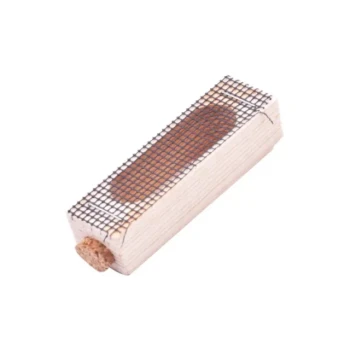
After the 24-hour period has passed, you may introduce the new queen. She should be placed into the hive while still inside her cage. This protects her from initial aggression while the workers acclimate to her specific scent.
Why Annual Requeening Matters
While the procedure requires care, the benefits of introducing a young queen are substantial for the long-term viability of the hive.
Increased Egg Production
Young queens are biologically more capable than their predecessors. They are more prolific egg-layers, which ensures a higher population of worker bees to sustain the colony.
Enhanced Pheromone Levels
Younger queens secrete significantly higher levels of pheromones. These chemical signals are the glue that holds the colony's social structure together.
Disease and Swarm Suppression
The robust pheromones of a new queen do more than just signal presence. They actively stimulate worker bees to forage, suppress the natural urge to swarm, and help suppress disease outbreaks within the hive.
Understanding the Risks
Timing is the most critical variable in this operation.
The Danger of Rushing
If the new queen is introduced before the 24-hour window closes, the workers may still sense the old queen's pheromones. This often results in the colony identifying the new queen as an intruder and killing her.
The Danger of Waiting Too Long
Conversely, leaving the colony queenless for significantly longer than 24 hours can cause panic. The workers may attempt to raise their own emergency queen from existing larvae, complicating the acceptance of the queen you purchased.
Making the Right Choice for Your Goals
Requeening is a management tool that should be aligned with your specific objectives for the apiary.
- If your primary focus is maximum honey production: Prioritize annual requeening to ensure high egg-laying rates and stimulated foraging behavior.
- If your primary focus is colony stability: Requeen to maintain high pheromone levels, which significantly reduces the risk of swarming and disease.
By adhering to the 24-hour rule and understanding the biological advantages of young queens, you ensure a smooth transition to a stronger, more resilient colony.
Summary Table:
| Requeening Phase | Action Required | Duration / Timing | Purpose |
|---|---|---|---|
| 1. Removal | Locate and remove the old queen | Day 0 | Stop current pheromone production |
| 2. Transition | Leave the colony queenless | 24 Hours | Allow old pheromones to dissipate |
| 3. Introduction | Insert new queen in cage | Day 1 | Acclimatize workers to new scent |
| 4. Release | Workers eat through candy plug | 2-3 Days | Controlled release and acceptance |
Maximize Your Apiary Productivity with HONESTBEE
Successful requeening is just the first step toward a thriving commercial apiary. To support your operation, HONESTBEE provides professional-grade tools and equipment designed for efficiency and scale. From hive-making machinery and honey-filling systems to essential consumables and beekeeping hardware, we cater specifically to commercial apiaries and global distributors.
Partner with us to streamline your honey production and enhance colony health. Contact HONESTBEE today for comprehensive wholesale solutions and expert equipment support!
Related Products
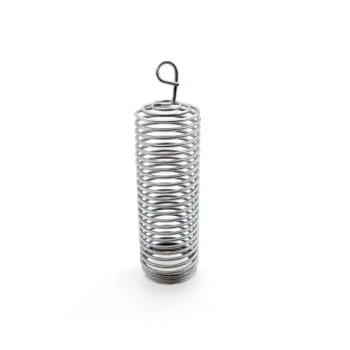
- Durable Galvanized Steel Spring Queen Bee Cage
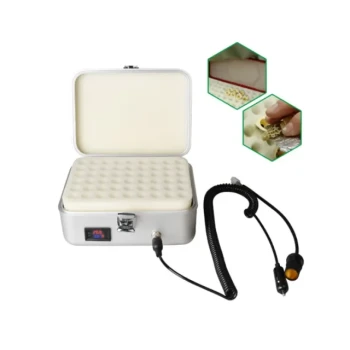
- Portable Queen Bee Incubator with 12V Car Adapter for Safe Transport
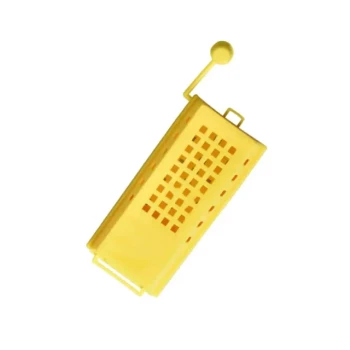
- Professional Queen Bee Introduction and Transport Cage
- Heavy Duty Stainless Steel Queen Bee Catcher Clip
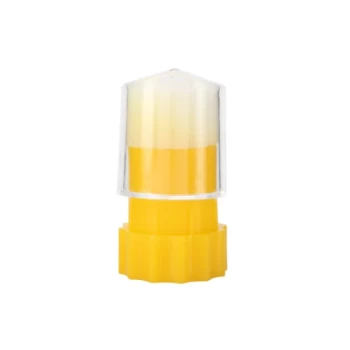
- Queen Bee Catcher Plastic Bee Marker Bottle with Piston Marking Tube
People Also Ask
- Why are specialized queen bee cages used for the banking of mated queen bees? Maximize Commercial Apiary Storage Efficiency
- What is the mechanism of action for using temporary queen bee cages? Master Successful Queen Introduction
- What is the step-by-step process for installing a queen bee's cage onto a frame? Ensure Hive Acceptance Safely
- What is the optimal placement for a queen bee cage? Essential Strategies for Successful Re-queening
- What are the advantages and disadvantages of introducing a queen bee by embedding the cage? Boost Your Queen Acceptance