Professional honey harvesting relies on the precise application of vibration and brushing to separate bees from the honeycomb safely and efficiently. These techniques are professionally necessary because they allow for the rapid removal of bees without inflicting physical injury, thereby maintaining the colony's health while significantly streamlining the workflow.
The Core Professional Insight
Vibration and brushing are not merely about removing bees; they are critical control measures for colony welfare. These methods maximize operational efficiency by minimizing the time the hive remains open, while simultaneously reducing colony stress and preventing physical harm to the insects.
The Impact on Colony Welfare
Preventing Physical Injury
The primary professional necessity for these techniques is the prevention of trauma to the insects.
Unlike rough manual handling, professional vibration dislodges bees using mechanical force that they can withstand without harm.
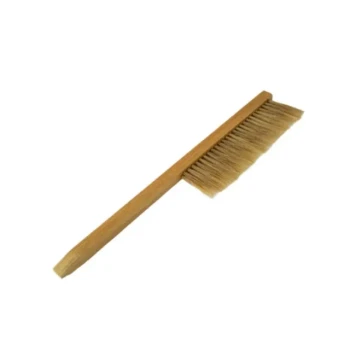
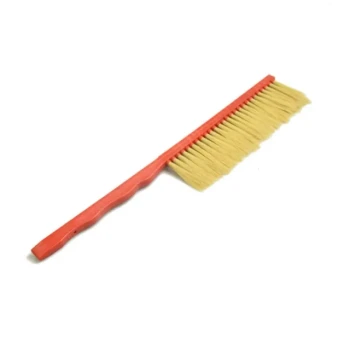
Similarly, specialized bee brushes utilize soft bristles to sweep away remaining bees, ensuring they are not crushed or damaged during the process.
Reducing Colony Stress
Harvesting is inherently intrusive, but proper technique mitigates the colony's defensive reaction.
By using vibration and brushing, you significantly reduce the stress levels and aggressive behavior of the bees compared to slower, more invasive methods.
This creates a safer environment for both the apiarist and the hive, preventing the chaotic release of alarm pheromones that triggers mass stinging.
Operational Efficiency and Quality
Minimizing Hive Exposure
Time is a critical factor in professional apiary management.
Vibration techniques allow for the rapid clearing of frames, which drastically shortens the duration the hive interior is exposed to the elements.
This speed protects the hive's internal climate and reduces the risk of robbing by other bees or pests.
Preserving Honeycomb Integrity
Beyond speed, the quality of the equipment must be maintained for future seasons.
Soft brushing is a non-invasive method that removes adhering bees while preserving the delicate integrity of the honeycomb structure.
Protecting the wax comb from mechanical damage reduces the energy burden on bees to rebuild, allowing them to focus on winter preparation or future production.
Ensuring Honey Purity
The separation process is a vital preprocessing step for the final product.
Proper brushing ensures the harvested frames are free from bees before they enter the extraction phase.
This leads to cleaner honey that is free from impurities, such as bee parts, ensuring a professional-grade product.
Understanding the Trade-offs
The Risk of Improper Brushing
While necessary, brushing requires a delicate touch and correct tooling.
If the bristles are too stiff or the motion is too aggressive, brushing can inadvertently roll or crush bees, leading to a spike in alarm pheromones and increased aggression.
Equipment Dependencies
Vibration often implies the use of mechanical blowers or shakers, which adds to the equipment cost and weight.
Relying solely on manual shaking (vibration) is physically demanding and may not clear 100% of the bees, necessitating the follow-up use of a brush.
Making the Right Choice for Your Goal
To apply these techniques effectively, tailor your approach to your specific operational priorities:
- If your primary focus is Commercial Efficiency: Prioritize mechanical vibration tools to minimize the time the hive is open and maximize the volume of frames processed.
- If your primary focus is Colony Health and Welfare: Use gentle manual shaking followed by a soft-bristle brush to ensure zero physical injury to the bees.
- If your primary focus is Product Purity: Ensure thorough brushing of every frame to eliminate impurities before the extraction process begins.
Mastering these removal techniques is the difference between a chaotic harvest and a sustainable, professional operation.
Summary Table:
| Technique | Primary Benefit | Impact on Quality | Best Use Case |
|---|---|---|---|
| Mechanical Vibration | Rapid bee removal | Minimizes hive exposure & robbing risk | Large-scale commercial apiaries |
| Soft Brushing | Zero physical injury | Preserves comb integrity & honey purity | Specialized extraction & small batches |
| Combined Method | Maximum efficiency | Ensures 100% bee-free frames | Professional-grade honey production |
Elevate Your Apiary Operations with HONESTBEE
Transition from chaotic harvests to a professional, sustainable operation with HONESTBEE. As a leading partner for commercial apiaries and distributors, we provide the full spectrum of professional beekeeping tools, from high-efficiency honey-filling machines to specialized hive-making hardware and essential industry consumables.
Whether you are scaling your production or supplying the market, our comprehensive wholesale offering ensures you have the machinery and equipment needed to maintain colony welfare and product purity.
Ready to optimize your harvest? Contact HONESTBEE today to discuss our wholesale equipment solutions and how we can add value to your business.
References
- Ahmet Akpınar, Zehra Bozkurt. An Analysis on Migratory Beekeeping in Inner‐West Anatolia Region, Afyonkarahisar, Turkey: Production, Practice, Marketing, and Challenges. DOI: 10.31196/huvfd.982231
This article is also based on technical information from HonestBee Knowledge Base .
Related Products
- Classic Wooden Bee Brush with Double-Row Boar Bristles
- Plastic Handle Single Row Artificial Fiber Bee Brush
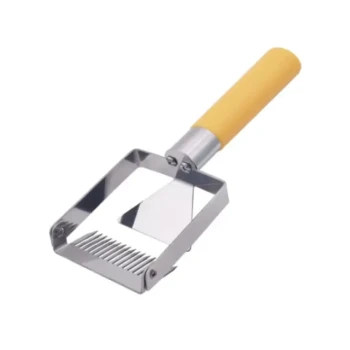
- All-Stainless Steel Pivoting Honey Uncapping Fork for Beekeeping
- Stainless Steel 3 Frame Manual Honey Extractor Spinner for Bee Honey Extraction
- Stainless Steel Pivoting Honey Uncapping Fork with Plastic Handle
People Also Ask
- What are the key features of a popular bee brush? Essential Design for Bee Safety and Hive Hygiene
- What are the key characteristics of the bristles on a bee brush? Master Gentle and Efficient Bee Removal
- What is a bee brush and what is its primary use? A Gentle Tool for Hive Management
- What is the purpose of using a bee brush during the inspection of hive components? Safe & Precise Hive Management
- What is the specific function of a bee brush? Ensure Pure Harvests and Colony Welfare During Honey Extraction