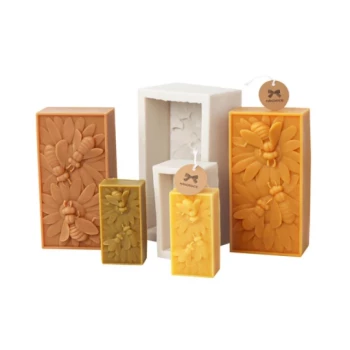
To properly store processed beeswax, you must place the cooled and solidified wax into airtight containers located in a cool, dry area away from direct sunlight. This isolation is critical to protect the wax from dust, moisture, and especially strong odors, which the wax can easily absorb and retain.
Processed beeswax possesses an indefinite shelf life when correctly maintained. The key to longevity is preventing environmental contamination—specifically from heat, moisture, and reactive chemicals—rather than preventing the degradation of the wax itself.
Optimizing the Storage Environment
Controlling Temperature and Humidity
Store your beeswax in a consistently cool and dry environment. Excessive heat can soften the wax or cause the blocks to stick together, while moisture can degrade the surface quality over time.
Preventing Photodegradation
Keep the wax away from direct sunlight or high-intensity artificial light. UV exposure can bleach the natural color of the wax and potentially degrade its structural integrity. A dark closet or opaque container is ideal.
Eliminating Environmental Odors
Beeswax is highly absorbent and will soak up strong scents from its surroundings. Never store wax near chemicals, gasoline, cleaning agents, or pungent foods, as these odors will permanently contaminate the wax and ruin it for cosmetic or candle use.
Selecting the Right Container
The Necessity of Airtight Seals
Use sealed containers or boxes to create a physical barrier against the environment. This prevents dust and debris from settling on the wax, which would require you to re-melt and re-filter the material before use.
Material Compatibility
Ensure your storage containers are made of non-reactive materials, such as stainless steel, food-grade plastic, or glass.
Avoiding Reactive Metals
Do not store beeswax in containers made of iron or zinc. These metals can chemically react with the wax, leading to discoloration and contamination that renders the wax unsuitable for high-quality applications.
Understanding Natural Changes
The Phenomenon of 'Bloom'
Over time, you may notice a whitish film forming on the surface of your stored wax blocks. This is known as "bloom" and is a natural characteristic of pure beeswax, not mold or degradation.
Managing Bloom
If bloom occurs, it does not impact the quality of the wax. You can easily remove it by buffing the block with a soft rag or applying a small amount of warm air (like a hair dryer) to the surface.
Pest Considerations
Unlike raw honeycomb, properly filtered and rendered beeswax is generally safe from wax moths, as the larvae feed on the pollen and cocoons removed during processing. While raw wax requires freezing to kill pests, processed wax blocks are naturally resistant to infestation.
Common Pitfalls to Avoid
Ignoring Chemical Proximity
The most common storage error is placing wax in a garage or shed near fumes. Once beeswax absorbs a chemical smell like solvent or gasoline, there is no way to "wash" it out; the batch is effectively ruined for sensitive uses like lip balms.
Re-contamination Risks
Storing wax in open bins invites dust to embed into the surface. While the wax inside remains good, you waste time and material having to scrape or re-filter the exterior layer before using it for a project.
Making the Right Choice for Your Goal
Whether you are storing wax for a few months or several years, the approach depends on your end use:
- If your primary focus is cosmetic formulation: Store wax in strictly airtight, food-grade glass or stainless steel containers to ensure zero odor absorption or chemical leaching.
- If your primary focus is candle making: Use sealed plastic bins to keep dust off the surface, ensuring a clean burn without the need for re-filtering.
- If your primary focus is long-term stockpiling: Check the wax periodically for "bloom" to verify purity, but avoid unnecessary handling to prevent surface scratches or contamination.
Treat processed beeswax as a sponge for its environment; keep it sealed, cool, and isolated, and it will remain pristine indefinitely.
Summary Table:
| Storage Factor | Recommended Best Practice | Why It Matters |
|---|---|---|
| Temperature | Cool, consistent environment | Prevents softening, sticking, and degradation. |
| Lighting | Dark area / Opaque containers | Avoids UV bleaching and structural breakdown. |
| Container | Airtight glass, stainless steel, or food-grade plastic | Blocks dust, moisture, and prevents chemical reactions. |
| Location | Away from chemicals, fuels, and strong odors | Beeswax is highly absorbent; prevents permanent odor damage. |
| Metals | Avoid iron or zinc | Prevents chemical reactions that cause discoloration. |
Maximize Your Apiary's Potential with HONESTBEE
Proper storage is just one part of a successful operation. HONESTBEE empowers commercial apiaries and distributors with the professional-grade tools needed to process and preserve high-quality beeswax. From specialized honey-filling and hive-making machinery to a comprehensive range of beekeeping hardware and industry consumables, we provide the end-to-end solutions your business requires.
Whether you are looking to scale your production or supply your local market with premium beekeeping equipment and cultural merchandise, our wholesale offerings are designed for your success.
Ready to elevate your beekeeping business?
Contact HONESTBEE Today to explore our full product portfolio and discover how our expertise can streamline your operations.
Related Products
- Electric Commercial Beeswax Melter for Factory Use
- Manual Beeswax Flat Sheet Machine for Beeswax Processing
- Electric Beeswax Flat Sheet Machine with Operating Tray for Wax Processing
- Steam Beeswax Melter Wax Warmer for Wax Processing
- Fully Automatic Beeswax Embossing Machine Foundation Mill
People Also Ask
- Why might a commercial beekeeper prefer an electric beeswax melter? Maximize Profit with Speed & Scale
- What safety precautions should be taken when melting beeswax? A Guide to Flammable Wax Handling
- What types of beeswax melters are available for different scales of beekeeping? Solar vs. Electric Melters Compared
- What are the three popular methods for melting beeswax? Safely Process Your Wax with Ease
- How do you melt beeswax without making a mess? Master Safe & Clean Techniques