Wet burlap serves as a dual-purpose protective shield that physically blocks pesticide aerosols from entering the hive while simultaneously regulating the internal temperature via evaporative cooling. This temporary isolation strategy prevents acute chemical poisoning and ensures the colony remains hydrated and cool while flight activity is restricted during high-risk application windows.
Covering beehives with wet burlap is a critical, cost-effective management practice that prevents mass colony loss by filtering toxic mists and maintaining hive stability for up to 48 hours. For distributors and wholesalers, providing high-quality, coarse-weave materials is essential for professional beekeepers seeking to mitigate the risks of agricultural chemical exposure.
Physical Isolation and Aerosol Filtering
Blocking Chemical Entry
The primary function of wet burlap is to act as a physical barrier and filter. The coarse fibers of the cloth are capable of capturing harmful chemical mists and toxic dust particles before they can penetrate the hive interior.
Preventing Direct Contact
By sealing the hive, beekeepers prevent acute colony poisoning caused by direct contact with or inhalation of agricultural chemicals. This isolation is particularly vital when herbicides or insecticides are applied in immediate proximity to pollination areas.
Restricting Flight Activity
The cover serves as a temporary barrier that restricts honeybee flight activity. This keeps foraging bees safely inside the hive during periods of peak pesticide concentration in the surrounding fields.
Maintaining Hive Homeostasis
Evaporative Cooling Benefits
When bees are confined, the hive temperature can rise rapidly due to metabolic heat. The "wet" component of the burlap provides evaporative cooling, which is essential for maintaining a safe internal environment while the bees are trapped.
Essential Moisture Regulation
Enclosed bees require a consistent water source to survive the stress of confinement. The wet burlap provides necessary moisture, ensuring colony survival and stability for the duration of the pesticide application.
Hardware as a Safety Solution
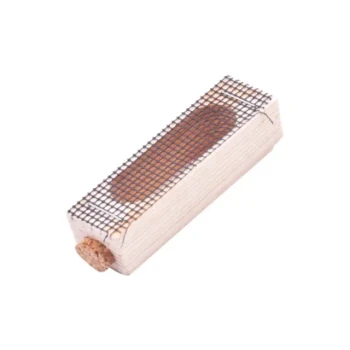
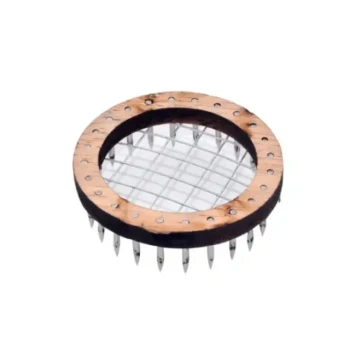
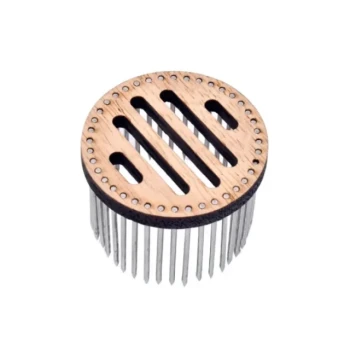
Beyond simple cloth, specialized protective netting and hardware covers serve as professional-grade tools for this process. These materials are engineered to create a safe internal environment, making them a high-demand item for beekeepers managing large-scale pollination contracts.
Understanding the Trade-offs
The 48-Hour Threshold
While effective, this method is strictly a temporary measure. Primary research indicates that hives should not be sealed for more than two days, as extended confinement can lead to resource depletion and extreme stress.
The Risk of Desiccation
The protective function relies entirely on the burlap remaining wet. If the cloth dries out, the cooling effect is lost, and the hive can quickly succumb to lethal heat stress, especially in warmer climates.
Labor and Monitoring
This method requires active management and monitoring to ensure the barrier remains saturated. Distributors should advise clients that while burlap is cost-effective, it requires a high degree of operational oversight compared to some automated ventilation systems.
Sourcing Strategies for Distribution Professionals
Professional beekeepers and agricultural contractors rely on a steady supply of high-performance barrier materials to protect their livestock. As a distributor, your role is to provide the specialized hardware and textiles that make these safety protocols possible.
- If your primary focus is rapid response to spray alerts: Source our high-inventory, ready-to-ship coarse burlap and specialized covers to ensure your clients can react immediately to local pesticide applications.
- If your primary focus is full-spectrum beekeeping supply: Utilize our one-stop sourcing capabilities to offer a comprehensive range of protective netting and cooling fabrics alongside traditional hive hardware.
- If your primary focus is premium trading services: Leverage our deep industry expertise to identify and procure high-durability textiles that offer superior filtration and moisture retention for commercial-scale operations.
By providing the right protective materials and technical expertise, you empower your clients to maintain healthy colonies even in the most intensive agricultural environments.
Summary Table:
| Function | Key Benefit | Critical Requirement |
|---|---|---|
| Physical Filtering | Blocks toxic aerosols and chemical dust | High-density coarse-weave material |
| Temperature Control | Provides evaporative cooling to prevent heat stress | Burlap must remain consistently wet |
| Flight Restriction | Keeps foragers safe inside during spray windows | Limit confinement to maximum 48 hours |
| Hydration Support | Supplies essential moisture to trapped bees | Active monitoring and re-saturation |
Secure Your Supply Chain with HONESTBEE
As a distributor or B2B reseller, providing reliable colony protection is vital for your commercial clients. HONESTBEE is your dedicated partner for one-stop sourcing, offering a full spectrum of beekeeping tools, specialized hardware, and essential consumables.
Whether you need high-durability textiles for pesticide protection or advanced honey-filling machinery, we provide:
- Rapid Response & Ultra-Fast Delivery: Ensure your inventory meets seasonal agricultural demands.
- Premium Wholesale Portfolios: From hive-making machines to cultural merchandise, we cover all industry needs.
- Deep Industry Expertise: Benefit from our professional guidance on OEM/ODM support and supply reliability.
Boost your profit margins and enhance your service with our exceptional trading services. Contact us today to explore our wholesale offerings!
References
- Pratap A. Divekar, Ravindr Kumar. Bee pollination in vegetables: current status, challenges and prospects. DOI: 10.48130/cas-0024-0015
This article is also based on technical information from HonestBee Knowledge Base .
Related Products
- Classic Wooden and Mesh California Queen Cage
- Wood and Mesh Push-In Queen Cage
- Professional Bamboo Queen Isolation Cage
- Premium Wood and Steel Push In Queen Cage
- Professional Wooden Requeening Frame for Beekeeping
People Also Ask
- How are queen cages used to protect newly hatched queens? Secure Your Virgin Queens During Development
- Why are queen cages or grid cages used in bee studies? Achieve Precise Biological Data for Research
- Why are professional queen cages necessary for queen replacement? Secure Your Apiary’s Future
- What should be done if bees damage the queen cage? Secure Your Queen with These Emergency Intervention Steps
- What is the correct procedure for installing a queen cage into a new hive? A Pro Guide for Colony Success