Adding diluted royal jelly to artificial queen cell cups prior to larval transfer serves two primary functions: it creates a protective, moist environment that prevents the larva from dehydrating, and it significantly increases the acceptance rate by the nurse bees. By acting as a lubricant and nutritional buffer, the mixture ensures the delicate larva remains physiologically stable during the transition from the comb to the artificial cup.
Core Takeaway: Successful queen rearing requires minimizing stress on the larva. A 1:1 mixture of royal jelly and sterile water mimics the natural hive environment, leveraging scent to trigger immediate nursing behavior while protecting the graft from physical damage and desiccation.
Biological Protection During Transfer
Preventing Desiccation
The primary physical threat to a grafted larva is dehydration. Because larvae are extremely small and susceptible to air exposure, the diluted royal jelly acts as a hydrating buffer. This moisture barrier ensures the larva maintains its normal physiological state during the time it takes to complete the grafting process and transport the frame back to the colony.
Physical Lubrication
Placing a soft larva onto the dry, hard surface of an artificial plastic or wax cup can cause physical trauma. The solution provides necessary lubrication, allowing the larva to float gently rather than adhering to the dry surface. This prevents damage to the larva's delicate skin (cuticle) during placement.
Enhancing Colony Acceptance
Olfactory Signaling
Success in queen rearing depends on how quickly nurse bees attend to the new grafts. The scent of the royal jelly acts as a powerful chemical signal. It mimics the natural environment of a queen cell, instantly triggering the nursing instincts of the worker bees.
The Continuity of Care
By pre-treating the cups, you effectively bridge the gap between the original cell and the artificial one. The presence of the nutrient-rich fluid ensures the larva has immediate access to food, smoothing the transition until the colony's nurse bees take over feeding duties. This seamless continuity is a major factor in improving acceptance rates.
Understanding the Trade-offs
The Necessity of Dilution
It is critical to note that the royal jelly is typically used as a 1:1 mixture with sterile water, not in its raw, concentrated form. Pure royal jelly may be too viscous or potent for the immediate transfer environment. The dilution ensures the consistency is correct for "priming" the cup without drowning the tiny larva.
Alternative Substrates
While royal jelly is the standard for acceptance due to its scent, other liquid substrates like apple juice or coconut water can also be used to maintain moisture. Specifically, acidic substrates like apple juice help regulate physicochemical conditions (pH). However, royal jelly remains superior for leveraging natural hive pheromones and scent triggers.
Making the Right Choice for Your Goal
To maximize your success in queen rearing, align your preparation method with your specific challenges:
- If your primary focus is maximzing acceptance rates: Prioritize using a diluted royal jelly mixture, as the specific scent triggers the strongest nursing response from worker bees.
- If your primary focus is preventing larval injury: Ensure the bottom of every cup is coated with a liquid substrate (whether jelly or water) to provide a cushion against the dry cell surface during grafting.
By mimicking nature through moisture and scent, you turn an artificial plastic cup into a recognized, viable home for a future queen.
Summary Table:
| Function | Benefit | Impact on Queen Rearing |
|---|---|---|
| Hydration | Prevents larval desiccation | Maintains physiological stability during transfer |
| Lubrication | Provides a soft landing | Minimizes physical trauma to the delicate cuticle |
| Scent Signaling | Triggers nursing instinct | Ensures immediate attention and feeding by nurse bees |
| Nutritional Buffer | Bridges the feeding gap | Provides a seamless transition for the grafted larva |
Maximize Your Apiary's Productivity with HONESTBEE
Successful queen rearing is the foundation of a thriving commercial apiary, and having the right tools is just as critical as the technique. HONESTBEE specializes in supporting commercial beekeepers and distributors by providing a comprehensive range of high-quality equipment designed for scale and efficiency.
From precision grafting tools and artificial queen cell cups to advanced honey-filling machines and hive-making machinery, we supply everything needed to streamline your operations. Whether you are looking for essential consumables or specialized hardware, our wholesale offerings are tailored to help your business grow.
Ready to elevate your beekeeping operations? Contact us today to discover how HONESTBEE's premium equipment and industry expertise can bring superior value to your apiary or distribution network.
References
- Simone Cristina Camargo, Regina Conceição Garcia. Abelha rainha Apis mellifera e a produtividade da colônia. DOI: 10.18188/sap.v14i4.13231
This article is also based on technical information from HonestBee Knowledge Base .
Related Products
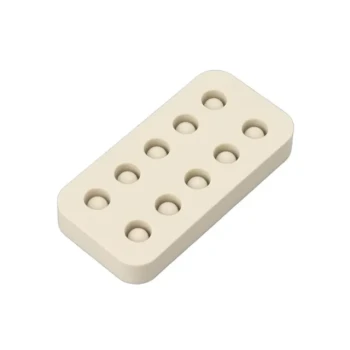
- 10-Cell Silicone Beeswax Bee Queen Cups Forming Mold
- JZBZ Type Wide Base Plastic Queen Cell Cups for Base Mounting and Queen Rearing
- Brown Nicot Queen Cell Cups for Breeding Queen Bees Beekeeping
- JZBZ Push-In Queen Cell Cups for Beekeeping
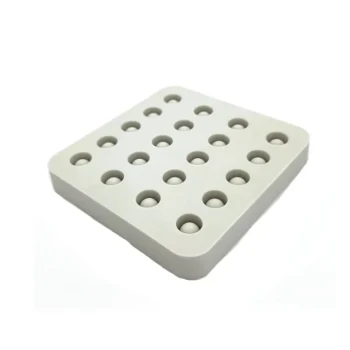
- High-Efficiency 20-Cell Silicone Mold for Beeswax Bee Queen Cup Production
People Also Ask
- How do beeswax queen cell cups function? Optimize Queen Rearing with Biological Mimicry
- What is the biological function of beeswax queen cell cups? Boost Acceptance in Artificial Queen Rearing
- What role do specialized queen rearing tools play in developing mite-resistant honeybee stock? Master Genetic Selection
- What materials are used to make artificial queen cell cups for grafting? Beeswax vs. Plastic Guide
- What roles do specialized queen cell cups play in royal jelly production? Optimize Your Hive's Secretion and Yield