The primary function of an external heater in a honey drying system is to regulate the honey's temperature to significantly lower its dynamic viscosity. By heating the honey, the system increases its fluidity, which allows the pump to circulate the liquid with greater ease. This improved flow ensures the honey is distributed evenly across internal screens, directly resulting in higher dehydration efficiency.
Cold, viscous honey resists flow and creates bottlenecks in processing equipment. The external heater acts as a critical facilitator, ensuring the honey is fluid enough to be pumped efficiently and spread thinly for maximum drying performance.
The Mechanics of Viscosity and Flow
To understand the value of the external heater, one must first understand the physical properties of the material being processed.
Reducing Dynamic Viscosity
Honey creates significant resistance to flow when it is cool.
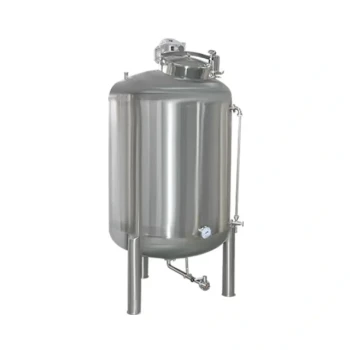
The external heater creates an optimal thermal environment within the storage tank. This heat energy breaks down the internal resistance of the fluid, effectively lowering its dynamic viscosity.
Enhancing Pump Efficiency
A highly viscous fluid puts immense strain on mechanical pumps.
By maintaining the honey in a more fluid state, the heater allows the honey pump to operate more effectively. This ensures consistent circulation without overburdening the system's mechanical components.
Impact on Dehydration Performance
The ultimate goal of the system is to remove moisture, and the heater plays a pivotal role in enabling this process.
Ensuring Even Distribution
Effective drying requires maximizing the surface area of the honey exposed to air.
The heated, fluid honey flows smoothly onto the internal screens. This ensures an even coating rather than clumping or streaking, which is essential for consistent moisture removal.
Maximizing System Efficiency
The heater is not just about temperature; it is about throughput.
By facilitating better circulation and screen coverage, the heater increases the overall dehydration efficiency of the entire system. It transforms the honey into a state where the drying mechanism can work at its peak potential.
Understanding the Operational Balance
While the external heater is vital for efficiency, it introduces specific operational requirements that must be respected.
The Necessity of Thermal Precision
The system relies on reaching an "optimal temperature," not just any temperature.
If the heater is inactive or set too low, the dynamic viscosity will remain high. This leads to poor circulation, uneven distribution on the screens, and a significant drop in dehydration performance.
Optimizing Your Drying Process
The external heater is the key to unlocking the full potential of your dehydration equipment.
- If your primary focus is Speed: Ensure the heater is active and set to the optimal range to minimize viscosity, allowing for faster circulation and screen coating.
- If your primary focus is Consistency: Monitor the heater performance to guarantee that the honey maintains a uniform fluidity, ensuring even distribution across the screens for predictable drying results.
Temperature control is the leverage point that converts raw mechanical power into efficient moisture removal.
Summary Table:
| Feature | Function in Honey Drying System | Impact on Performance |
|---|---|---|
| Viscosity Control | Lowers dynamic viscosity of honey | Increases fluidity for easier processing |
| Pump Support | Reduces mechanical strain on the honey pump | Ensures consistent and smooth circulation |
| Screen Distribution | Enables even coating on internal screens | Maximizes surface area for moisture removal |
| System Throughput | Maintains optimal thermal environment | Shortens drying cycles and increases efficiency |
Maximize Your Honey Processing Potential with HONESTBEE
Efficient honey dehydration starts with the right equipment. At HONESTBEE, we specialize in supporting commercial apiaries and distributors with high-performance beekeeping tools and machinery. Whether you need advanced honey-filling machines, specialized hive-making hardware, or industrial-grade honey drying systems, our comprehensive wholesale offering is designed to scale your operations.
Don't let high viscosity slow down your production. Partner with HONESTBEE for the professional-grade equipment and industry consumables you need to stay competitive.
Contact our expert team today to optimize your apiary
References
- Gülşah Karaca Dolgun, Mustafa Aktaş. Balın Kurutulması için Enerji Verimli ve Hijyenik Yeni Bir Sistem Tasarımı. DOI: 10.2339/politeknik.526639
This article is also based on technical information from HonestBee Knowledge Base .
Related Products
- Stainless Steel Heated Honey Tank Warming Heating Tank
- Honey Tank Heater Drum Heating Blanket for Honey Barrel
- Silicone Rubber Honey Drum Heating Belt
- Stainless Steel Honey Storage and Settling Tank with Double Strainer
- Stainless Steel Honey Storage Tank with Lid for Honey
People Also Ask
- What are the benefits of precise temperature control in honey heating tanks? Preserve Quality and Efficiency
- How do honey heating tanks offer scalability for growing beekeeping operations? Strategic Equipment Growth Solutions
- What features of a honey heating tank contribute to hygiene? Ensure Purity with Stainless Steel & Sanitary Design
- What is the primary role of a honey heating tank? Enhance Your Honey Processing Flow and Quality
- What is the purpose of using heating tanks or constant temperature water baths in honey dehydration? Optimize Purity & Flow