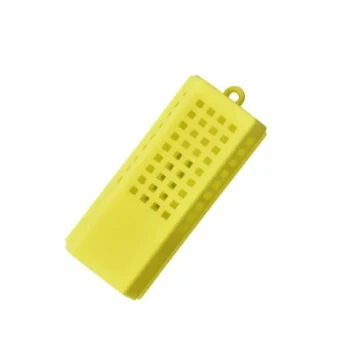
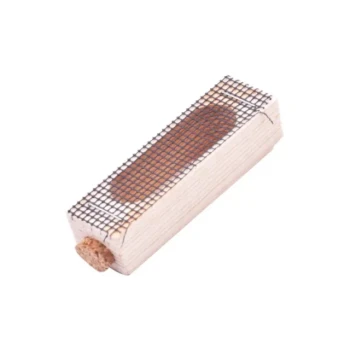
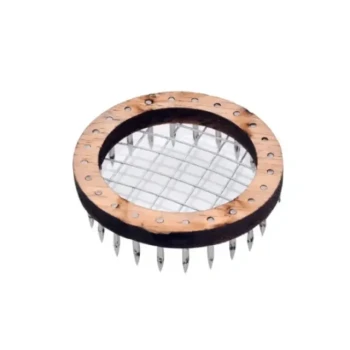
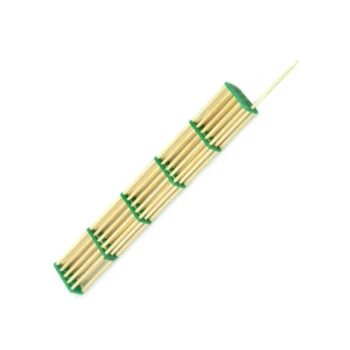
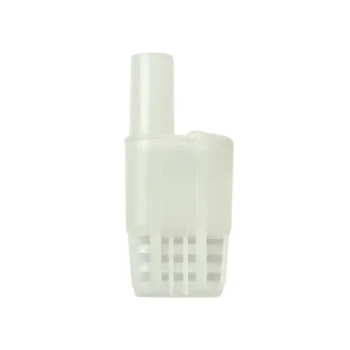
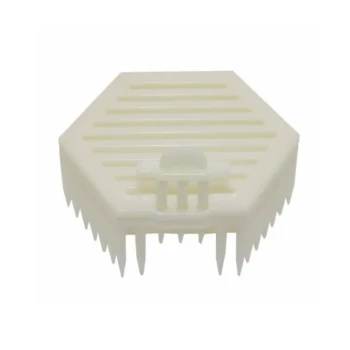
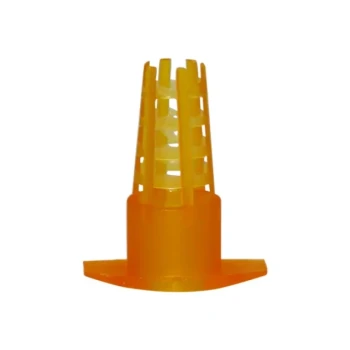
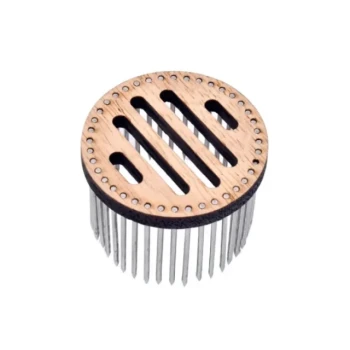
Caging queen cells is a standard management practice designed to secure the survival of developing queens in an apiary. The primary purpose is two-fold: it physically protects the fragile cell from damage during handling and creates a barrier to contain any virgin queen that emerges early, preventing her from killing her unhatched rivals. While cages can be applied as soon as a cell is sealed, delaying the process by a few days is often preferred to allow for natural cell maintenance.
The core value of caging is risk mitigation. By isolating the cells, you override the natural instinct of the first-hatched queen to destroy her competition, ensuring that a single early emergence does not wipe out your entire batch of potential queens.
The Mechanics of Protection
Preventing Colony Fratricide
The most critical function of a cage is containment. In a natural setting, the first virgin queen to emerge will instinctively seek out other queen cells to sting and kill the occupants.
By placing a cage over the cell, you confine the early-emerging queen. This simple barrier ensures the safety of the remaining cells, preserving your yield.
Shielding Against Physical Damage
Queen cells are inherently delicate and soft. During inspections or transport, accidental bumps can dent the cell wall and harm the developing pupa.
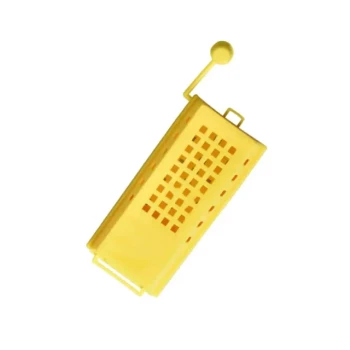
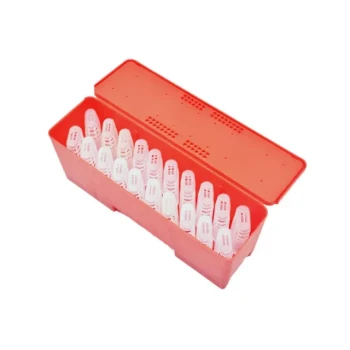
'Hair roller' style cages provide a rigid exoskeleton around the cell. This structure absorbs impacts and prevents crushing, particularly when moving frames between hives or incubators.
Timing and Technique
The Window for Application
Technically, you can fit a cage over a queen cell at any point after the workers have sealed it. Once the cap is on, the larva is pupating and no longer needs feeding.
However, experienced apiarists often wait a few days after sealing. This delay allows the wax to harden slightly and gives worker bees time to finish sculpting the exterior of the cell.
Managing Brace Comb
Bees will frequently build "brace comb"—bridges of wax connecting the queen cells to each other or the frame. This excess wax can prevent a cage from sliding on smoothly.
You must gently trim this wax using a sharp knife. The goal is to remove the obstruction without applying pressure that might crush the developing queen inside.
Common Pitfalls to Avoid
Premature Isolation
While early caging offers immediate protection, it isolates the cell from the nurse bees.
If you cage immediately upon sealing, you prevent workers from further thickening and reinforcing the cell wall. This can leave the cell slightly more vulnerable to temperature fluctuations that direct contact with nurse bees helps regulate.
Compression Risks
The most common error during caging is forcing the fit. If brace comb is not trimmed adequately, the cage may squeeze the cell.
Even slight compression can deform the pupa or damage its wings. It is safer to take the extra time to trim the wax cleanly than to risk forcing a cage over an obstructed cell.
Making the Right Choice for Your Apiary
To maximize your success rate, tailor your timing to your specific workflow:
- If your primary focus is maximum yield: Wait a few days after sealing to cage the cells, allowing nurse bees to finish their work while still beating the emergence clock.
- If your primary focus is handling safety: Prioritize the precise trimming of brace comb to ensure the cage fits loosely and protects the cell without touching it.
Mastering the use of queen cages turns the unpredictable timing of emergence into a manageable, controlled process.
Summary Table:
| Aspect | Purpose/Action | Key Consideration |
|---|---|---|
| Primary Goal | Prevents early-emerged queens from killing rivals | Risk mitigation & yield preservation |
| Protection | Shields delicate cells from physical damage | Use rigid 'hair roller' cages |
| Ideal Timing | A few days after sealing | Allows wax to harden and workers to finish sculpting |
| Maintenance | Trimming brace comb | Must be done gently with a sharp knife to avoid compression |
| Isolation Risk | Removes access to nurse bees | Balancing protection with natural temperature regulation |
Scaling Your Queen Rearing Operations?
At HONESTBEE, we understand that precision is the backbone of a successful commercial apiary. Whether you are a large-scale distributor or a growing commercial operation, we provide the industrial-grade beekeeping tools and machinery you need to thrive. From high-quality queen rearing cages to advanced honey-filling machines and specialized hive-making hardware, our comprehensive wholesale offering is designed to optimize your productivity.
Ready to elevate your apiary's efficiency? Contact us today to explore our full spectrum of beekeeping equipment and industry consumables tailored to your professional needs.
Related Products
- Professional Queen Cage with Sliding Gate and Feeder Plug
- Professional Queen Bee Introduction and Transport Cage
- Durable Galvanized Steel Spring Queen Bee Cage
- JZBZ Style Professional Battery Box with 20 Shipping Cages
- Professional Multi-Functional Queen Bee Cage
People Also Ask
- Why are specialized queen bee cages used for the banking of mated queen bees? Maximize Commercial Apiary Storage Efficiency
- What is the mechanism of action for using temporary queen bee cages? Master Successful Queen Introduction
- How is a queen bee released from a queen cage? Ensure Safe Colony Integration & Hive Success
- What is the step-by-step process for installing a queen bee's cage onto a frame? Ensure Hive Acceptance Safely
- What technical precaution must be taken regarding the mesh or grill side of a queen bee cage? Ensure Queen Survival