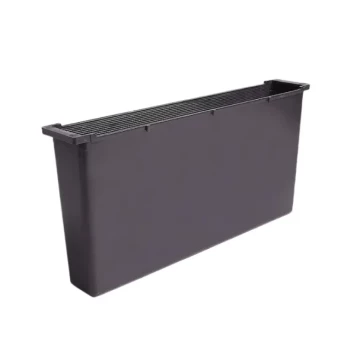
Sanding the surface of ceramic plate feeders is a critical pre-treatment designed to modify the physical texture of the material for the safety of your hive. By roughening the naturally smooth ceramic, you provide necessary traction for the bees, ensuring they can access liquid feed without slipping and drowning.
Core Insight: The primary danger of ceramic feeders is their smooth finish, which offers poor grip for insects. Sanding transforms the feeder from a potential hazard into a stable platform, simultaneously reducing bee mortality and increasing the rate at which the colony collects food.
The Physics of Bee Safety
The effectiveness of a feeder is not just about holding liquid; it is about accessibility. Ceramic is a popular material for feeders, but its surface characteristics require modification to be safe for apiary use.
Improving Foot Grip
The most immediate benefit of sanding is the increase in surface roughness.
Bees rely on friction to navigate surfaces, especially when positioning themselves to drink. An untreated ceramic plate acts much like a sheet of glass, offering little purchase for a bee’s legs.
Preventing Drowning
Liquid feed presents a significant drowning risk if the container edges are slippery.
By sanding the 10cm ceramic plates, you create a textured "safety zone." This prevents bees from losing their footing and sliding into the syrup or water, directly reducing the number of dead bees found in the feeder during inspections.
Impact on Hive Productivity
Beyond survival, surface preparation directly impacts how efficiently a colony can refuel.
Enabling Simultaneous Feeding
A rough, stable surface turns the feeder into a communal platform.
Because the bees feel secure, the sanded surface supports multiple bees feeding simultaneously. They do not need to struggle for position or spacing, allowing for a higher density of bees on the feeder at any given moment.
Increasing Collection Rates
Stability leads to speed.
When bees do not have to expend energy maintaining their balance, they can consume feed more rapidly. Consequently, feeders with sanded surfaces demonstrate a higher food collection rate compared to those made of smooth, untreated materials.
Common Pitfalls to Avoid
While the concept is simple, the execution is vital for the feeder's success.
The Risk of Untreated Materials
It is a mistake to assume a "ready-to-use" ceramic plate is suitable for beekeeping without inspection.
Using smooth, untreated materials is the primary cause of low feeding uptake and high accidental mortality in these setups. If the surface feels glossy or slick to the touch, it is functionally a trap for your bees.
Consistency of Texture
The sanding must be applied to the areas where the bees stand while feeding.
Inconsistent sanding can leave "slip zones" that still pose a risk. The goal is a uniform roughness that provides confidence to the bees regardless of where they land on the plate.
Making the Right Choice for Your Goal
Whether you are retrofitting existing equipment or preparing new feeders, the surface texture is a non-negotiable factor.
- If your primary focus is Colony Survival: Ensure the ceramic is sanded thoroughly to maximize traction, as this is the single most effective way to prevent drowning incidents during feeding.
- If your primary focus is Efficiency and Speed: prioritize a uniformly rough texture to allow multiple bees to feed at once, significantly boosting the overall food collection rate.
A properly prepared feeder is an investment in the stability and speed of your colony's development.
Summary Table:
| Feature | Untreated Ceramic Surface | Sanded Ceramic Surface |
|---|---|---|
| Traction Level | Low (Slippery like glass) | High (Rough texture) |
| Bee Safety | High drowning risk | Low mortality / Stable platform |
| Feeding Density | Sparse (Bees struggle for grip) | High (Multiple bees simultaneously) |
| Collection Rate | Slow and inefficient | Rapid and consistent |
| Physical Texture | Glossy/Slick | Uniformly rough |
Maximize Your Apiary Productivity with HONESTBEE
At HONESTBEE, we understand that the smallest details—like the texture of a feeder—can make the biggest difference in colony health and yield. As a premier partner for commercial apiaries and distributors, we provide more than just supplies; we provide professional-grade solutions.
Our comprehensive wholesale catalog includes:
- Precision Machinery: Hive-making and honey-filling machines to scale your operations.
- Durable Hardware: A full spectrum of specialized beekeeping tools and equipment.
- Essential Consumables: Everything required for the daily maintenance of high-performing hives.
- Cultural Merchandise: Unique honey-themed products to expand your brand's reach.
Whether you are looking to source bulk equipment or need specialized machinery to streamline your honey production, HONESTBEE is committed to your success. Contact us today to explore our wholesale offerings and see how our expertise can grow your beekeeping business.
References
- Roberto Barbosa Sampaio, Patrícia Faquinello. Avaliação de alimentadores para abelha mandaçaia (Melipona quadrifasciata anthidioides). DOI: 10.4321/s0004-05922013000400018
This article is also based on technical information from HonestBee Knowledge Base .
Related Products
- Rapid Bee Feeder White Plastic 2L Round Top Feeder for 8 or 10-Frame Bee Hives
- 3.5L Plastic Beehive Frame Feeder Deep Frame Water Feeder for In Hive Use
- White Plastic 0.5L Beekeeping Entrance Feeder for Bees
- Classic Boardman Entrance Bee Feeder Hive Front Feeding Solution
- HONESTBEE Square Top Hive Bee Feeder Top Bee Feeder
People Also Ask
- What should be done with feeders and equipment after feeding bees? Essential Steps for Apiary Health
- What should be done if feed in a feeder is not consumed by the bees? Prevent Hive Mold with Prompt Feed Management
- What is the necessity of specialized internal or entrance feeders? Secure Your Hive with Professional Feeding Tools
- How do bee feeders work to preserve colony health during nectar shortages? Essential Guide for Beekeepers
- How quickly does a medium to strong colony usually empty a feeder? A Beekeeper's Guide to Hive Health