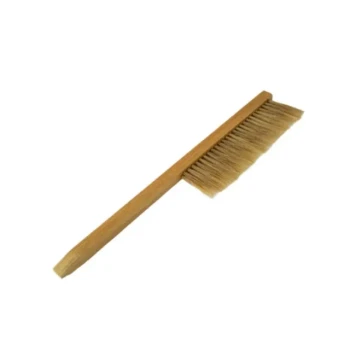
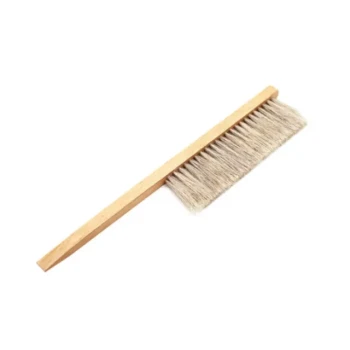
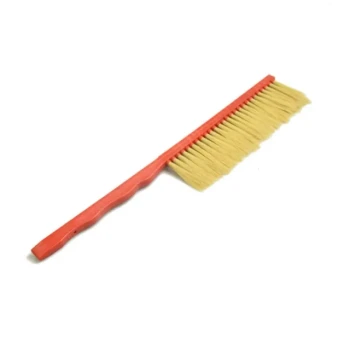
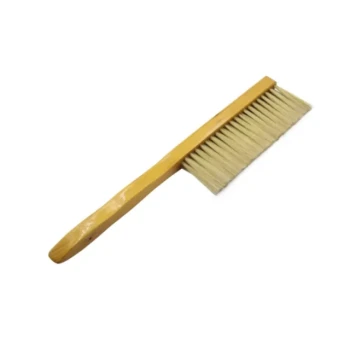
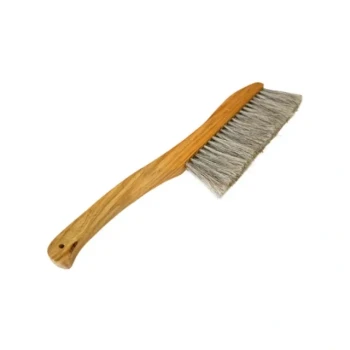
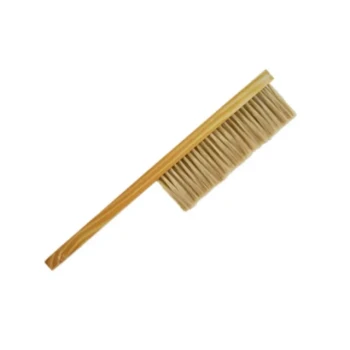
The primary purpose of using a fine bristle brush is to safely collect adult Tropilaelaps mites from a honeycomb without compromising their physical structure. By moistening the brush with agents such as water, honey, or alcohol, researchers can gently adhere and transfer mites, avoiding the crushing force often associated with rigid mechanical tools.
Adopting the fine bristle brush technique ensures high-quality specimen retrieval by eliminating physical damage to the mite’s body and mitigating the risk of external DNA contamination.
Preserving Specimen Integrity
Preventing Physical Trauma
The most immediate benefit of using a fine bristle brush is the protection of the specimen. Tropilaelaps mites have delicate bodies that are easily damaged during handling.
Tools that rely on mechanical pinching, such as forceps, often exert too much pressure. This can crush the mite or damage its exoskeleton, rendering it useless for morphological study. A soft brush eliminates this compressive force entirely.
The Mechanism of Adhesion
To make the collection effective, the brush is not used dry. It is typically moistened with water, honey, or alcohol.
This moisture creates a gentle surface tension or stickiness that attracts the mite. This allows the collector to lift the mite off the comb surface through adhesion rather than friction or force.
Ensuring Genetic Purity
Avoiding DNA Contamination
Beyond physical preservation, the method of moistening the tool is critical for molecular analysis.
There is a risk of introducing foreign DNA if tools are moistened improperly, such as with human saliva. Using a brush with controlled liquids (alcohol or water) ensures the sample remains chemically and genetically pure. This is essential for preventing DNA contamination that could skew genetic sequencing results.
Understanding the Trade-offs
Precision vs. Grip
While forceps offer a firm, positive grip on an object, they lack the tactile feedback necessary for soft-bodied organisms. The trade-off with using a brush is that it relies on adhesion rather than a mechanical lock.
Chemical Considerations
While the brush prevents physical damage, the choice of moistening agent matters. You must ensure that the liquid used (e.g., alcohol vs. honey) is compatible with your intended downstream analysis.
Making the Right Choice for Your Goal
To ensure your data is reliable, align your collection tool with your analytical requirements:
- If your primary focus is morphological study: Use a fine bristle brush to ensure the mite's body and appendages remain completely intact.
- If your primary focus is genetic analysis: Use a brush moistened with sterile water or alcohol to strictly avoid human DNA contamination from improper handling methods.
Treating the collection process with this level of care ensures that your samples are not just captured, but preserved.
Summary Table:
| Feature | Fine Bristle Brush | Mechanical Forceps |
|---|---|---|
| Mechanism | Surface tension / Adhesion | Mechanical pinching |
| Specimen Safety | High (prevents crushing) | Low (risk of exoskeleton damage) |
| Contamination Risk | Low (if used with sterile agents) | Moderate |
| Best Use Case | Morphological & Genetic studies | Large, robust specimens |
| Handling Style | Gentle & tactile | Firm & rigid |
Elevate Your Apiary Management with HONESTBEE
Precise mite collection is just the first step in maintaining a healthy, productive apiary. At HONESTBEE, we specialize in supporting commercial apiaries and distributors with high-performance beekeeping tools and industrial-grade machinery.
Whether you need specialized honey-filling machines, durable hive-making hardware, or a consistent supply of essential beekeeping consumables, our comprehensive wholesale portfolio is designed to scale your operations and maximize efficiency.
Ready to upgrade your professional beekeeping equipment?
Contact HONESTBEE Today to discuss how our tailored solutions can benefit your business!
References
- Denis Anderson, John M. K. Roberts. Standard methods for<i>Tropilaelaps</i>mites research. DOI: 10.3896/ibra.1.52.4.21
This article is also based on technical information from HonestBee Knowledge Base .
Related Products
- Classic Wooden Bee Brush with Double-Row Boar Bristles
- Wooden Bee Brush with Double-Row Horsehair Bristles
- Plastic Handle Single Row Artificial Fiber Bee Brush
- Wooden Bee Brush with Triple Row Artificial Fiber for Beekeeping
- Premium Triple-Row Horsehair Bee Brush
People Also Ask
- What are the key features of a popular bee brush? Essential Design for Bee Safety and Hive Hygiene
- What are the key characteristics of the bristles on a bee brush? Master Gentle and Efficient Bee Removal
- What is a bee brush and what is its primary use? A Gentle Tool for Hive Management
- What is the purpose of using a bee brush during the inspection of hive components? Safe & Precise Hive Management
- What is the specific function of a bee brush? Ensure Pure Harvests and Colony Welfare During Honey Extraction