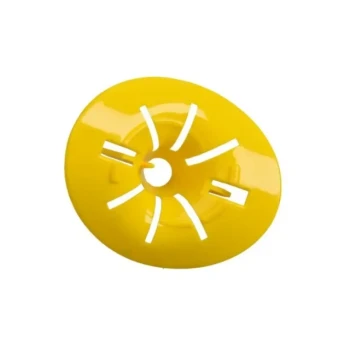
A pollen trap serves as a variable isolation tool. By installing this device at the hive entrance, researchers intercept pollen loads from foraging bees, deliberately cutting off the colony's primary natural source of protein. This creates a controlled environment of nutritional stress, which is essential for determining how diet directly impacts physiological functions.
By preventing pollen from entering the hive, the trap establishes a controlled protein-deficient environment. This allows researchers to quantify the link between protein supply and venom gland development, providing the data necessary to design optimized feeding strategies.
The Mechanics of Nutritional Control
Intercepting the Resource
The trap functions by physically harvesting pollen from the legs of bees as they return to the hive.
This prevents the nutrient loads from ever reaching the colony’s storage, effectively filtering out the external food supply.
Creating a Baseline Deficiency
The primary scientific goal is not just collection, but deprivation.
By creating a protein-deficient environment, researchers establish a "zero baseline" for the study.
This ensures that any subsequent changes in venom production can be attributed specifically to experimental dietary interventions rather than random foraging success.
Correlating Nutrition and Physiology
Measuring Gland Development
Bee venom production is biologically expensive and heavily dependent on protein availability.
Using the trap to induce scarcity allows scientists to observe how the venom glands physically react to malnutrition.
Data gathered during these periods reveals the extent to which gland development is stunted without adequate protein.
Analyzing Secretion Levels
Beyond physical development, researchers monitor the volume of venom secreted.
Comparing colonies with pollen traps against those with unrestricted access highlights the direct correlation between protein intake and venom yield.
This confirms that venom secretion is not a static trait but a variable one fluctuating with nutritional status.
Optimizing Production Strategies
Data-Driven Feeding
The ultimate purpose of this stress testing is to improve commercial yields.
Once the correlation between protein and venom is mapped, apiarists can move beyond guesswork.
They can implement scientific feeding strategies, providing precise protein supplements that mimic or exceed natural pollen to maximize venom output.
Understanding the Trade-offs
Colony Stress
It is important to recognize that a pollen trap imposes significant stress on the colony.
Forcing a protein deficiency restricts brood rearing and weakens the overall population if maintained for too long.
Temporary vs. Permanent Application
This is a research or short-term diagnostic tool, not a permanent production fixture.
Extended use without supplemental feeding will lead to colony collapse, defeating the purpose of high-yield venom production.
Making the Right Choice for Your Goal
The use of a pollen trap in this context is about gathering intelligence, not direct production.
- If your primary focus is Research: Use the trap to isolate the variable of protein intake, ensuring you can accurately measure its effect on gland physiology.
- If your primary focus is Commercial Yield: Use the data derived from these studies to formulate high-protein artificial diets, rather than starving the bees to test limits.
By understanding the biological cost of venom production, you can transition from passive harvesting to active nutritional management.
Summary Table:
| Feature | Role in Venom Research | Impact on Colony |
|---|---|---|
| Resource Interception | Cuts off natural protein supply | Forces reliance on stored or experimental food |
| Variable Isolation | Establishes a zero baseline for diet | Allows precise measurement of dietary supplements |
| Gland Analysis | Correlates protein intake to gland size | Highlights biological cost of venom secretion |
| Yield Optimization | Identifies peak protein-to-venom ratios | Provides data for high-performance feeding plans |
Maximize Your Apiary's Potential with HONESTBEE
Understanding the science behind venom production is the first step toward commercial success. At HONESTBEE, we specialize in empowering commercial apiaries and distributors with the high-performance tools and machinery required for professional-grade production.
Whether you are conducting nutritional research or scaling up commercial operations, we provide a comprehensive wholesale offering including:
- Specialized Hardware: From hive-making to honey-filling machines.
- Beekeeping Equipment: A full spectrum of durable tools for large-scale management.
- Essential Consumables: Everything needed to maintain colony health and productivity.
Ready to elevate your yield with industry-leading equipment? Contact HONESTBEE today to discover how our wholesale solutions can optimize your beekeeping business.
References
- Mohamed M. Khodairy, Eslam M. O. Some Factors Affecting Venom Productivity by Electrical Impulses From Honey Bee Colonies. DOI: 10.21608/ajas.2010.267963
This article is also based on technical information from HonestBee Knowledge Base .
Related Products
- Removable Plastic Pollen Trap With Ventilated Tray for Bees Pollen Collector
- 30 cm Plastic Entrance Hole Bee Pollen Trap and Collector
- Plastic Bee Pollen Trap Strips Comb Catcher Collector
- 8 Frame and 10 Frame Propolis Trap Collector Screen for Propolis Collection
- Professional Bucket Style Wasp and Moth Pheromone Trap
People Also Ask
- What are the design principles and advantages of pollen traps in the collection of bee pollen? Boost Your Apiary Yield
- What is the function of professional pollen traps in evaluating honey plants? Quantifying Pollination and Crop Potential
- What functions do pollen traps serve for bee bread production? Optimize Your Raw Material Collection
- What maintenance and pest prevention measures should be taken for pollen traps? Protect Your Hive and Harvest Quality
- How does the use of pollen traps in honeybee hives enhance crop fertilization? Boost Your Yield Through Induced Activity