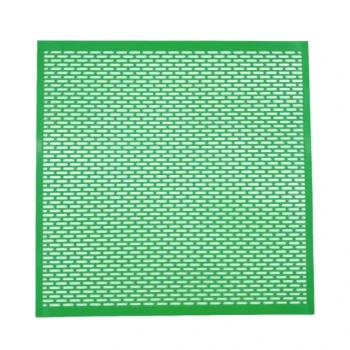
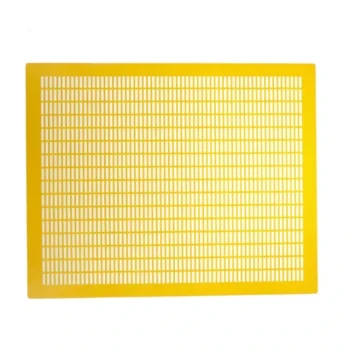
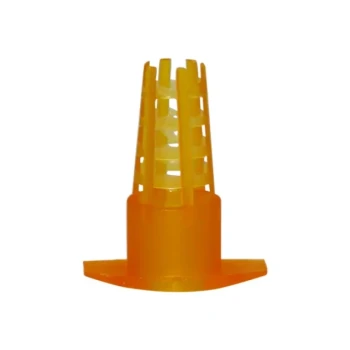
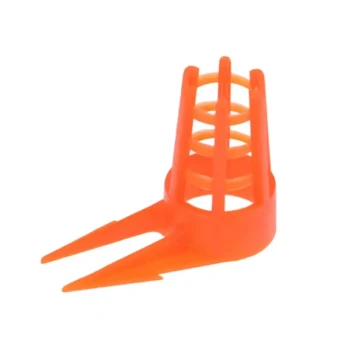
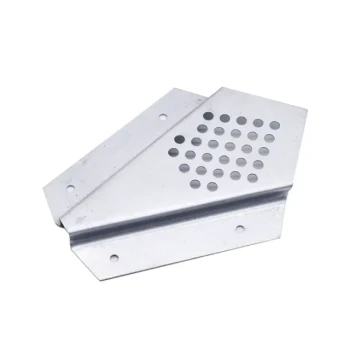
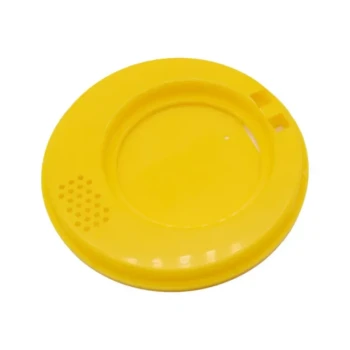
In field experiments studying drone drifting behavior, a queen excluder or cage serves as a critical containment mechanism. Its primary purpose is to physically restrict the movement of introduced drones, forcing them to remain inside a new host colony for a specific duration, typically around 48 hours. This confinement is essential to facilitate social acceptance by the host bees and to prevent the immediate loss of experimental subjects due to flight.
The use of a queen excluder or cage acts as a mandatory integration period. By forcing proximity between introduced drones and the host colony, it prevents immediate departure and ensures the data subjects remain available for observation.
The Mechanics of Controlled Introduction
To understand why this equipment is necessary, one must look at the natural behavior of drones and the requirements of scientific data collection.
Facilitating Social Integration
When drones are introduced to a foreign colony, immediate acceptance is not guaranteed. By utilizing a queen cage or excluder, researchers force the drones to share the same physical space as the host colony's workers.
This forced proximity allows time for the colony to acclimate to the new drones. It bridges the gap between introduction and acceptance, reducing the likelihood of aggression or rejection.
Preventing Data Loss
Drones are naturally mobile and inclined to fly. Without a physical barrier, introduced drones often attempt to leave the hive immediately.
If the drones fly away upon introduction, the sample size of the experiment is compromised instantly. The excluder ensures the subject pool remains intact long enough for the experiment to begin in earnest.
Establishing Experimental Baselines
Just as researchers use weighing equipment to balance colony reserves—eliminating strength as a variable—the excluder eliminates early migration as a variable.
It standardizes the "start time" of the experiment. This ensures that any drifting behavior observed later is a result of natural tendencies, not an immediate reaction to the shock of introduction.
Understanding the Trade-offs
While necessary for data retention, using containment devices introduces specific constraints that researchers must manage.
Managing Artificial Stress
Confining bees creates an artificial environment that differs from their natural state. The confinement period must be carefully calculated (e.g., 48 hours).
If the confinement is too short, the drones may not be accepted; if too long, the stress of confinement could alter their subsequent behavior or health.
Equipment Limitations
While a bee smoker is used to calm bees during inspections, it does not prevent flight. Therefore, mechanical barriers like excluders are the only reliable method for retention.
However, standard excluders designed for queens may vary in efficacy depending on the size of the drones. Ensuring the mesh size effectively stops drones without hindering workers is a critical logistical detail.
Making the Right Choice for Your Goal
Whether you are conducting a scientific study or managing a standard apiary, the utility of a queen excluder depends on your specific objective.
- If your primary focus is Data Retention in Experiments: Prioritize using a cage or excluder to force a 48-hour integration period, ensuring your sample size does not vanish immediately.
- If your primary focus is Queen Breeding: Utilize excluders to partition the hive, allowing for queen cell construction or multi-queen housing without focusing on drone containment.
Effective experimentation requires balancing natural behavior with the controls necessary to capture accurate data.
Summary Table:
| Feature | Purpose in Drone Drifting Experiments | Impact on Data Accuracy |
|---|---|---|
| Physical Containment | Prevents immediate flight and loss of drones | Preserves sample size for observation |
| Social Integration | Forces 48-hour proximity with host colony | Reduces rejection and ensures colony acceptance |
| Variable Control | Eliminates early migration as a factor | Standardizes experimental start times |
| Stress Management | Balances integration with natural behavior | Maintains subject health when timed correctly |
Elevate Your Apiary Operations with HONESTBEE
Precision is key in beekeeping, whether you are conducting scientific field experiments or managing a large-scale commercial operation. HONESTBEE specializes in providing commercial apiaries and distributors with high-quality, durable equipment designed for professional use.
Our extensive portfolio includes:
- Advanced Machinery: Hive-making and honey-filling machines for streamlined production.
- Precision Tools: High-spec queen excluders, cages, and essential hardware.
- Industry Consumables: A full spectrum of supplies to keep your colonies thriving.
- Cultural Merchandise: Unique honey-themed products to expand your market reach.
Partner with a supplier that understands the technical demands of the bee industry. Contact HONESTBEE today to discuss our wholesale offerings and how we can support your growth.
References
- Adrian Perez, Brian R. Johnson. Vector Potential of Nosema-Infected Drones in Honey Bees. DOI: 10.3390/insects16111142
This article is also based on technical information from HonestBee Knowledge Base .
Related Products
- High Performance Plastic Queen Excluder for Beekeeping and Apiary Management
- Lightweight Durable Plastic Queen Excluder Scraper for Beekeeping
- Premium Wood Framed Metal Wire Queen Bee Excluder
- Professional Plastic Queen Excluder for Modern Beekeeping
- Metal Queen Bee Excluder for Beekeeping
People Also Ask
- What are the characteristics of a plastic queen excluder? Key Benefits for Cost-Effective Beekeeping
- What are the operational and cost advantages of using plastic queen excluders over metal or wire excluders in commercial hive management? Discover how they reduce labor, prevent wing damage, and lower total costs.
- What types of queen excluders are available for beekeepers? Choose the Right Tool for Your Hive
- Why are standardized hive frames and queen excluders essential for maintaining honey purity and quality? Scale Your Purity
- Do plastic queen excluders work? A Cost-Effective Solution for Modern Apiaries