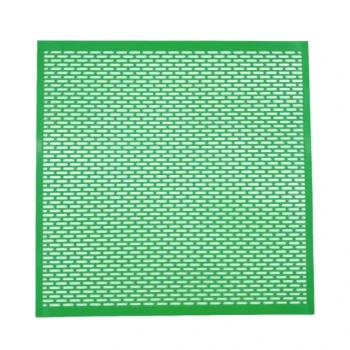
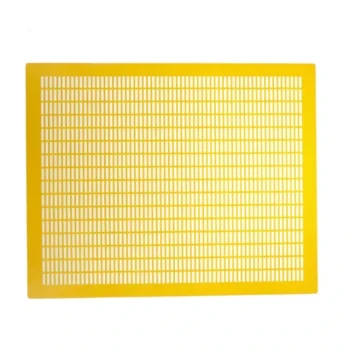
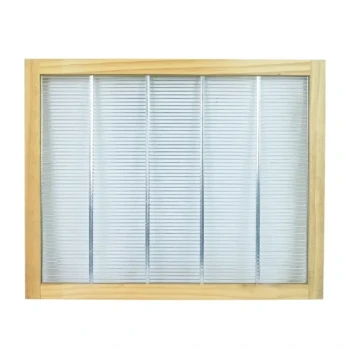
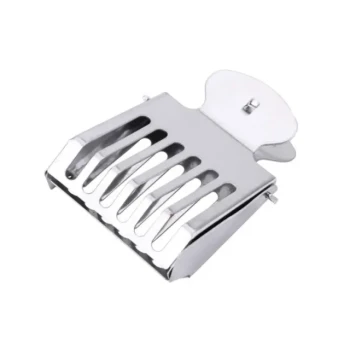
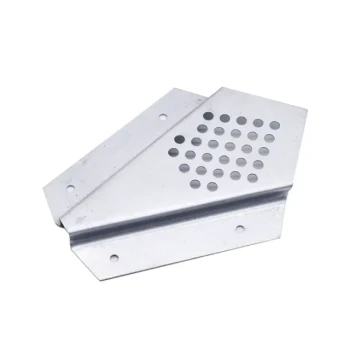
A queen excluder serves as a selective mechanical barrier. When placed between the brood box and a honey super, its sole purpose is to confine the queen to the lower section of the hive. This ensures she cannot enter the upper boxes to lay eggs, keeping the honey supers dedicated exclusively to food storage.
By leveraging the size difference between the queen and worker bees, an excluder guarantees that your harvestable frames contain only pure honey. This separation prevents the contamination of honey stores with developing larvae and simplifies the extraction process.
The Mechanics of Exclusion
Exploiting Physical Differences
The excluder operates on a simple biological principle: size variation between bee castes. The queen’s thorax is significantly larger than that of a standard worker bee.
Precision Engineering
To exploit this size difference, excluders are manufactured with a specific grid spacing, typically between 4.1 and 4.4 millimeters.
Selective Traffic Flow
This specific dimension allows smaller worker bees to pass through freely to store nectar in the upper supers. Simultaneously, it physically blocks the larger queen, effectively locking her in the brood chamber below.
Why Separation Matters for Extraction
Ensuring Honey Purity
The primary goal of the excluder is to keep the honeycombs in the supers free of eggs and larvae. If the queen were allowed to lay in the supers, the resulting harvest would contain brood, leading to "impure" honey and a messy extraction.
Protecting the Colony During Harvest
Separation is crucial for the ethics and mechanics of extraction. In systems like plastic flow frames, the presence of brood is disastrous; activating the harvesting mechanism would crush developing bees. Even in traditional extraction, spinning frames containing brood can damage the larvae and contaminate the honey.
Understanding the Trade-offs
Potential for Swarming
While excluders offer control, they also impose restrictions. By physically limiting the size of the brood nest, you may inadvertently cause congestion in the lower box. If the colony feels they have run out of space for new bees, it increases the likelihood of swarming.
Not Always 100% Effective
Excluders are reliable, but not infallible. A particularly small or undersized virgin queen may occasionally squeeze through the mesh. Additionally, damage to a metal or plastic excluder can create gaps large enough for a queen to breach the barrier.
Workflow Considerations
Some beekeepers argue that excluders can slow down the workers, as squeezing through the mesh requires effort. This is often debated, but it is a factor to consider when evaluating honey production speed versus honey purity.
Making the Right Choice for Your Goal
The decision to use an excluder depends on what you are optimizing for in your apiary.
- If your primary focus is pure honey harvest: Use an excluder to ensure your supers contain 100% honey with zero risk of brood contamination.
- If your primary focus is maximum colony population: You may choose to omit the excluder to give the queen unrestricted access to lay, accepting that some honey frames may be sacrificed for brood.
- If your primary focus is using Flow Frames: You must use an excluder to prevent mechanically crushing brood during the tapping process.
Ultimately, the queen excluder is a tool for organization, allowing you to dictate exactly where the colony rears its young and where it stores your surplus.
Summary Table:
| Feature | Purpose / Benefit | Consideration |
|---|---|---|
| Mechanism | Grid spacing (4.1-4.4mm) exploits size differences | Blocks queen, allows workers |
| Honey Purity | Keeps brood out of honey supers | 100% pure honey for extraction |
| Protection | Prevents crushing larvae in flow frames | Essential for mechanical harvesting |
| Hive Management | Defines brood and storage zones | May increase swarming if congested |
Elevate Your Apiary's Productivity with HONESTBEE
At HONESTBEE, we specialize in empowering commercial apiaries and distributors with the high-precision tools necessary for professional honey production. Whether you need durable queen excluders, advanced honey-filling machines, or industrial-grade hive-making equipment, our comprehensive wholesale catalog is designed to optimize your workflow.
From essential consumables to specialized hardware and honey-themed merchandise, we provide the full spectrum of beekeeping solutions tailored to your business growth.
Ready to scale your honey harvest? Contact our expert team today to discuss how our premium equipment and machinery can drive your success.
Related Products
- High Performance Plastic Queen Excluder for Beekeeping and Apiary Management
- Professional Plastic Queen Excluder for Modern Beekeeping
- Lightweight Durable Plastic Queen Excluder Scraper for Beekeeping
- Metal Queen Bee Excluder for Beekeeping
- Premium Wood Framed Metal Wire Queen Bee Excluder
People Also Ask
- What are the characteristics of a plastic queen excluder? Key Benefits for Cost-Effective Beekeeping
- What are the operational and cost advantages of using plastic queen excluders over metal or wire excluders in commercial hive management? Discover how they reduce labor, prevent wing damage, and lower total costs.
- What types of queen excluders are available for beekeepers? Choose the Right Tool for Your Hive
- Why are standardized hive frames and queen excluders essential for maintaining honey purity and quality? Scale Your Purity
- Do plastic queen excluders work? A Cost-Effective Solution for Modern Apiaries