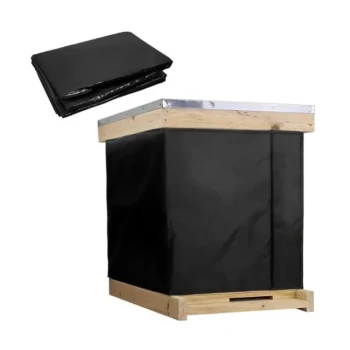
The primary purpose of using insulation pillows filled with natural materials is to provide essential thermal regulation for bee colonies while adhering to strict biological beekeeping standards. These pillows serve as a protective barrier against low-temperature stress, ensuring the hive maintains a stable internal environment without introducing synthetic contaminants.
By maintaining the colony's core temperature, these pillows significantly reduce the energy bees must expend to generate heat. This conservation of energy leads to lower winter feed consumption and higher survival rates for the colony.
The Mechanics of Winter Thermal Regulation
Maintaining Core Temperature
The primary function of an insulation pillow is to act as a thermal barrier. When placed inside the hive box, it prevents heat loss, helping the bee cluster maintain its necessary core temperature during freezing conditions.
Reducing Energy Expenditure
When a hive is properly insulated, worker bees do not have to work as hard to generate heat. This reduction in physical exertion preserves the bees' physiological reserves, which is critical for their longevity through the winter.
Lowering Feed Consumption
Because the bees expend less energy on heating, their metabolic needs decrease. Consequently, the overall consumption of winter feed reserves drops, lessening the risk of starvation before spring.
Why Natural Materials Are Essential
Compliance with Biological Regulations
For beekeepers adhering to biological or organic standards, synthetic insulation is strictly prohibited. Natural fillers are the only compliant option for providing necessary thermal protection.
Preventing Contamination
Using natural materials ensures the internal hive environment remains pure. This eliminates the risk of synthetic contaminants leaching into the hive, protecting the integrity of the colony and its products.
Strategic Implementation and Considerations
Targeting Vulnerable Colonies
While useful for many hives, insulation pillows are particularly critical for weak bee colonies. These colonies often lack the population density to generate sufficient heat on their own and require this external aid to survive.
Optimal Timing for Placement
Insulation is not a year-round fixture. It is typically effective when placed inside the hive from late October through February, covering the coldest months and protecting against damp, cold nights.
Space Requirements
Effectiveness depends on proper fit. The hive must have adequate internal space to accommodate the pillow without compressing the bees or blocking essential ventilation paths.
Making the Right Choice for Your Goal
To determine if insulation pillows with natural fillers are the right strategy for your apiary, consider your specific objectives:
- If your primary focus is biological certification: You must use natural material pillows to remain compliant, as synthetic insulation is prohibited.
- If your primary focus is colony survival: Prioritize these pillows for your weaker colonies to artificially boost their heat retention and reduce physical stress.
- If your primary focus is resource efficiency: Use these pillows to reduce the amount of supplemental feed required by the colony during the winter months.
Proper insulation transforms the winter hive from a survival struggle into a period of conservation and rest.
Summary Table:
| Feature | Benefit for Bee Colony | Importance for Beekeepers |
|---|---|---|
| Thermal Barrier | Maintains core temperature during freezing weather | Reduces winter colony loss rates |
| Natural Fillers | Prevents synthetic contamination of the hive | Ensures compliance with biological/organic standards |
| Energy Conservation | Reduces metabolic stress and physical exertion | Lowers overall winter feed consumption |
| Targeted Support | Boosts survival for smaller, vulnerable colonies | Optimizes apiary health across different hive strengths |
Maximize Your Colony Survival with HONESTBEE
Transitioning your apiary through winter requires more than just luck—it requires the right equipment. At HONESTBEE, we specialize in supporting commercial apiaries and distributors with a full spectrum of professional beekeeping tools and machinery.
Whether you need hive-making equipment to build perfectly sized insulated spaces, honey-filling machines to prepare for the spring harvest, or high-quality consumables that meet strict biological standards, we have you covered. Our wholesale solutions are designed to enhance your operational efficiency and ensure your colonies thrive.
Ready to scale your beekeeping business? Contact us today to explore our comprehensive wholesale offerings!
References
- Ilga Krampuža. THE DEVELOPMENT PROBLEMS OF BIOLOGICAL BEEKEEPING. DOI: 10.17770/etr2021vol1.6532
This article is also based on technical information from HonestBee Knowledge Base .
Related Products
- Professional Insulated Winter Hive Wrap for Beekeeping
- Inner Beehive Cover for Beekeeping Bee Hive Inner Cover
- Professional Insulated Plastic Bee Hives
- Professional Galvanized Steel Frame Rest for Beehives
- Three-Layer Ventilated Beekeeper Suit with Structured Fencing Veil
People Also Ask
- What are the steps to properly wrap a beehive for winter? Ensure Your Colony Survives the Cold
- When is the best time to wrap a beehive for winter? A Guide to Perfect Winterization Timing
- How do professional insulation wraps provide protection for bee colonies? Optimize Winter Survival & Energy Efficiency
- What are the technical benefits of using winter wraps for beehive insulation? Boost Colony Survival & Hive Health
- What are the benefits of using insulated covers for hives? Ensure Colony Survival and Health