The industry standard is to wait at least one full week before performing a complete internal inspection. After installing a new honeybee colony, you should avoid all disturbances for seven days to allow the bees to settle without the added stress of external interference.
Allowing the colony to stabilize is more critical than immediate curiosity. The one-week buffer provides the bees necessary time to adjust to their new environment and repair minor structural issues without the panic caused by an early inspection.
The Importance of the Settling Period
Reducing Colony Stress
Moving and installing a colony is a traumatic event for bees. The vibration of transport and the exposure to a new location significantly elevate stress levels within the hive.
Immediate disturbances exacerbate this stress. By leaving the hive closed for a week, you allow the colony's pheromone balance and temper to normalize.
Facilitating Environmental Adjustment
Bees rely on spatial memory and environmental cues to forage and defend their home. The first week is crucial for them to learn the orientation of their new location.
During this time, the colony also focuses on repairing minor structural damage that may have occurred during transit. Interrupting this work can set back the colony's development.
Distinguishing Between Arrival and Inspection
The 10-Minute Rule for Entrances
It is important not to confuse opening the hive entrance with a full inspection. After physically placing the hive in its final location, you should wait at least 10 minutes before opening the entrance.
This brief pause allows the bees to settle from the immediate vibrations of physical transport before they fly out.
The One-Week Rule for Internal Exams
While the entrance is opened shortly after arrival, the internal components (frames) should remain untouched.
A full inspection involves pulling frames and checking brood, which is invasive. This should only be done after the full seven-day settling period has elapsed.
Common Pitfalls to Avoid
Inspecting Too Early
The most common mistake new beekeepers make is checking the hive within the first few days. Curiosity can be damaging.
Premature inspections disrupt the bees' establishing workflow. This interference prevents them from effectively organizing their new space and can prolong the period of instability.
Ignoring the "Do Not Disturb" Sign
Effective management requires patience. While regular monitoring is essential for established hives (to check brood and honey), a new installation requires a "hands-off" approach.
Assume the hive is fragile during this window. Do not lift the lid or disturb the boxes unless absolutely necessary for an emergency intervention.
Guidelines for Successful Establishment
If your primary focus is immediate arrival:
- Wait at least 10 minutes after placing the hive to open the entrance, allowing vibrations to cease.
If your primary focus is colony health:
- Wait at least one full week before opening the hive for an internal inspection to ensure the bees have acclimated.
If your primary focus is long-term maintenance:
- Resume regular inspections only after the initial one-week settling period is complete to monitor brood development and stores.
Patience during the first week is the single most effective tool you have to ensure your new colony thrives.
Summary Table:
| Activity Phase | Recommended Wait Time | Purpose of Waiting Period |
|---|---|---|
| Opening Entrance | 10 Minutes | Allows vibrations to cease; bees settle before first flight |
| Full Internal Inspection | 7 Days (1 Week) | Reduces colony stress; permits pheromone and environment adjustment |
| Structural Repairs | Ongoing (Week 1) | Bees repair transit damage and stabilize internal honeycomb |
| Regular Maintenance | After Day 7 | Monitor brood development and food stores without causing panic |
Elevate Your Apiary Success with HONESTBEE
Starting a new colony requires patience and the right professional equipment. At HONESTBEE, we specialize in supporting commercial apiaries and distributors with high-performance beekeeping tools and machinery.
Whether you need precision hive-making machines, efficient honey-filling lines, or a reliable supply of essential consumables, our comprehensive wholesale offering is designed to scale your operations. From specialized hardware to honey-themed cultural merchandise, we provide everything required to turn a new installation into a thriving commercial success.
Ready to professionalize your beekeeping business? Contact our expert team today to discuss how our tailored equipment solutions can enhance your productivity.
Related Products
- HONESTBEE Entrance Bee Feeder Professional Hive Nutrition Solution for Beekeeping
- Langstroth Honey Bee Box Hive Boxes for Different Depths
- HONESTBEE Anatomy Bee Model Detailed Anatomical Display for Education and Study
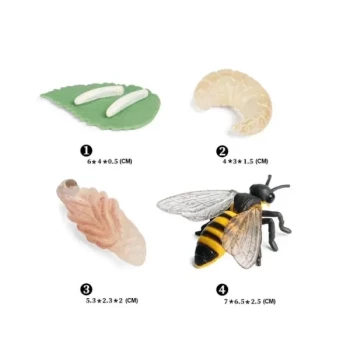
- Honey Bee Lifecycle Model: A Detailed Honeycomb Display of Bee Development
- HONESTBEE Professional Hive Top Bee Feeder Feeding Solution
People Also Ask
- What types of bee feeders are available for beginners? Start with the Simple Entrance Feeder
- What are the advantages and disadvantages of using an entrance feeder for bees? Balance Convenience and Hive Security.
- What is a bee entrance feeder and what are its drawbacks? Essential Guide to Hive Security and Feeding Efficiency
- How does a bee entrance feeder work? A Simple Guide to Convenient Hive Feeding
- How to make an entrance feeder for bees? A DIY Guide for Safe & Effective Feeding