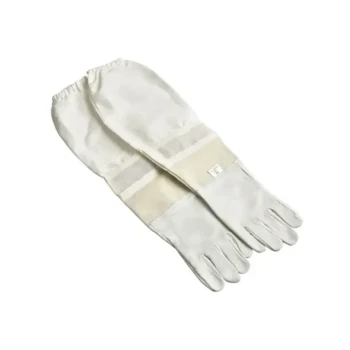
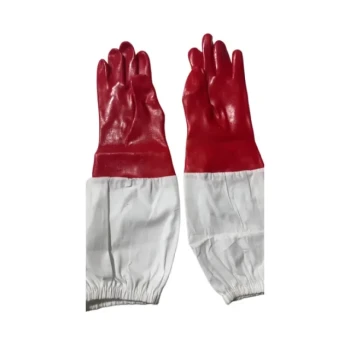
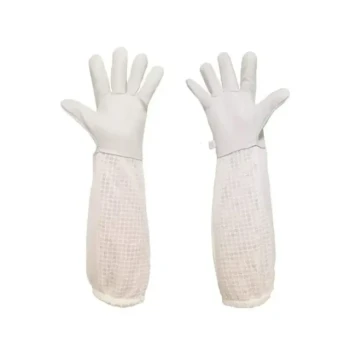
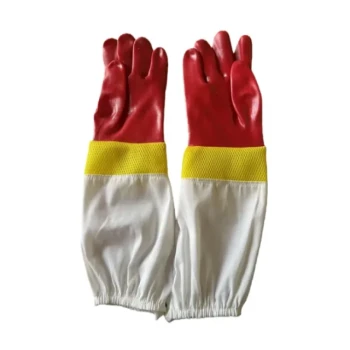
The most effective method for cleaning heavy-duty leather beekeeping gloves is to wash them while wearing them, treating the leather as if it were your own skin. You should use lukewarm water and a mild soap, such as dish detergent, to gently remove debris without stripping the material of its essential properties.
Core Takeaway Leather beekeeping equipment requires a delicate balance between hygiene and material preservation; you must remove sticky propolis and wax without drying out the hide. The key to longevity is a gentle hand-wash followed immediately by air drying and the application of a leather conditioner to restore flexibility.
The Core Cleaning Process
Preparation and Setup
Begin by preparing a source of lukewarm water and a mild soap. Avoid strong laundry detergents or bleach, as these can chemically burn the leather and degrade the stitching.
The "Hands-On" Technique
Put the gloves on before you begin washing. Wearing the gloves fills out the material, providing resistance that makes it easier to scrub the surface effectively. This method allows you to access stains and reach difficult areas that might collapse if you were washing the gloves empty.
Targeting Debris and Propolis
Use a soft scrub brush, toothbrush, or a soapy cloth to gently work the cleaner into the leather. Focus your efforts on creases, seams, and areas with heavy wax or propolis buildup. For particularly stubborn propolis, the primary goal is mechanical removal with the brush rather than chemical dissolution.
Rinsing Thoroughly
Once the debris is loosened, rinse the gloves thoroughly under running water. It is critical to remove all soap residue, as leftover detergent acts as a drying agent that will cause the leather to crack over time.
Drying and Maintenance
Proper Air Drying
Never place leather gloves in a washing machine or a mechanical dryer. After rinsing, gently squeeze out excess water—do not wring them aggressively—and hang them to dry in a shaded area. Direct sunlight or high heat will cause the wet leather to shrink and harden.
Restoring Suppleness
Washing removes natural oils along with the dirt, which can leave leather stiffness. Once the gloves are dry, you must apply a leather conditioner, such as mink oil or a dedicated leather cream. Massage the conditioner into the leather to ensure the gloves remain soft, flexible, and safe for use.
Common Pitfalls to Avoid
The Danger of Heat sources
Avoid expediting the drying process with hair dryers, radiators, or direct sun. Rapid evaporation forces the fibers to tighten, resulting in gloves that are uncomfortable and prone to tearing.
Ignoring Material Differences
While the washing process is similar, note that goat leather typically dries faster and absorbs conditioner more readily than cowhide. Monitor the drying process closely so you can apply conditioner as soon as the moisture has evaporated.
Over-Soaking
While water is necessary for cleaning, do not leave leather gloves submerged in a bucket for extended periods. Excessive soaking can waterlog the deeper layers of the hide, making it difficult to dry properly and increasing the risk of mold.
Making the Right Choice for Your Goal
To ensure your equipment serves you well for seasons to come, align your post-wash care with your specific needs:
- If your primary focus is longevity: Prioritize the application of a high-quality leather conditioner (like mink oil) immediately after every wash to prevent cracking.
- If your primary focus is hygiene and disease control: Ensure you use a soft toothbrush to physically dislodge all propolis from the seams where bacteria or pests could harbor.
Treat your gloves with the same care you treat your bees, and they will protect you for years.
Summary Table:
| Step | Action | Key Tool/Material |
|---|---|---|
| Preparation | Put gloves on and use lukewarm water | Mild soap (dish detergent) |
| Scrubbing | Target propolis and wax in seams | Soft scrub brush or toothbrush |
| Rinsing | Remove all soap residue thoroughly | Cool or lukewarm running water |
| Drying | Air dry in a shaded area (no heat) | Hanging rack |
| Conditioning | Apply oil/cream once dry | Mink oil or leather conditioner |
Elevate Your Beekeeping Operation with HONESTBEE
At HONESTBEE, we understand that high-quality gear is the backbone of a successful apiary. Whether you are managing a commercial enterprise or distributing professional-grade equipment, our comprehensive wholesale catalog provides everything from premium leather protective gear to advanced honey-filling machines and hive-making hardware.
Why partner with HONESTBEE?
- Full Spectrum Supply: We offer a complete range of beekeeping tools, machinery, and industry consumables.
- Commercial Expertise: Tailored solutions for large-scale apiaries and global distributors.
- Quality Guarantee: Durable equipment designed to withstand the rigors of the field.
Ready to upgrade your inventory or optimize your honey production? Contact us today to discuss our wholesale offerings and discover how we can support your business growth.
Related Products
- Goatskin Leather Beekeeper Gloves with Vent Long Sleeve for Beekeeping Honey Bee Sting Proof Protection
- Beekeeping Gloves Goatskin Leather with Long Cotton Sleeve for Beekeepers
- Goat Skin Leather Bee Sting Proof Beekeeping Gloves with Canvas Sleeve
- Heavy Duty Red Rubber Beekeeping Gloves with Extended Pure Cotton Sleeves for Beekeepers
- Premium Ventilated Goatskin Beekeeping Gloves with Full 3-Layer Mesh Sleeve
People Also Ask
- What are the characteristics of goatskin beekeeping gloves? Enhance Dexterity and Protection in Your Apiary
- Why is it important to have gloves available even if not always worn? Essential Risk Management for Beekeepers
- What are the primary purposes of using beekeeping gloves? Protect Your Hands and Ensure Apiary Hygiene
- Why do some experienced beekeepers opt not to wear gloves? Discover the Benefits of Tactile Precision
- Why is it important for beekeepers to wear gloves? Essential Safety and Confidence for Hive Management