High-precision pipettes and micro-glass capillary tubes function as a calibrated measurement system to determine the exact nutritional requirements of stingless bee larvae. While the pipette serves as the primary standard for volume calibration, the capillary tube is the practical tool used to extract and measure minute quantities of food from natural brood cells.
Core Takeaway Successful artificial queen rearing relies on replicating the exact nutritional conditions of a natural hive. This requires a two-step process: using pipettes to calibrate capillary tubes for measuring natural food volumes, and then using that data to deliver precise, standardized dosages to artificial cells.
Establishing the Nutritional Standard
The Role of Calibration
The high-precision pipette is not merely a transfer tool; it acts as the reference standard. Before any natural data can be collected, the pipette is used to calibrate the volume of the micro-glass capillary tubes.
Extraction from Natural Brood
Once calibrated, the micro-glass capillary tubes are used to extract larval food from natural cells. Because these tubes are physically slender, they can navigate small brood structures to withdraw fluid without significant loss or contamination.
Defining the Dosage
The data gathered from this extraction process provides a scientific basis for artificial rearing. By measuring the volume in natural cells, breeders can determine the exact dosage required—such as 66 μL—to support the development of a healthy queen.
From Measurement to Production
Precise Distribution
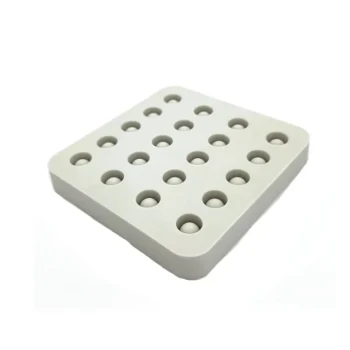
Once the required dosage (e.g., 66 μL) is known, manual adjustable volume pipettes—typically in the 10 to 100 μL range—are used for the second phase: production. These pipettes distribute homogenized larval food into the wells of queen rearing plates.
Ensuring Nutritional Balance
The adjustable pipette ensures that the volume remains consistent across every well. This eliminates variability, ensuring that every larva receives the exact nutritional balance necessary for development.
Standardization of Queens
This precise distribution directly influences the success rate of the rearing process. By maintaining strict volume controls, breeders can produce standardized queen bees rather than individuals of varying quality and size.
Understanding the Trade-offs
Equipment Sensitivity
Working with volumes as small as 10–100 μL requires equipment that is properly maintained. If a pipette loses calibration, the entire batch of queens may suffer from malnutrition or overfeeding.
The Human Element
While the tools are precise, the method relies on manual handling. The extraction of food using capillary tubes requires steady hands to avoid damaging natural cells or introducing air bubbles that could skew measurement data.
Making the Right Choice for Your Goal
To apply these tools effectively, consider your immediate objective:
- If your primary focus is establishing a protocol: Prioritize the use of pipettes to calibrate capillary tubes, ensuring your baseline data on natural food volume is accurate.
- If your primary focus is mass production: Focus on the repeatability of the adjustable volume pipette to ensure every artificial well receives the exact same dosage for uniform queen quality.
Precision in measurement is the only bridge capable of translating natural hive conditions into successful artificial rearing.
Summary Table:
| Tool Type | Primary Role | Key Benefit |
|---|---|---|
| High-Precision Pipette | Reference Calibration | Establishes volume standards (e.g., 66 μL) |
| Micro-Glass Capillary Tube | Natural Food Extraction | Withdraws fluid from small cells without loss |
| Adjustable Volume Pipette | Mass Distribution | Ensures uniform nutritional balance across all wells |
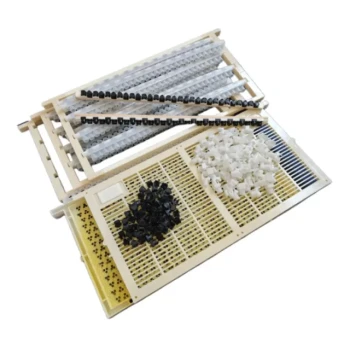
| Queen Rearing Plates | Incubation Environment | Provides a standardized space for larval growth |
Elevate Your Bee Breeding Success with HONESTBEE
At HONESTBEE, we specialize in empowering commercial apiaries and distributors with the high-precision tools necessary for advanced beekeeping operations. Whether you are scaling up stingless bee queen production or managing large-scale honey production, our comprehensive wholesale offering includes everything from specialized hive-making and honey-filling machinery to a full spectrum of essential beekeeping consumables and hardware.
Don't let inconsistent nutritional dosages limit your hive's potential. Partner with HONESTBEE for the industry-leading equipment and cultural merchandise that drive efficiency and quality.
Contact us today to explore our wholesale solutions!
References
- Charles Fernando dos Santos, Betina Blochtein. In vitro rearing of stingless bee queens and their acceptance rate into colonies. DOI: 10.1007/s13592-015-0398-2
This article is also based on technical information from HonestBee Knowledge Base .
Related Products
- No Grafting Queen Rearing Kit: System for Royal Jelly Production and Queen Rearing
- Stainless Steel Beekeeping Queen Grafting Tool for Honey Bee Rearing
- One Hand Yellow Queen Marking Catcher Tube Cage Beekeeper Tool Accessory for Queen Bee
- Plastic Long Marker Device for Catching and Marking Bees Queen Bee Marking Tube and Cage
- Plastic Beekeeping Honey Bee Larvae Grafting Tools for Queen Rearing and Chinese Grafting
People Also Ask
- What is the primary function of a queen rearing kit? Eliminate Manual Grafting for Superior Bee Breeding
- How do specialized queen rearing kits and queen management tools improve the success rate of bee colony expansion?
- What are some alternative methods to grafting for queen cell production? Discover Graft-Free Queen Rearing Systems
- Are queen rearing systems generally suitable for all honeybee species? Master Efficient Breeding Methods
- Are queen rearing systems suitable for all beekeepers? Modern Tools for Every Experience Level