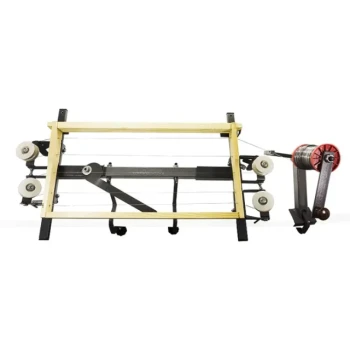
Professional beekeeping tools and equipment function as an extension of the colony's natural immune system. They are engineered to simulate the superorganism's biological defense mechanisms while minimizing the specific risks of cross-infection introduced by human intervention.
Core Takeaway In commercial settings, the primary hygiene role of mechanized equipment is to preserve the colony's biological integrity. By standardizing operations and reducing manual handling, these tools maintain immune homeostasis and prevent the spread of pathogens that often thrive in artificial breeding environments.
Reinforcing the Superorganism’s Defense
Simulating Natural Hygiene
Professional tools are designed to reinforce the natural hygiene defense mechanisms of the bee superorganism. Rather than simply acting as cleaning implements, high-quality equipment helps the colony maintain its biological integrity even when subjected to the stress of artificial breeding. This support is critical for sustaining the colony's immune homeostasis.
Reducing Human-Induced Contamination
In a commercial apiary, human intervention is the most significant vector for cross-infection. Utilizing mechanized equipment for hive inspection and waste management drastically reduces the frequency and intrusiveness of direct human contact. By automating these processes, beekeepers minimize the biological footprint they leave on the hive environment.
Minimizing Colony Disturbance
Professional equipment optimizes the internal hive environment by minimizing physical disturbances to the colony. Lower disturbance levels reduce stress on the bees, allowing them to allocate more energy toward their natural hygienic behaviors rather than defensive maneuvers.
The Role of Standardization in Disease Control
Precision and Modularity
Professional manufacturing machines ensure that hive bodies and frames have precise, standardized dimensions. This modularity allows frames to be interchangeable across different hives without gaps or misalignments. Precise fit is essential for hygiene, as it eliminates irregular spaces where pests and pathogens often accumulate.
Material Integrity and Infection Prevention
High-quality maintenance consumables, such as durable wood and rust-proof wires, act as a physical barrier against disease. Regular use of these professional materials to repair hives effectively prevents the spread of honeybee diseases, specifically larval infections. A structurally sound hive provides the stable environment necessary for healthy brood rearing.
Efficient Waste and Pest Management
Mechanized tools improve the precision of honeycomb processing and pest control. By handling these tasks with industrial accuracy, beekeepers can manage waste and potential disease vectors more effectively than through manual labor alone. This directly contributes to a reduction in production disparities and disease rates between different regions.
Understanding the Trade-offs
The Risk of Mechanized Transmission
While mechanization reduces human contact, the equipment itself can become a vector if not managed correctly. Because professional tools allow for rapid movement between hives, a single contaminated tool can spread pathogens across an entire apiary faster than manual methods. Rigorous sterilization protocols for the equipment itself are mandatory to realize the hygiene benefits.
Balancing Efficiency with Observation
Standardized equipment significantly reduces labor intensity and time spent per hive. However, there is a risk that increased speed can lead to decreased observational diligence. Beekeepers must ensure that the efficiency gained from professional tools is reinvested into focused monitoring for early signs of disease, rather than simply increasing colony counts beyond manageable limits.
Making the Right Choice for Your Goal
To maximize hygiene and productivity in a commercial apiary, align your equipment choices with your specific operational focus.
- If your primary focus is Disease Prevention: Prioritize high-quality maintenance consumables and rust-proof hardware to eliminate physical defects that harbor larval infections.
- If your primary focus is Operational Scale: Invest in standardized, modular hive components and mechanized processing tools to reduce labor intensity and minimize human-vector cross-infection.
Professional standardization is not just about efficiency; it is the biological firewall that allows commercial apiaries to expand without compromising colony health.
Summary Table:
| Hygiene Function | Mechanism of Action | Impact on Commercial Apiaries |
|---|---|---|
| Immune Homeostasis | Simulates superorganism defenses | Reduces stress and supports natural hygienic behavior |
| Standardization | Modular, precision hive dimensions | Eliminates gaps where pests and pathogens accumulate |
| Infection Control | High-quality material integrity | Prevents the spread of larval diseases and physical defects |
| Mechanization | Minimizes manual human intervention | Reduces the risk of human-induced cross-contamination |
Elevate Your Apiary's Health with HONESTBEE
Maintaining a biological firewall requires more than just tools—it requires professional-grade precision. HONESTBEE provides commercial apiaries and distributors with a comprehensive suite of high-performance beekeeping machinery and essential consumables designed for scale and hygiene.
Whether you need specialized hive-making machines, honey-filling equipment, or durable maintenance hardware, our portfolio is engineered to eliminate production disparities and secure colony health.
Ready to scale your operations without compromising on quality?
Contact HONESTBEE Today to explore our wholesale solutions and discover how our equipment can reinforce your apiary's defense system.
References
- Christopher D. Pull, Dino P. McMahon. Superorganism Immunity: A Major Transition in Immune System Evolution. DOI: 10.3389/fevo.2020.00186
This article is also based on technical information from HonestBee Knowledge Base .
Related Products
- Professional Bee Smoker with Elongated Spout and Durable Bellows for Beekeeping
- HONESTBEE Professional Mini J-Hook Hive Tool for Beekeeping
- Professional 600D Oxford Cloth Beekeeping Tool Bag with 8 Pockets and Elastic Loops
- Professional Stainless Steel J-Hook Hive Tool
- Stainless Steel J Hook Hive Tool for Beekeeping
People Also Ask
- What roles do bee smokers and precision tools play in honey harvesting? Master Safety and Quality Control
- Why is the use of professional bee smokers and specialized fuel essential? Protect Honey Purity & Colony Safety
- Why is a professional bee smoker considered an essential tool for hive management and safety? Master Colony Control.
- What is the mechanism by which a professional bee smoker assists in colony management? Boost Hive Safety and Efficiency
- Why is a professional bee smoker essential for hive maintenance? Master Colony Control & Safety