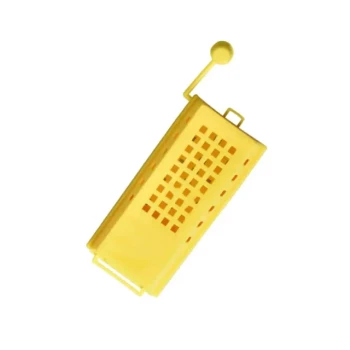
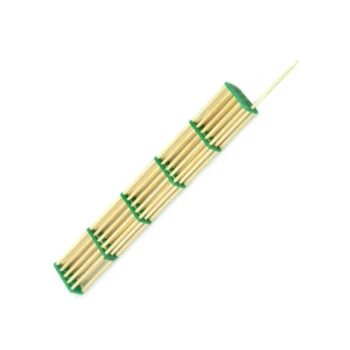
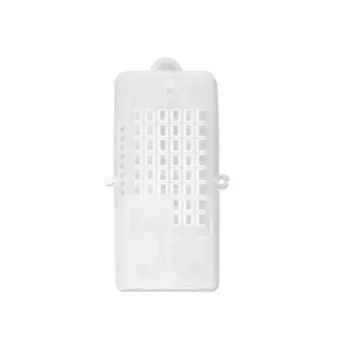
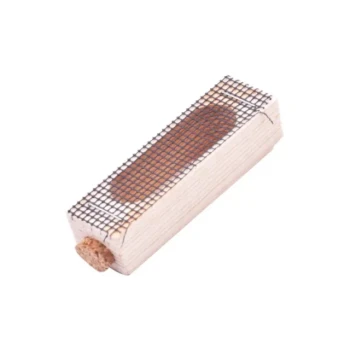
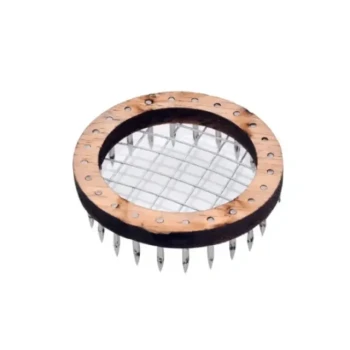
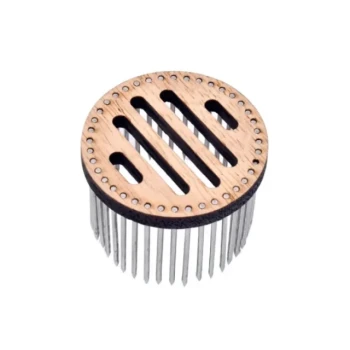
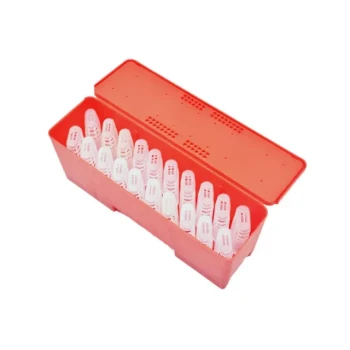
The primary significance of breeding cages lies in their role as a critical biological defense layer for Trigona stingless bee populations. These structures are not merely housing; they function as a physical shield that isolates colonies from immediate environmental threats. By establishing a secure perimeter, breeding cages directly influence the survival rate of the hive by mitigating predation and chemical exposure.
The breeding cage acts as a fundamental protective barrier, securing the colony against natural predators and anthropogenic threats like pesticides to ensure population stability.
The Role of Biological Defense
To understand the value of breeding cages, one must look at the specific threats that decimate Trigona populations in unprotected environments. The cage transforms the apiary from a vulnerable open space into a managed sanctuary.
Isolation from Natural Predators
In a natural or unmanaged setting, stingless bees are constant targets for local fauna. Lizards, geckos, and ants are identified as the primary biological threats to these colonies.
Breeding cages provide the necessary physical isolation to keep these predators at bay. By preventing physical entry, the cage allows the colony to focus energy on foraging and brood rearing rather than constant defensive skirmishes.
Protection from Chemical Contamination
Beyond natural predators, Trigona bees are highly sensitive to modern agricultural practices. Foraging bees are often exposed to lethal toxins in nearby fields.
Properly designed cages offer a degree of separation from these hazards. They protect the colony from chemical contamination, specifically pesticide spraying in adjacent agricultural areas. This separation is vital for maintaining a healthy breeding population in mixed-use landscapes.
Ecosystem Stability and Stress Reduction
While physical protection is the primary function of the cage, the environment created within the enclosure contributes to the colony's internal stability.
Minimizing Colony Stress
Supplementary insights regarding improved housing suggest that simulating natural conditions is vital. While the cage provides external defense, it also helps minimize stress-induced interference.
When bees are secure from invasion, the colony experiences less disruption. This reduction in stress is a technical prerequisite for population growth and, eventually, higher productivity.
Regulating Environmental Factors
Though the cage is primarily a defense mechanism, it works best when paired with hives that regulate temperature and humidity.
The cage protects the hive structure, allowing the internal microclimate to remain stable. This stability mimics the natural nesting spaces of stingless bees found in forests, further supporting colony health.
Understanding the Design Trade-offs
While breeding cages are essential for protection, they introduce specific management requirements that must be balanced against their benefits.
The Risk of Improper Design
A cage that prioritizes security but ignores biology will fail. If the enclosure does not allow for adequate airflow or mimics a hostile environment, it can be counterproductive.
The design must align with the needs of the specific species. It must offer protection without creating a "prison" that stifles the colony's natural behaviors.
Maintenance and Accessibility
Introducing a physical barrier adds a layer of complexity to colony management. The cage effectively blocks predators, but it must not hinder the beekeeper.
Barriers must be maintained to remain effective against small intruders like ants. Furthermore, the setup must still allow for the simplified honey harvesting processes found in improved hive designs.
Making the Right Choice for Your Goal
When implementing breeding cages for Trigona bees, your strategy should dictate your design choices.
- If your primary focus is Population Conservation: Prioritize the integrity of the physical mesh and barriers to ensure 100% isolation from lizards and invasive ants.
- If your primary focus is Agricultural Coexistence: Focus on the placement and airflow of the cages to maximize protection against drifting chemical pesticides from nearby fields.
Implementing robust breeding cages is the single most effective technical intervention to transition stingless bees from vulnerable foragers to a protected, thriving managed population.
Summary Table:
| Feature | Protection Benefit | Impact on Colony |
|---|---|---|
| Physical Isolation | Blocks lizards, geckos, and ants | Reduced mortality and defensive stress |
| Chemical Shield | Mitigates pesticide drift exposure | Prevents mass poisoning events |
| Microclimate Support | Stabilizes temperature and humidity | Enhances brood rearing and health |
| Managed Sanctuary | Minimizes external disturbances | Faster population growth and stability |
Elevate Your Apiary with HONESTBEE Professional Solutions
Protecting Trigona stingless bee populations requires more than just a cage; it requires precision-engineered equipment. At HONESTBEE, we empower commercial apiaries and distributors by supplying a comprehensive range of high-quality beekeeping tools and machinery.
Whether you need specialized hive-making machines to craft the perfect sanctuary or industrial honey-filling machines to process your harvest, our wholesale portfolio is designed to maximize your efficiency and colony safety. From essential consumables to honey-themed cultural merchandise, we provide everything you need to scale your operations.
Ready to secure your bees and grow your business? Contact us today to explore our full catalog and wholesale offers!
References
- I Ketut Selamet, A. A. Sri Purnami. Management of Investment Feasibility in Strengthening the Trigona Bee Cultivation Organization in Bongkasa Pertiwi Village, Abian Semal District, Badung District. DOI: 10.55927/ajma.v3i1.7792
This article is also based on technical information from HonestBee Knowledge Base .
Related Products
- Professional Queen Cage with Sliding Gate and Feeder Plug
- Premium Nicot Style Queen Rearing Kit with Hair Roller Bee Cages
- Professional Queen Bee Introduction and Transport Cage
- Professional Bamboo Queen Isolation Cage
- Durable Galvanized Steel Spring Queen Bee Cage
People Also Ask
- Why are specialized queen bee cages used for the banking of mated queen bees? Maximize Commercial Apiary Storage Efficiency
- What is the mechanism of action for using temporary queen bee cages? Master Successful Queen Introduction
- How is a queen bee released from a queen cage? Ensure Safe Colony Integration & Hive Success
- What is the step-by-step process for installing a queen bee's cage onto a frame? Ensure Hive Acceptance Safely
- What technical precaution must be taken regarding the mesh or grill side of a queen bee cage? Ensure Queen Survival