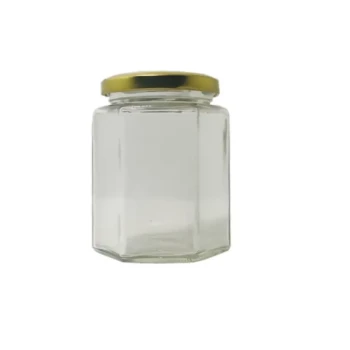
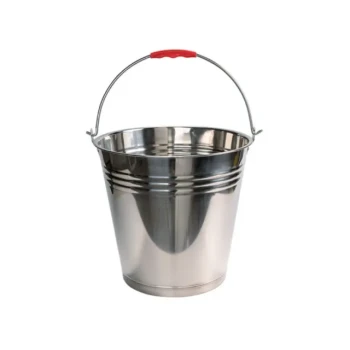
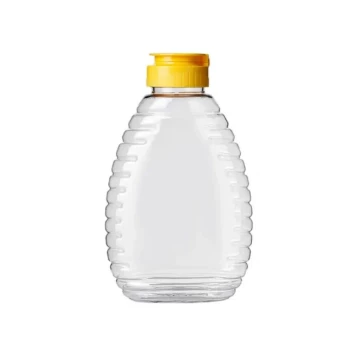
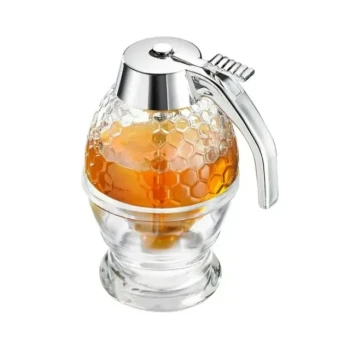
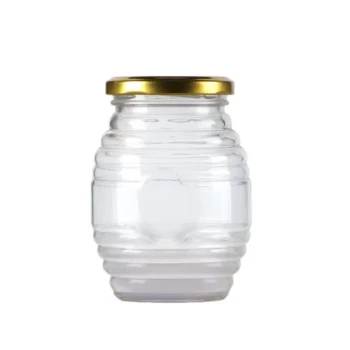
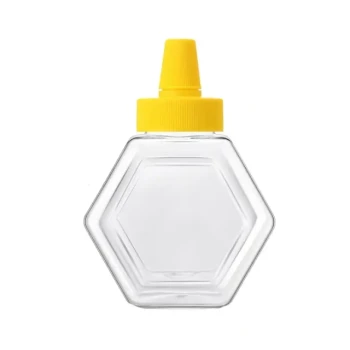
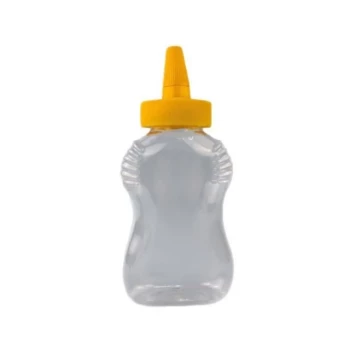
High-quality food-grade packaging is the fundamental bridge between raw production and retail success in the honey industry. Its significance is twofold: strictly preserving the product's chemical stability by preventing leakage and contamination, while simultaneously validating a premium price point through superior visual presentation.
Core Insight: Packaging for honey is not merely a vessel; it is a strategic asset. Because honey is hygroscopic (absorbs moisture) and visually driven, the right container is the only way to guarantee shelf-life against fermentation while enabling the brand to compete in high-end markets.
Functional Integrity and Preservation
The Barrier Against Leakage
Honey is a viscous liquid that presents unique handling challenges. High-quality food-grade containers provide a vital seal that prevents physical leakage during distribution. This is the first line of defense in maintaining the product's volume and preventing messy failures that damage retail relationships.
Controlling Moisture and Fermentation
Beyond simple spills, professional containers act as a sophisticated environmental barrier. They exclude air and humidity, which is critical because honey is prone to absorbing atmospheric moisture.
If the water content rises above 21%, honey can ferment and spoil. Materials like polypropylene bags and specialized food-grade plastics reduce this hygroscopicity, stabilizing the honey chemically and physically during long-distance transport.
Market Positioning and Brand Value
Justifying Premium Pricing
Packaging is the primary driver of perceived value. High-quality containers allow producers to shift from selling bulk commodities to offering standardized retail products. By utilizing materials that clearly showcase the honey's texture and purity, brands can meet consumer expectations for quality and justify significantly higher price margins.
Building Trust Through Visibility
Modern consumers demand transparency regarding what they eat. Professional packaging supports high-adhesion, moisture-proof labels that convey essential traceability information, ingredients, and production dates. This clarity, combined with distinct bottle shapes or anti-counterfeit seals, reinforces brand recognition and assures the consumer that the product meets strict safety standards.
Understanding the Trade-offs
Investment vs. Risk
Investing in high-grade packaging increases upfront production costs. However, cutting corners on container quality introduces the risk of "hidden costs," such as product loss due to fermentation or rejection by retailers due to leakage. The cost of a single widespread failure often outweighs the savings from cheaper materials.
Aesthetics vs. Durability
There is often a balance to strike between visual appeal and durability. While glass offers the highest premium look and transparency, it is heavy and fragile. High-grade food plastics offer better durability and moisture barriers for export but may require careful design to achieve the same "premium" feel as glass in an urban retail setting.
Making the Right Choice for Your Goal
Selecting the right packaging depends entirely on your target market and distribution channel.
- If your primary focus is High-End Retail: Prioritize clear, unique container shapes that showcase texture and utilize professional labeling to command premium pricing.
- If your primary focus is Export or Long-Distance Transport: Focus on materials with superior moisture barrier properties (like polypropylene) to keep water content below 21% and prevent fermentation.
- If your primary focus is Brand Trust: Invest in anti-counterfeit sealing materials and moisture-proof labels to ensure traceability information remains legible throughout the product's lifespan.
Ultimately, the container you choose dictates the market tier your honey can occupy.
Summary Table:
| Feature | Significance | Impact on Honey Quality |
|---|---|---|
| Hygroscopic Barrier | Prevents moisture absorption | Keeps water content <21% to stop fermentation |
| Leakage Protection | High-grade seals & durability | Minimizes product loss and protects retail relationships |
| Visual Clarity | Showcases texture and purity | Increases perceived value and justifies premium pricing |
| Chemical Stability | Food-grade material integrity | Ensures no contamination or chemical leaching |
| Label Adhesion | Moisture-proof surfaces | Guarantees traceability and builds consumer trust |
Elevate Your Honey Brand with Professional Packaging Solutions
As a commercial apiary or distributor, your success depends on the bridge between production and the consumer's table. HONESTBEE provides the comprehensive wholesale support you need to dominate the market.
From high-performance food-grade containers that prevent fermentation to advanced honey-filling machines and specialized beekeeping tools, we supply the full spectrum of equipment needed to scale your operations. Whether you are looking for durable export-grade plastics or high-end retail packaging, our portfolio is designed to enhance your brand's integrity and value.
Ready to secure your product and increase your margins? Contact HONESTBEE Today to discuss our wholesale offerings and equipment solutions.
References
- Yogi Sirjana, Bharti Bibas. PRODUCTION AND MARKETING ECONOMICS OF HONEY FROM APIS CERANA IN DANG DISTRICT OF NEPAL. DOI: 10.26480/rfna.01.2020.22.26
This article is also based on technical information from HonestBee Knowledge Base .
Related Products
- Food Grade Plastic Honey Bucket Pail for Beekeeping
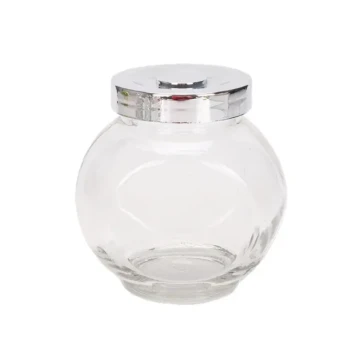
- Classic Drum Shaped Glass Honey Jar with Airtight Lid
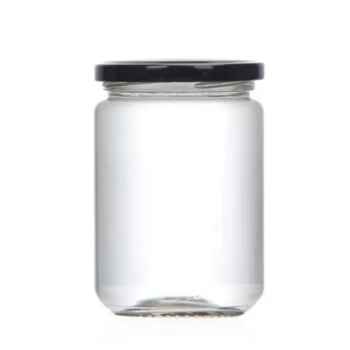
- Classic Round Glass Honey Jar with Lid
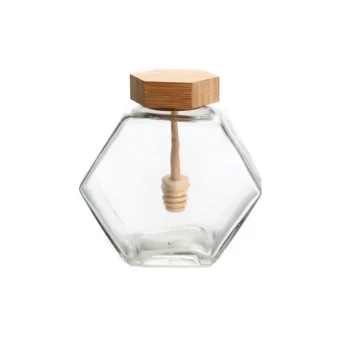
- Hexagonal Glass Honey Jar with Wooden Lid Integrated Dipper Elegant Functional Storage
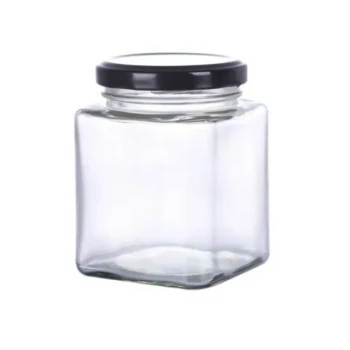
- Modern Square Glass Honey Jar with Twist Off Lid
People Also Ask
- What key operational precautions should be taken when using honey buckets and extractors fitted with bottom drain taps?
- What functions do food-grade honey buckets perform? Safeguard Your Harvest and Optimize Apiary Logistics
- Why are food-grade plastic buckets preferred for honey? Protect Quality with Modern Honey Collection Tools
- What is the significance of food-grade plastic honey collection buckets? Boost Quality in Forest Honey Logistics
- What is a honey pail? The Essential Container for Protecting Your Honey's Value