The presence of wax caps serves as the definitive biological indicator that sunflower honey has fully matured and is ready for extraction. Beekeepers rely on these natural seals to verify that the colony has successfully reduced the honey's water content to a stable level, effectively preventing future spoilage.
Wax caps function as a "quality seal," signifying that the honey has been dehydrated enough to prevent fermentation and ensure long-term stability.
The Biological Signal of Maturity
Validating Water Content
Bees do not seal honeycomb cells arbitrarily; they only apply the wax cap once the nectar has been processed into honey. This capping process serves as confirmation that the bees have reduced the moisture content to a specific, safe percentage.
Preventing Spoilage
The greatest risk to harvested honey is fermentation caused by excess water. If honey is harvested before the bees have evaporated enough moisture, it becomes unstable. The existence of the wax cap is the primary evidence that the honey is safe from this chemical degradation.
Operational Guidelines for Harvesting
The Two-Thirds Rule
To ensure consistency, beekeepers use a specific visual metric to decide when to commence harvesting. Frames should generally only be removed if at least two-thirds of the honeycomb surface is sealed with wax.
The Physical Barrier
Beyond indicating maturity, the caps act as a waterproof shield against ambient air and humidity. This seal preserves the honey's internal integrity and prevents it from re-absorbing moisture from the environment before harvest.
Understanding the Trade-offs
The Risk of Premature Harvesting
Ignoring the significance of the wax caps leads to "wet" honey. While harvesting uncapped frames might seem faster, it introduces a high probability of the product souring or fermenting in storage.
Processing Requirements
While essential for quality, the presence of wax caps necessitates an additional step during extraction. Because the caps create a hermetic seal, they must be physically removed (uncapped) to release the honey, adding time and labor to the processing workflow.
Optimizing Your Harvest Strategy
To maximize the quality of your sunflower honey, align your harvesting decisions with the biological state of the hive.
- If your primary focus is Storage Stability: Adhere strictly to the "two-thirds sealed" rule to guarantee the water content is low enough to prevent fermentation.
- If your primary focus is Extraction Planning: Account for the uncapping phase as a critical bottleneck, as the honey cannot be accessed without breaking the waterproof barrier.
Trust the biological cues of the colony to dictate the timing of a successful harvest.
Summary Table:
| Feature | Significance in Harvesting |
|---|---|
| Maturity Indicator | Signifies bees have reduced moisture to a safe, stable level. |
| Storage Stability | Prevents fermentation and chemical degradation by sealing cells. |
| Harvesting Rule | Frames should be at least 2/3 sealed before starting extraction. |
| Extraction Step | Requires manual or mechanical uncapping to release the honey. |
| Environmental Shield | Provides a waterproof barrier against ambient humidity. |
Scaling Your Apiary Operations with HONESTBEE
At HONESTBEE, we understand that efficient honey harvesting requires more than just biological timing—it requires the right tools. We specialize in supporting commercial apiaries and distributors with a comprehensive range of professional beekeeping machinery and equipment.
Whether you need precision honey-filling machines, high-capacity uncapping hardware, or essential industry consumables, our portfolio is designed to enhance your productivity and product quality. From specialized hive-making tools to honey-themed cultural merchandise, we provide the full spectrum of solutions to grow your wholesale business.
Ready to upgrade your extraction workflow? Contact HONESTBEE today to discover how our wholesale beekeeping equipment can streamline your operations and maximize your harvest efficiency.
References
- Milica Živkov Baloš, Vladimir Polaček. Characterization of Serbian sunflower honeys by their physicochemical characteristics. DOI: 10.5937/ffr48-29655
This article is also based on technical information from HonestBee Knowledge Base .
Related Products
- Professional Honey Uncapping Roller for Efficient Harvesting
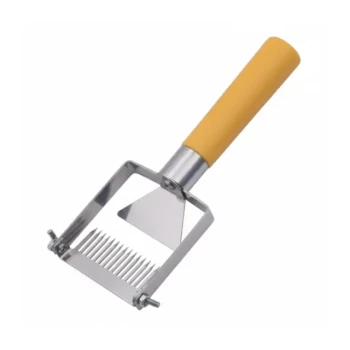
- Adjustable Stainless Steel Honey Uncapping Fork with Plastic Handle for Beekeeping
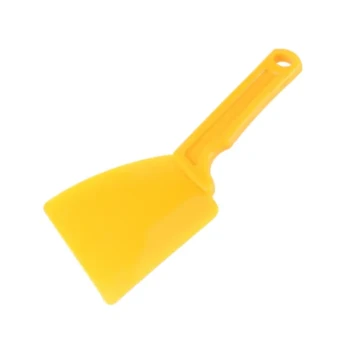
- Professional Honey Scraper for Efficient Apiary Maintenance
- HONESTBEE Classic Twist Up Lip Balm Tubes
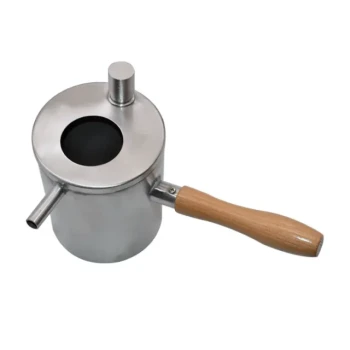
- Stainless Steel Honey Press Wax Press with Tank
People Also Ask
- What other tools are available for honey uncapping besides knives? Find the Right Tool for Your Apiary's Scale
- What are the methods of uncapping honey? A Guide to Tools for Efficient Harvests
- What tools are available for uncapping honey? A Guide to Choosing the Right Tool for Your Operation
- What tools can be used to uncap honey cells? Expert Guide to Efficient Honey Extraction Equipment
- What are the essential tools for uncapping honey frames? Choose the Right Tool for Your Apiary