Storing honey samples in a cool, dark environment is the definitive method for maintaining the sample's original chemical and biological integrity. This practice primarily inhibits the growth of osmophilic yeasts and significantly slows down chemical degradation. By preventing fermentation-induced acidity and moisture fluctuations, these conditions ensure that subsequent laboratory testing accurately reflects the honey's physicochemical state at the time of production.
By stabilizing the environment, you prevent the natural tendency of honey to ferment or degrade under heat and light. This ensures that the data derived from the sample is a true representation of the original product, rather than a measurement of its spoilage.
The Mechanics of Preservation
Controlling Biological Activity
Honey naturally contains osmophilic yeasts which thrive in warm, moisture-rich environments.
Storing samples in cool conditions directly inhibits the metabolic activity of these yeasts.
Without this thermal control, the yeasts will proliferate, leading to fermentation which irreversibly alters the honey's chemistry by increasing acidity.
Preventing Chemical Degradation
Heat and light are catalysts for the breakdown of honey's complex chemical structure.
A cool environment slows the kinetic rate of these degradation reactions during transport and storage.
Simultaneously, a dark environment prevents photochemical alterations, preserving the original physicochemical state of the elements within the sample.
The Role of Light and Moisture
Protection from Ultraviolet Radiation
Light—specifically ultraviolet (UV) rays—is destructive to the bioactive components of honey.
Dark storage conditions (often achieved using dark glass bottles) effectively block these rays.
This protection is essential for preserving light-sensitive substances, such as antioxidant phenolic compounds, ensuring the biological activity of the sample remains intact.
Managing Hygroscopy
Honey is highly hygroscopic, meaning it readily absorbs moisture from the surrounding atmosphere.
If the moisture content exceeds 20%, the risk of fermentation by osmophilic yeasts increases dramatically.
A controlled environment, paired with high-sealing containers, isolates the honey from air, preventing both moisture absorption and oxidation.
Common Pitfalls in Sample Management
The Container Material Variable
While the environment (cool and dark) is critical, the vessel used to create that environment matters equally.
Using plastic packaging can introduce trace metal contamination, skewing the mineral profile of the sample.
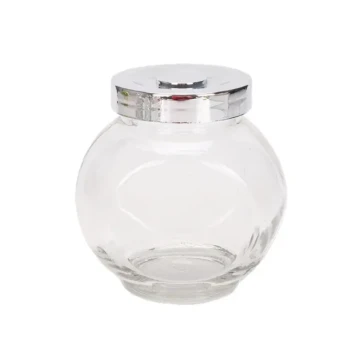
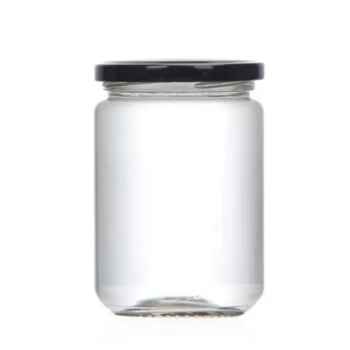
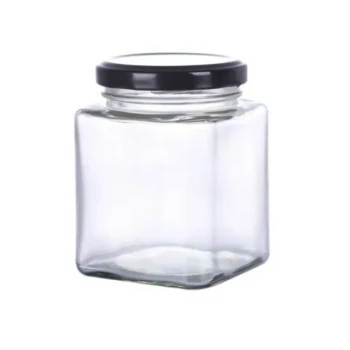
Clean glass is the superior choice for maintaining the scientific integrity of the honey's mineral composition.
The Volatility of Flavor
Preservation is not just about preventing spoilage; it is about retaining character.
Improper sealing or temperature control leads to the loss of volatile flavor compounds.
Losing these compounds compromises the accuracy of physicochemical characterization, making the sample useless for sensory classification research.
Making the Right Choice for Your Goal
To ensure your honey samples yield valid scientific data, apply the following protocols based on your specific analytical needs:
- If your primary focus is Biological Activity: Prioritize dark storage (such as amber glass) to block UV rays and preserve sensitive phenolic compounds.
- If your primary focus is Shelf Stability and Safety: Prioritize cool temperatures and tight seals to keep moisture below 20% and inhibit yeast fermentation.
Rigorous environmental control during the pretreatment phase is the only way to guarantee that your laboratory results truthfully reflect the quality of the original honey harvest.
Summary Table:
| Preservation Factor | Primary Function | Scientific Impact |
|---|---|---|
| Cool Temperature | Inhibits osmophilic yeast growth | Prevents fermentation and acidity shifts |
| Dark Environment | Blocks UV radiation | Preserves phenolic compounds and antioxidants |
| Tight Sealing | Controls hygroscopy | Keeps moisture <20% to avoid spoilage |
| Glass Containers | Prevents contamination | Maintains mineral integrity vs. plastic leaching |
Elevate Your Honey Quality with HONESTBEE
At HONESTBEE, we understand that maintaining the integrity of your honey—from the hive to the laboratory—is the foundation of a successful business. We cater specifically to commercial apiaries and distributors, providing a comprehensive wholesale range of professional-grade tools and machinery.
Whether you need specialized honey-filling machines designed to maintain product purity, high-sealing storage solutions to prevent moisture absorption, or premium honey-themed cultural merchandise to grow your brand, we have the expertise to support your operations.
Ready to scale your apiary or distribution network? Our team is dedicated to providing the full spectrum of beekeeping hardware and consumables that guarantee the highest standards for your honey.
Contact HONESTBEE Today for Your Wholesale Solutions
References
- Nadežda Prica, Sara Savić. MOISTURE AND ACIDITY AS INDICATORS OF THE QUALITY OF HONEY ORIGINATING FROM VOJVODINA REGION. DOI: 10.46784/e-avm.v7i2.135
This article is also based on technical information from HonestBee Knowledge Base .
Related Products
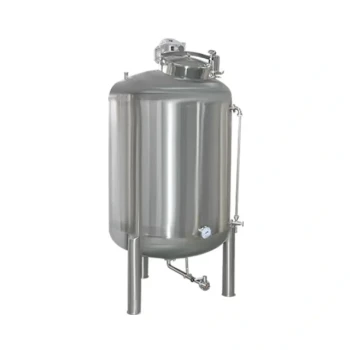
- Stainless Steel Honey Storage and Settling Tank with Double Strainer
- Stainless Steel Honey Storage Tank with Lid for Honey
- Professional Honey Storage Tank with Agitation System
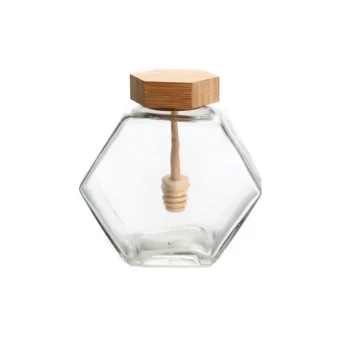
- Hexagonal Glass Honey Jar with Wooden Lid Integrated Dipper Elegant Functional Storage
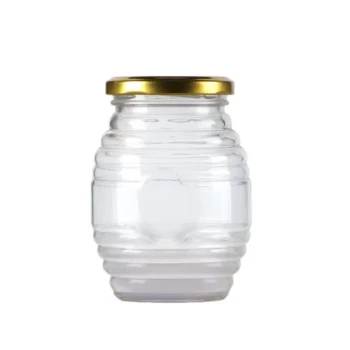
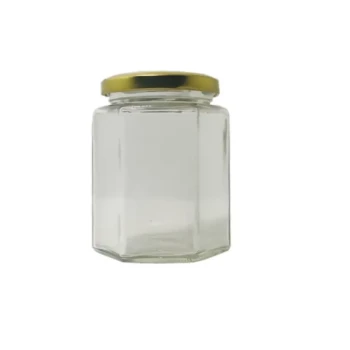
- Classic Glass Honey Jar with Metal Lug Cap for Beehive Storage
People Also Ask
- What economic role do honey storage tanks play? Boost Your Revenue Through Strategic Inventory Management
- What roles do industrial honey storage tanks and filtration meshes play in processing? Ensure Purity & Consistency
- What is the purpose of a honey storage tank? Streamline Your Honey Processing for Quality & Efficiency
- What role do settling tanks play in honey production? Achieve Pure, High-Clarity Honey Naturally
- Why are large settling tanks used in the honey clarification process? Achieve Natural Purity & Batch Consistency