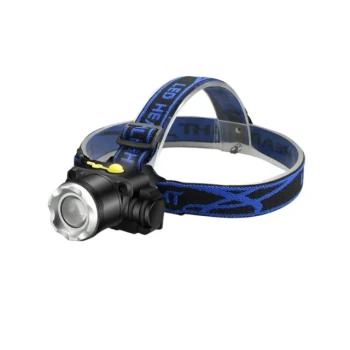
The primary technical function of high-performance portable headlamps during honeybee relocation is to provide directional visibility without disrupting the colony’s dormancy. These devices allow operators to navigate dark, complex environments while restricting light exposure to a specific, narrow range. This targeted illumination is critical for transporting hives safely while preventing the widespread light disturbance that causes bee loss.
The core value of these tools lies in their ability to balance operator safety with biological sensitivity. By providing intense, movable light for navigation while minimizing light spill, they allow for the safe transport of hives across mountainous terrain without agitating the sleeping colony.
The Operational Context: Why Night Work is Mandatory
Maintaining the Dormant State
Relocation operations must strictly occur at night when honeybees are in a stationary, sleeping state.
Disrupting this state causes agitation, leading bees to leave the hive. Once airborne in the dark, they are often unable to return, resulting in significant colony loss.
The Challenge of Visibility
While the bees require darkness to remain calm, the beekeepers and assistants require light to function.
These operations frequently take place in extremely dark environments, often far removed from ambient city light. Without artificial illumination, the physical task of moving heavy hives becomes impossible.
Technical Advantages for the Operator
Navigating Complex Terrain
The relocation of colonies often involves traversing complex, mountainous terrain.
High-performance headlamps provide the necessary lumen output to reveal tripping hazards and uneven ground. This visibility is essential for the physical safety of the personnel carrying the hives.
Movable, Hands-Free Illumination
The "portable" and "head-mounted" nature of these devices is a functional necessity, not just a convenience.
Because operators are physically carrying beehives, the light source must track with their field of vision automatically. This ensures the path ahead is illuminated without requiring manual adjustments that would compromise the stability of the hive being carried.
Minimizing Colony Disturbance
Restricting Light Range
The defining technical feature of these headlamps in this context is their ability to restrict light to a narrow range.
Unlike floodlights or lanterns which cast widespread illumination, a headlamp focuses light only where the operator is looking. This prevents light from washing over the hive entrances unnecessarily.
Ensuring Colony Stability
By limiting light spill, the headlamps prevent the colony from perceiving a "false dawn" or threat.
This maintenance of darkness for the bees, despite the proximity of humans, ensures the colony remains stable and stationary throughout the transfer process.
Understanding the Trade-offs
Visibility vs. Disturbance
The use of high-performance headlamps involves a constant trade-off between human safety and bee sensitivity.
High-performance lights are necessary to see dangerous terrain, but high intensity increases the risk of waking the bees if the beam accidentally crosses the hive entrance. The operator must rely on the device's directional control to mitigate this risk.
Making the Right Choice for Your Goal
To ensure a successful relocation, you must apply the lighting technology correctly based on your immediate task.
- If your primary focus is Operator Safety: Utilize the high-performance setting to illuminate the path when navigating complex mountainous terrain to prevent falls or dropping the hive.
- If your primary focus is Colony Preservation: Strictly control the headlamp's direction, keeping the beam narrow and away from hive openings to maintain the bees' sleeping state.
The success of a night-time relocation depends entirely on using light to guide the human hand without waking the insect passenger.
Summary Table:
| Feature | Technical Function | Impact on Colony Relocation |
|---|---|---|
| Hands-Free Design | Automatic vision tracking | Ensures stability while carrying heavy beehives. |
| Directional Beam | Narrow light focus | Prevents 'false dawn' signals and colony agitation. |
| High Lumen Output | Hazard identification | Enhances safety in dark, mountainous terrain. |
| Light Range Control | Minimizing light spill | Maintains the dormant state of the honeybees. |
Maximize Your Apiary Efficiency with HONESTBEE
At HONESTBEE, we understand the technical demands of large-scale commercial beekeeping. As a leading provider for commercial apiaries and global distributors, we offer a comprehensive wholesale range designed for professional use. From advanced beekeeping machinery and hive-making equipment to specialized consumables and honey-themed cultural merchandise, our portfolio supports every stage of your production.
Ready to upgrade your equipment? Contact us today to discover how our high-performance tools and wholesale solutions can streamline your operations and safeguard your colonies.
References
- Federico De Musso. Transabelles. DOI: 10.18357/kula.276
This article is also based on technical information from HonestBee Knowledge Base .
Related Products
People Also Ask
- What are the advantages of using red light sources for African honey bees? Enhance Safety and Colony Health
- Why is a Red-light Flashlight necessary for the nighttime transportation of bee colonies? Enhance Hive Safety & Success
- What are the main products obtained from beekeeping? Honey, Beeswax, and Vital Pollination Services
- What is the primary function of a cylinder-shaped wood mold? Essential Tools for Quality Queen Rearing
- How can beekeeping supplies and accessories enhance the hobby? Essential Tools for Safe & Rewarding Beekeeping