Maintaining honey warehouse temperatures below 30°C is a technical requirement to suppress the formation of Hydroxymethylfurfural (HMF) and prevent the thermal degradation of natural enzymes. This specific threshold serves as an industrial-grade safeguard that ensures honey retains its chemical stability, biological activity, and market value. By controlling this variable, distributors protect large-scale inventory from premature aging and irreversible quality loss.
Central Takeaway: Precise thermal management at or below 30°C is the critical baseline for preserving honey’s chemical integrity and enzymatic activity, ensuring that bulk inventory remains compliant with international quality standards.
The Chemical Imperative: Suppressing HMF Formation
Understanding HMF as a Quality Metric
Hydroxymethylfurfural (HMF) is a primary indicator of honey freshness and heat exposure used by global regulatory bodies. When temperatures exceed 30°C, the rate of HMF production accelerates significantly, potentially pushing the product beyond legal limits for "Grade A" or export-quality honey.
The Maillard Reaction and Discoloration
High temperatures trigger the Maillard reaction, a chemical interaction between amino acids and reducing sugars. This process not only increases HMF levels but also leads to the progressive darkening of the honey and a loss of its original flavor profile.
Preserving Fluorescence and Authenticity
Maintaining stable, lower temperatures—ideally between 20°C and 22°C—minimizes non-experimental degradation. This is vital for B2B partners who rely on fluorescence detection to verify the authenticity and botanical origin of the honey during quality audits.
Biological Integrity: Safeguarding Natural Enzymes
The Role of Heat Sensitivity
Honey is valued as a "living" product due to its complex profile of natural enzymes, such as diastase and invertase. These compounds are highly sensitive to thermal stress; exceeding the 30°C threshold can denature these proteins, rendering the honey biologically inert.
Meeting International Trade Standards
Many import markets have strict requirements for diastase activity, which serves as proof that the honey has not been over-processed. Professional inventory management ensures these enzymatic levels remain high, facilitating faster customs clearance and higher resale value.
Consistency in Product Portfolio
For wholesalers managing a full-spectrum product portfolio, temperature consistency ensures that every batch, regardless of its botanical source, meets a uniform standard of excellence. This reliability is a cornerstone of premium trading services.
Strategic Inventory Stability
Balancing Crystallization and Pour-ability
While heat must be limited, extreme cold can trigger crystallization, which affects the smooth texture and "pour-ability" of the honey. Expert warehousing finds the "sweet spot" where HMF formation is stalled but the honey remains in a liquid, shelf-ready state.
Ensuring Rapid Order Fulfillment
By maintaining inventory at optimal temperatures, distributors ensure that products are always ready for ultra-fast delivery. There is no need for time-consuming re-liquefaction processes, which can further damage the honey’s delicate chemical balance.
Deep Professional Industry Expertise
Operating a warehouse with high-precision thermal controls demonstrates a level of professional expertise that builds trust with B2B clients. It reflects a commitment to protecting the physical asset from the moment of sourcing to final delivery.
Understanding the Trade-offs
The Risk of Excessive Cooling
While the 30°C ceiling is vital for chemical stability, dropping temperatures too low can accelerate the formation of sugar crystals. This does not ruin the honey, but it may require gentle warming before it can be bottled or sold to end-users who prefer a clear, liquid texture.
Energy Costs vs. Product Longevity
Maintaining a constant 20-22°C environment requires a higher investment in climate control infrastructure. However, this cost is offset by the extended shelf life and the ability to guarantee the product's premium "raw" or "unheated" status to high-end buyers.
Fluctuations vs. Constant Environments
Frequent temperature swings are often more damaging than a steady, slightly elevated temperature. Rapid changes can cause moisture migration within the containers, potentially leading to surface fermentation if the honey’s moisture content is near the upper limit.
How to Apply This to Your Distribution Strategy
Managing honey inventory requires a balance between biological preservation and physical usability. Professional distributors must treat temperature control as a core component of their value proposition.
- If your primary focus is long-term inventory value: Maintain a constant environment of 20-22°C to maximize enzyme retention and minimize HMF accumulation.
- If your primary focus is rapid market readiness: Ensure temperatures never exceed 30°C to prevent darkening, while avoiding deep cooling that might trigger heavy crystallization.
- If your primary focus is international export compliance: Implement high-precision logging to prove the honey has remained under the thermal threshold, ensuring all HMF and enzyme metrics meet destination standards.
Strict adherence to these thermal boundaries ensures that your honey remains a premium, high-performance asset capable of meeting the most rigorous global standards.
Summary Table:
| Temperature Range | Impact on Honey Quality | Industrial Significance |
|---|---|---|
| Below 20°C | Higher risk of crystallization | Ideal for long-term storage of specific varieties. |
| 20°C - 22°C | Optimal HMF/Enzyme stability | Perfect balance for freshness and pour-ability. |
| Above 30°C | Rapid HMF formation & darkening | Risks non-compliance with international Grade A standards. |
| Critical Threshold | Enzyme denaturation (Diastase loss) | Irreversible loss of biological activity and market value. |
Scale Your Honey Business with HONESTBEE Expertise
Maintaining premium honey quality requires more than just knowledge—it requires the right infrastructure. HONESTBEE empowers commercial apiaries, distributors, and B2B resellers with a one-stop sourcing solution for the entire beekeeping lifecycle.
Whether you need high-precision honey-filling machines to ensure thermal integrity or a full spectrum of beekeeping tools and consumables, our professional industry expertise ensures your inventory meets global standards. We offer:
- Comprehensive Portfolio: From hive-making machinery to honey-themed cultural merchandise.
- Distributor Advantages: Competitive profit margins, OEM/ODM support, and reliable certifications.
- Efficient Logistics: Ultra-fast delivery and rapid response times to keep your supply chain moving.
Ready to elevate your wholesale operations? Contact our expert team today to discover how our premium trading services can fulfill your business needs.
References
- Altalb, Ahmed Awad Talb, Turki Albajari, Zahraa Mohammad. Degree of Commitment of Bee Keepers with Modern methods in storing and marketing Bee products in Nineveh / Iraq. DOI: 10.58928/ku24.15223
This article is also based on technical information from HonestBee Knowledge Base .
Related Products
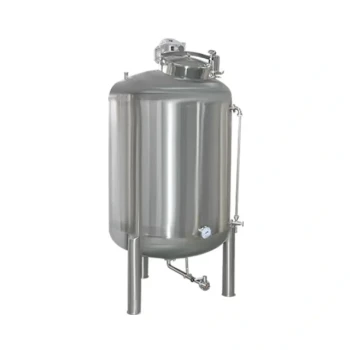
- Stainless Steel Honey Storage Tank with Lid for Honey
- Professional Honey Storage Tank with Agitation System
- Food Grade Plastic Honey Bucket Pail for Beekeeping
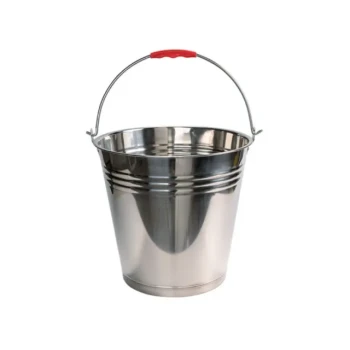
- Premium Stainless Steel Honey Tank Bucket Pail with Reinforced Handle and Polished Finish
- Inverted Squeezable Honey Jar with No Drip Flip Top Cap for Easy Pouring
People Also Ask
- What economic role do honey storage tanks play? Boost Your Revenue Through Strategic Inventory Management
- What roles do industrial honey storage tanks and filtration meshes play in processing? Ensure Purity & Consistency
- What is the purpose of a honey storage tank? Streamline Your Honey Processing for Quality & Efficiency
- What are honey storage tanks used for? Essential Features for Quality Preservation and Profit
- How do large honey storage tanks and gravity fall filling systems improve honey packaging efficiency and safety?