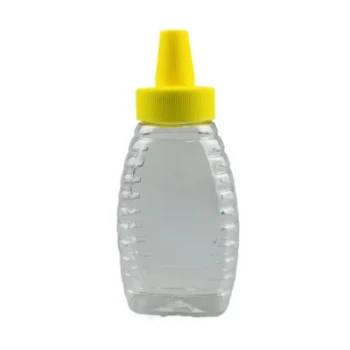
The technical necessity of using 100 mL sealed plastic bottles and low-temperature storage lies in simultaneously preserving the physical containment and biological stability of the sample. The sealed bottle creates a robust, leak-proof environment capable of holding a standardized sample of approximately 300 adult bees, while the 4 °C storage temperature inhibits tissue decay. Together, these measures protect the DNA integrity of parasites like Nosema spp. and preventing the loss of external pests like Varroa mites during transport.
Core Takeaway Accurate laboratory diagnosis depends entirely on the sample arriving in the same condition it left the apiary. This protocol minimizes the risk of false negatives by preventing biological degradation (rotting) and physical sample loss (leakage) between the field and the lab.
The Role of the 100 mL Sealed Container
Ensuring Physical Containment
The primary function of the sealed plastic bottle is to act as a robust, leak-proof vessel. In field conditions, samples traverse rough terrain; a high-sealing screw-cap ensures that the container remains closed despite vibration or pressure changes.
This physical seal is critical for retaining external parasites. Without a secure seal, mites such as Varroa or bee lice could fall off the host bees and be lost during transport, leading to inaccurate infestation counts.
Standardizing Sample Size
The 100 mL volume is specifically calibrated to accommodate approximately 300 adult worker bees.
This standardization is vital for statistical accuracy. By consistently collecting this specific volume, laboratories can determine infestation rates (e.g., mites per 100 bees) with a high degree of reliability across different apiaries.
The Necessity of Low-Temperature Storage (4 °C)
Inhibiting Biological Decay
Once bees are collected, biological decomposition begins immediately. Storing samples at 4 °C effectively slows down the metabolic processes that lead to tissue decay.
By inhibiting enzymatic activity and bacterial growth, the low temperature ensures the bees and their parasites remain physically intact for morphological examination.
Preserving DNA Integrity
For internal parasites, particularly microsporidia like Nosema spp., visual inspection is often insufficient.
Low-temperature storage preserves the DNA integrity of these pathogens. This allows for sensitive molecular diagnostics (such as PCR) to be performed later, ensuring species-level identification that would be impossible if the genetic material were allowed to degrade in the heat.
Understanding the Trade-offs
The "Cold Chain" Vulnerability
While 4 °C is effective for short-to-medium-term transport, it relies on a consistent "cold chain."
If the temperature fluctuates significantly or rises above 4 °C for extended periods, rapid degradation of soft tissues will occur. This can make it impossible to distinguish between distinct parasite species or lead to dissolved tissues that complicate visual counts.
Mechanical Separation Considerations
While the sealed bottle prevents loss, the bottle alone does not separate the parasite from the host.
Operators must understand that the bottle is a transport vessel. For effective lab analysis, this physical method is often paired with a chemical agent (like ethanol) or mechanical oscillation to dislodge parasites that are stuck to the bees, utilizing the bottle's secure volume to contain the separated suspension.
Making the Right Choice for Your Goal
To ensure your survey results are valid, apply these protocols based on your specific diagnostic focus:
- If your primary focus is External Parasite Counts (Varroa): Prioritize the seal integrity of the bottle to ensure no mites are physically lost during rough transport.
- If your primary focus is Pathogen Identification (Nosema/Viruses): Prioritize strict adherence to the 4 °C temperature limit, as genetic material degrades rapidly in ambient heat.
By strictly maintaining a sealed, cold environment, you transform a simple collection of bees into a scientifically valid data point.
Summary Table:
| Feature | Technical Requirement | Primary Purpose |
|---|---|---|
| Container Type | 100 mL Sealed Plastic Bottle | Ensures physical containment & prevents loss of Varroa mites |
| Sample Volume | ~300 Adult Worker Bees | Standardizes infestation rate data for statistical accuracy |
| Storage Temp | 4 °C (Cold Chain) | Inhibits tissue decay and prevents bacterial growth |
| Diagnostic Goal | DNA Preservation | Maintains integrity for PCR testing of Nosema and viruses |
Elevate Your Apiary Management with HONESTBEE
Precise diagnostics start with the right tools. HONESTBEE is a premier partner for commercial apiaries and global distributors, providing a comprehensive wholesale range of beekeeping solutions. Whether you need specialized 100 mL sample collection kits, high-precision honey-filling machines, or durable hive-making equipment, we deliver industrial-grade hardware designed for performance.
Why partner with HONESTBEE?
- Comprehensive Catalog: From essential consumables to advanced honey-themed cultural merchandise.
- Built for Scale: We cater specifically to the high-volume needs of commercial operations and retail suppliers.
- Technical Expertise: Our equipment ensures your samples and products maintain the highest industry standards.
Ready to scale your beekeeping operation? Contact us today to explore our wholesale offerings!
References
- Occurrence of most important Western honey bee (Apis mellifera) parasites (Nosema spp. and Varroa destructor) in Latvia. DOI: 10.22364/eeb.15.25
This article is also based on technical information from HonestBee Knowledge Base .
Related Products
People Also Ask
- Why use high-quality honey jars? Protect Your Harvest with Superior Plastic & Glass Packaging Solutions
- What are the benefits of squeeze bottles for honey packaging? Unlock Mess-Free Convenience & Control
- How should honey bottles be prepared before pouring honey into them? The #1 Rule for Honey Longevity
- What are the features of honey bottles? Design for Convenience & Long-Term Preservation
- What are the features and benefits of using honey bottles for packaging? Optimize Preservation and Consumer Experience