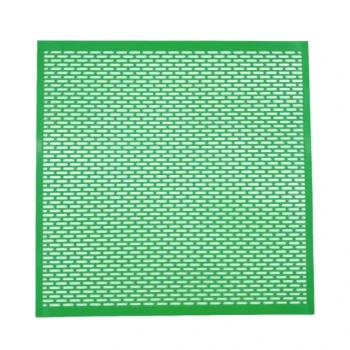
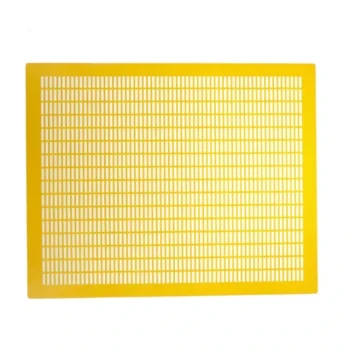
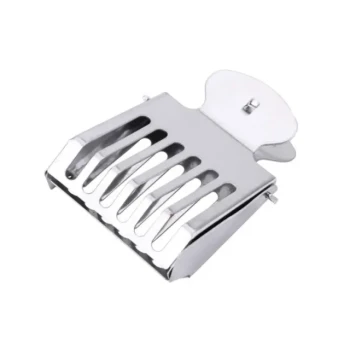
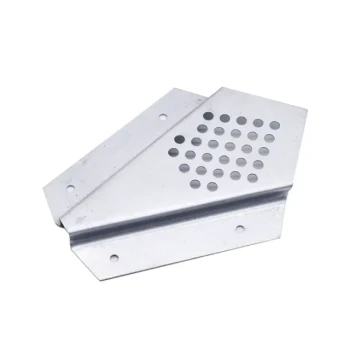
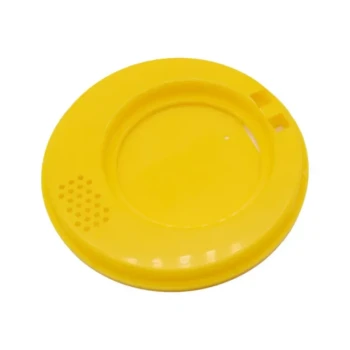
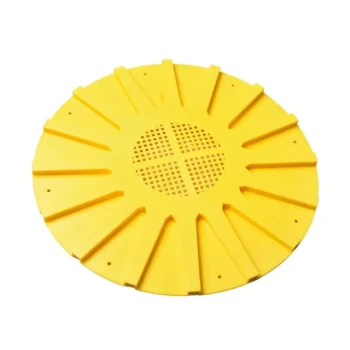
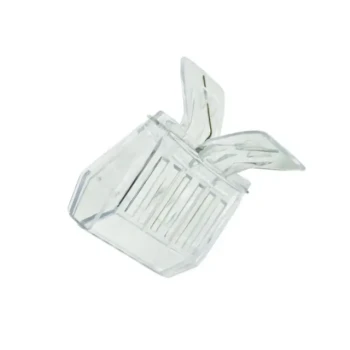
A queen excluder is a precision management tool designed to physically segment a multi-box hive based on bee anatomy. It functions as a mechanical filter—typically a mesh or metal grid—placed between the lower brood boxes and the upper honey supers.
The grid spacing is engineered to be passable for smaller worker bees but too narrow for the larger abdomen of the queen (and typically drones). This confinement restricts the queen to the lower chambers, preventing her from ascending to lay eggs in the honey stores.
Core Takeaway The queen excluder transforms a hive from a fluid, mixed-use environment into a structured system with distinct zones. Its primary value is ensuring that honey harvested from upper supers is pure and free of biological contaminants like larvae or developing brood.
The Mechanics of Hive Segmentation
Biological Filtration
The technical operation of the excluder relies on specific dimensional tolerances. The gaps allow the workforce to travel vertically through the hive to deposit nectar and pollen.
However, the barrier blocks the queen, effectively "locking" the reproductive center of the colony to the bottom boxes. Per the primary reference, this mesh also restricts drones, preventing them from occupying the upper honey supers.
Ensuring Resource Purity
Without an excluder, a prolific queen will often move upward as she fills the lower combs, laying eggs in the honey supers. This results in "brood comb" mixed with honey stores.
By installing an excluder, you ensure the upper boxes contain only clean honey and wax. This eliminates the risk of extracting larvae during harvest and maintains higher sanitary standards for the final product.
Operational Efficiency and Management
Streamlining Inspections
For commercial or time-sensitive operations, the excluder significantly reduces inspection time.
Because the queen is physically incapable of leaving the bottom chambers, you do not need to inspect the upper supers for her presence or for brood health. You can focus your detailed analysis solely on the brood boxes below the excluder.
The Isolation Technique
The excluder serves as a diagnostic tool for locating an elusive queen. By placing an excluder between two hive bodies and waiting three days, you can determine the queen's location based on the presence of fresh eggs.
If fresh eggs appear in only one box, the queen has been successfully located in that specific section, simplifying her capture or assessment.
Queen Rearing Protection
In advanced breeding setups, screen excluders are used to partition rearing hives.
They allow nurse bees to pass through to feed developing queen larvae but prevent the reigning queen from accessing and destroying the rival queen cells. This protects the developing queens while maintaining the colony's social order.
Understanding the Trade-offs
While technically effective, the use of an excluder requires timing and observation. The primary reference notes that beekeepers should often wait until the colony has established significant reserves before installation.
If installed too early or on a weak hive, the excluder can act as a psychological or physical barrier to the workers. This may cause them to view the upper boxes as inaccessible, leading to a "honeybound" brood nest where workers store honey below, crowding out the queen's laying space.
Making the Right Choice for Your Goal
Whether you employ an excluder depends on your specific objective for the hive season.
- If your primary focus is Commercial Honey Production: Use the excluder to guarantee strictly segregated clean honey and faster harvesting workflows.
- If your primary focus is Colony Expansion: Consider leaving the excluder off initially to encourage maximum vertical movement and unrestricted laying until the population is robust.
- If your primary focus is Queen Rearing: Use the excluder as a protective barrier to shield developing queen cells from the established queen.
Ultimately, the queen excluder is not just a barrier; it is a zoning tool that prioritizes honey quality and management efficiency over unrestricted colony movement.
Summary Table:
| Feature | Technical Purpose | Key Benefit |
|---|---|---|
| Biological Filtration | Grids allow workers through but block queens/drones. | Prevents brood from contaminating honey stores. |
| Hive Segmentation | Physically separates brood boxes from honey supers. | Ensures 100% pure honey and clean wax for harvest. |
| Inspection Efficiency | Confines the queen to the lower chambers. | Reduces management time; no need to check supers for the queen. |
| Queen Rearing | Protects new cells from the reigning queen. | Enables safe development of new queens within the colony. |
Elevate Your Apiary's Productivity with HONESTBEE
Precision beekeeping requires the right tools to maintain hive health and maximize yield. At HONESTBEE, we specialize in supporting commercial apiaries and distributors with a full spectrum of professional-grade equipment. From precision-engineered queen excluders and hive-making machinery to advanced honey-filling systems, our wholesale portfolio is designed to streamline your operations and ensure the highest standards of honey purity.
Ready to scale your production? Contact us today to discover how our comprehensive range of beekeeping hardware and consumables can add value to your business.
Related Products
- High Performance Plastic Queen Excluder for Beekeeping and Apiary Management
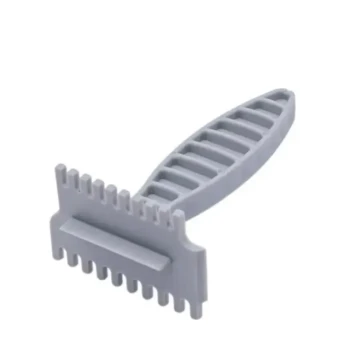
- Lightweight Durable Plastic Queen Excluder Scraper for Beekeeping
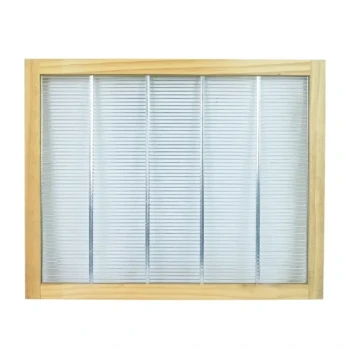
- Premium Wood Framed Metal Wire Queen Bee Excluder
- Professional Plastic Queen Excluder for Modern Beekeeping
- Metal Queen Bee Excluder for Beekeeping
People Also Ask
- What are the characteristics of a plastic queen excluder? Key Benefits for Cost-Effective Beekeeping
- What are the operational and cost advantages of using plastic queen excluders over metal or wire excluders in commercial hive management? Discover how they reduce labor, prevent wing damage, and lower total costs.
- What types of queen excluders are available for beekeepers? Choose the Right Tool for Your Hive
- Why are standardized hive frames and queen excluders essential for maintaining honey purity and quality? Scale Your Purity
- Do plastic queen excluders work? A Cost-Effective Solution for Modern Apiaries