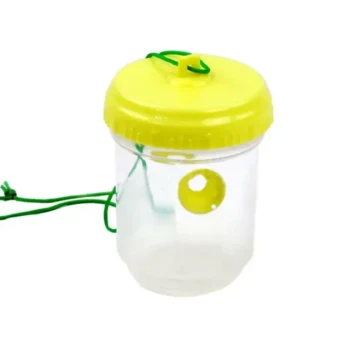
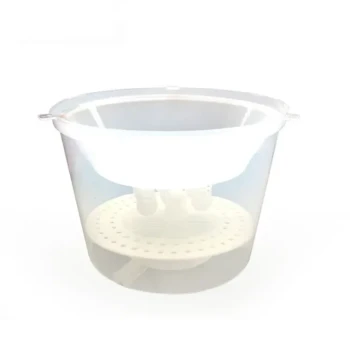
Pollen traps function as a precision data interface located at the hive entrance, designed to physically intercept pollen pellets from returning forager bees. Their primary technical purpose is to transition from theoretical maps of available vegetation to empirical, quantitative data regarding the resources the colony is actually harvesting.
The central value of a pollen trap is its ability to convert a "macro-landscape" vegetation map into "micro-resource" data, providing the physical evidence necessary to validate nutritional diversity and calibrate colony models.
Transforming Landscape Views into Hard Data
The Mechanism of Interception
Pollen traps utilize physical grids placed at the entry of the beehive.
As worker bees return from foraging flights, they must pass through these grids. The mechanism strips the pollen pellets from their legs, collecting them in a tray for analysis.
From Macro-Maps to Micro-Data
The most critical technical function of the trap is bridging the gap between availability and utilization.
While a landscape map shows what vegetation is available in the environment (macro), the pollen trap reveals exactly what the bees have selected (micro).
Microscopic Verification
Once the pellets are intercepted, researchers perform laboratory microscopic analysis.
This allows for the specific identification of plant sources. It transforms a collection of pellets into a precise catalog of the vegetation resources the colony is exploiting.
Quantifying Nutritional Diversity
The data collected allows for a quantitative evaluation of the landscape's impact.
Researchers can measure how different landscape backgrounds specifically affect the nutritional diversity available to the colony, rather than relying on visual assumptions.
Calibrating Colony Models
Defining Resource Supply Parameters
Beyond simple identification, pollen trap data is essential for colony modeling.
The intercepted samples provide hard data points that allow scientists to calibrate resource supply parameters. This ensures that theoretical models accurately reflect real-world foraging behaviors.
Evidence of Resource Conversion
The traps provide physical evidence of the hive's internal economy.
They demonstrate exactly how environmental resources are being brought in to be converted into internal protein reserves, which are vital for colony sustainability.
Understanding the Trade-offs
Disruption of Critical Nutrition
While traps are vital for data, they interrupt the flow of essential resources.
Pollen is the raw material for proteins, lipids, and minerals required for larval development.
Impact on Colony Immunity
Nurse bees require this pollen to secrete royal jelly.
Extended use of traps without management can deplete the resources needed for royal jelly production, directly impacting the physical strength, immunity, and lifespan of the colony.
Making the Right Choice for Your Goal
To maximize the value of pollen traps while mitigating risks, align your usage with your specific technical objective:
- If your primary focus is Landscape Analysis: Prioritize microscopic analysis of the trapped samples to quantify exactly how vegetation diversity correlates with the pollen species entering the hive.
- If your primary focus is Colony Modeling: Use the collection data to calibrate supply parameters, ensuring your simulations accurately reflect the rate at which environmental resources are converted into hive reserves.
Use pollen traps not just to collect samples, but to validate the link between the external environment and internal colony health.
Summary Table:
| Technical Function | Description | Key Insight Provided |
|---|---|---|
| Physical Interception | Grids strip pollen pellets from foragers at the entrance. | Quantitative data on actual resource harvesting. |
| Microscopic Analysis | Laboratory identification of plant species from pellets. | Specific catalog of exploited vegetation sources. |
| Model Calibration | Defining supply parameters for colony simulations. | Accurate reflection of real-world foraging behavior. |
| Nutritional Evaluation | Measuring diversity of proteins, lipids, and minerals. | Evidence of the hive's internal resource economy. |
Maximize Your Apiary Productivity with HONESTBEE
At HONESTBEE, we understand that data-driven beekeeping is the future of the industry. Whether you are a commercial apiary looking to optimize colony nutrition or a distributor seeking high-quality equipment, we provide the tools you need to succeed. Our comprehensive wholesale portfolio includes:
- Precision Equipment: High-efficiency pollen traps and hive-making machinery.
- Processing Power: Professional honey-filling and extraction machines.
- Essential Supplies: A full spectrum of beekeeping tools and industry consumables.
Contact us today to discover how HONESTBEE's specialized hardware and global supply chain can enhance your operational efficiency and help you provide superior value to your customers.
References
- Nuno Capela, José Paulo Sousa. Exploring the External Environmental Drivers of Honey Bee Colony Development. DOI: 10.3390/d15121188
This article is also based on technical information from HonestBee Knowledge Base .
Related Products
- Removable Plastic Pollen Trap With Ventilated Tray for Bees Pollen Collector
- 30 cm Plastic Entrance Hole Bee Pollen Trap and Collector
- Plastic Bee Pollen Trap Strips Comb Catcher Collector
- High-Efficiency Diamond Maze Bee Escape for Clearing Supers
- Professional Bucket Style Wasp and Moth Pheromone Trap
People Also Ask
- What are the design principles and advantages of pollen traps in the collection of bee pollen? Boost Your Apiary Yield
- What is the function of professional pollen traps in evaluating honey plants? Quantifying Pollination and Crop Potential
- What functions do pollen traps serve for bee bread production? Optimize Your Raw Material Collection
- What maintenance and pest prevention measures should be taken for pollen traps? Protect Your Hive and Harvest Quality
- How does the use of pollen traps in honeybee hives enhance crop fertilization? Boost Your Yield Through Induced Activity