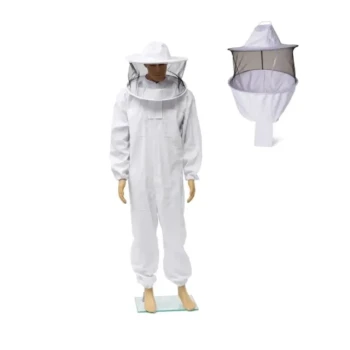
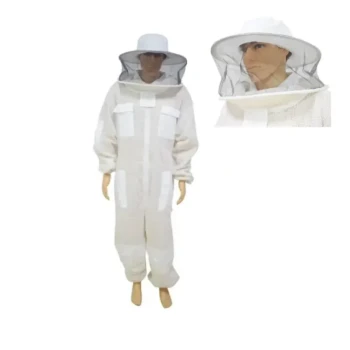
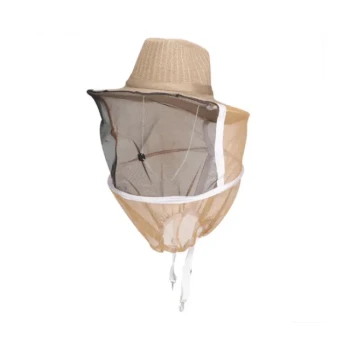
In the context of honeybee defensive behavior research, industrial-grade protective suits and gloves function as calibrated instruments for data collection. Beyond providing physical safety, these items serve as standardized targets that allow researchers to quantify aggression levels by counting stings or attacks within a set timeframe. This transforms the abstract concept of "colony defensiveness" into measurable, statistical data.
Core Takeaway While primarily designed for operator safety, technical protective gear is critical for transforming subjective defensive behaviors into hard metrics. By acting as consistent, durable targets, this equipment enables the rigorous counting of attacks, ensuring that behavioral scores are comparable across different colonies and experimental trials.
Transforming Behavior into Metrics
To scientifically analyze honeybee behavior, researchers must move beyond qualitative observations to quantitative scoring.
Standardizing the Target
In a research setting, the protective suit is not merely armor; it is a standardized experimental variable.
By presenting a consistent surface area to the colony, the gear acts as a uniform target.
This allows researchers to count specific aggressive events—such as the number of bees stinging the gloves or attacking the veil—within a precise window of time.
Establishing Baselines
Using industrial-grade gear ensures that the "predator" appearance remains constant across all trials.
This consistency creates a reliable baseline, ensuring that variations in data reflect the colony's temperament rather than changes in the researcher's appearance or equipment.
Technical Material Requirements
The validity of behavioral research depends heavily on the durability and maintenance of the equipment used.
Withstanding Decontamination
Honeybee stings release alarm pheromones that mark the target for further attacks.
To prevent data contamination between trials, suits and gloves must be frequently cleaned and treated with smoke to neutralize these chemical signals.
Durability Under Stress
Industrial-grade materials are essential because they must withstand this rigorous cycle of stinging, chemical cleaning, and smoke exposure without degrading.
If the material compromises or changes texture over time, it could alter how bees perceive the target, invalidating long-term study results.
Understanding the Trade-offs
While industrial-grade gear is necessary for accurate data collection, there are operational considerations to manage.
The Maintenance Burden
The reliability of your data is entirely dependent on your decontamination protocol.
If alarm pheromones are not perfectly removed from the heavy-duty fabric between trials, the aggression scores for subsequent colonies will be artificially inflated.
Sensitivity vs. Protection
Thick, industrial-grade gloves protect the researcher but reduce tactile sensitivity.
This lack of dexterity can make handling frames clumsy, potentially causing accidental vibrations that trigger a defensive response unrelated to the colony's natural temperament.
Making the Right Choice for Your Goal
Selecting the correct protective equipment depends on whether your objective is scientific quantification or general apiary maintenance.
- If your primary focus is Research and Data Collection: Prioritize gear made from industrial materials that can withstand aggressive scrubbing and neutralization agents to ensure trial-to-trial consistency.
- If your primary focus is Colony Management: Prioritize ergonomic fit and tactile sensitivity to minimize accidental handling stress on the bees.
By treating your protective equipment as a precision tool rather than just clothing, you ensure the integrity of your behavioral data and the safety of your operation.
Summary Table:
| Feature | Role in Research & Data Collection | Technical Advantage |
|---|---|---|
| Standardized Target | Provides a uniform surface for counting stings | Ensures consistent baselines across different colonies |
| Material Durability | Withstands frequent scrubbing and smoke treatment | Prevents material degradation and texture changes |
| Pheromone Neutralization | Allows for total decontamination of alarm signals | Eliminates data contamination between experimental trials |
| Impact Protection | Protects researchers during high-aggression tests | Enables the safe study of highly defensive bee strains |
Elevate Your Apiary Operations with HONESTBEE
At HONESTBEE, we understand that beekeeping equipment is more than just gear—it is the foundation of your productivity and safety. We cater specifically to commercial apiaries and distributors, providing a comprehensive wholesale range of professional beekeeping tools, machinery, and essential consumables.
Whether you need industrial-grade protective suits that withstand the rigors of research, high-efficiency honey-filling machines, or specialized hive-making hardware, our portfolio is designed to meet the demands of large-scale operations.
Partner with HONESTBEE to scale your success. Contact us today to explore our wholesale catalog and expert solutions.
References
- Patrice Kasangaki, Robert Kajobe. <i>Apis mellifera adansonii</i> Is the Most Defensive Honeybee in Uganda. DOI: 10.1155/2018/4079587
This article is also based on technical information from HonestBee Knowledge Base .
Related Products
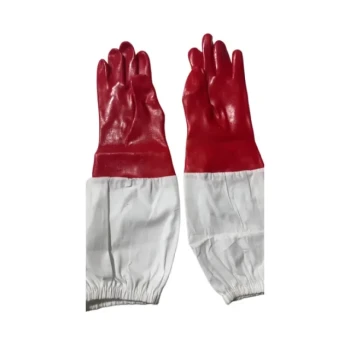
- Heavy Duty Red Rubber Beekeeping Gloves with Extended Pure Cotton Sleeves for Beekeepers
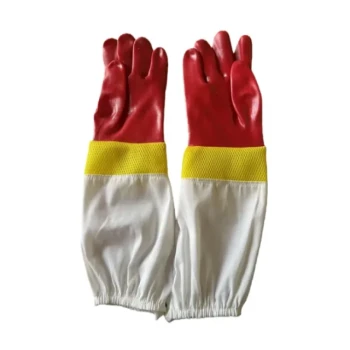
- Heavy Duty Red Rubber Beekeeping Gloves with Vented Mesh Cotton Sleeves
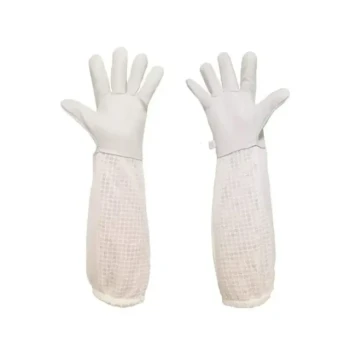
- Premium Ventilated Goatskin Beekeeping Gloves with Full 3-Layer Mesh Sleeve
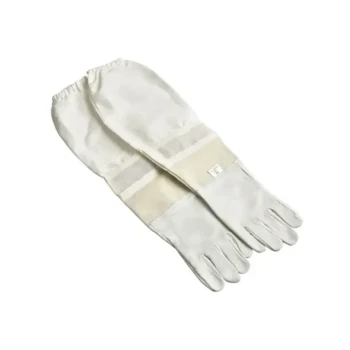
- Goatskin Leather Beekeeper Gloves with Vent Long Sleeve for Beekeeping Honey Bee Sting Proof Protection
- Beekeeping Gloves Goatskin Leather with Long Cotton Sleeve for Beekeepers
People Also Ask
- When might a beekeeper decide to work without gloves? Master Hive Finesse and Dexterity
- Why is cleaning beekeeping gloves necessary? Vital Steps for Apiary Biosecurity and Hive Management
- What factors should be considered when selecting beekeeping gloves? Balance Protection and Dexterity
- What are the benefits of properly cleaning and storing beekeeping gloves? Protect Your Bees, Safety & Investment
- Why is personal preference important when choosing beekeeping gloves? Find Your Perfect Fit for Protection & Dexterity