Complete wax capping serves as the definitive biological signal that honey has reached its optimal maturity and stable moisture content through natural bee processing. Technically, it functions as both a sensory standard for premium comb honey and a critical physical barrier that safeguards the product against environmental moisture and fermentation.
The integrity of the wax seal is the primary verification that honey is fully "ripe" and chemically stable. Without this natural hermetic seal, honey remains vulnerable to moisture absorption, which drastically reduces shelf life and compromises quality.
The Marker of Honey Maturity
Biological Verification
Bees do not seal honeycomb cells arbitrarily. The application of a wax cap indicates that the colony has finished processing the nectar.
Chemical Transformation
This "finishing" process signifies that complex sugars have been broken down and excess water has been evaporated. The cap is the final step in the conversion from unstable nectar to stable honey.
Sensory Standards
For high-quality comb honey products, the visual presence of the cap is a sensory benchmark. It assures the consumer that the product inside has not been harvested prematurely.
Natural Preservation and Stability
The Moisture Barrier
Honey is naturally hygroscopic, meaning it attracts and holds water from the surrounding air. The wax capping acts as a hydrophobic shield, physically preventing ambient humidity from entering the cell.
Preventing Fermentation
The stability of honey relies entirely on low water activity. If moisture levels rise, dormant yeasts naturally present in honey become active.
Long-Term Preservation
By locking the moisture content at a specific, low level, the wax cap inhibits yeast reproduction. This natural preservation mechanism allows the honey to remain shelf-stable for extended periods without spoilage.
Understanding the Risks of Incomplete Capping
The Spoilage Threshold
Harvesting honeycomb before the bees have completed the capping process poses significant technical risks. Honey found in uncapped cells often retains high moisture levels incompatible with long-term storage.
The 80% Guideline
In apiary management, a frame is generally considered safe to harvest only when at least 80% of the cells are capped. Falling below this threshold significantly increases the probability of harvesting "unripe" honey.
Consequences of Early Harvest
If the wax barrier is absent or incomplete, the resulting product is prone to rapid fermentation. This manifests as souring, gas production, and a total degradation of the flavor profile.
Making the Right Choice for Your Goal
When evaluating honeycomb products or determining harvest readiness, the state of the capping is your most reliable metric.
- If your primary focus is long-term storage: Ensure the honeycomb is fully capped, as this natural seal provides the best protection against humidity and fermentation.
- If your primary focus is product quality assurance: Verify that the comb meets the "ripe" standard (typically >80% capped) to guarantee the honey has the correct sugar density and flavor profile.
The wax cap is not merely packaging; it is the guarantee of the honey's chemical stability and biological maturity.
Summary Table:
| Feature | Technical Significance | Impact on Quality |
|---|---|---|
| Biological Signal | Indicates full honey maturity | Ensures optimal sugar density and enzyme activity |
| Moisture Barrier | Prevents hygroscopic water absorption | Maintains low water activity to stop spoilage |
| Hermetic Seal | Inhibits yeast activation | Prevents fermentation and souring during storage |
| Harvest Metric | 80% capping threshold | Guarantees product is "ripe" and shelf-stable |
| Sensory Benchmark | Visual proof of quality | Increases consumer trust in premium comb honey |
Elevate Your Honey Production with HONESTBEE Professional Equipment
At HONESTBEE, we understand that complete wax capping is the hallmark of premium honey. As a dedicated partner to commercial apiaries and global distributors, we provide the industrial tools necessary to harvest, process, and protect your high-quality products.
Whether you are looking for specialized honey-filling machines, precision hive-making machinery, or a full range of wholesale beekeeping tools and consumables, our portfolio is designed to enhance your operational efficiency and product integrity.
Ready to scale your apiary or distribution business? Contact our team today to discover how HONESTBEE's comprehensive equipment solutions can maximize your honey quality and market value.
References
- Murat Sayılı. Tokat İlinde Tüketicilerin Arı Ürünleri Tüketim Durumları Ve Alışkanlıkları. DOI: 10.31467/uluaricilik.162297
This article is also based on technical information from HonestBee Knowledge Base .
Related Products
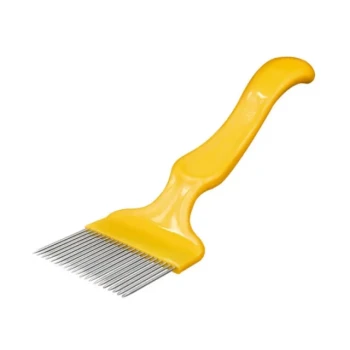
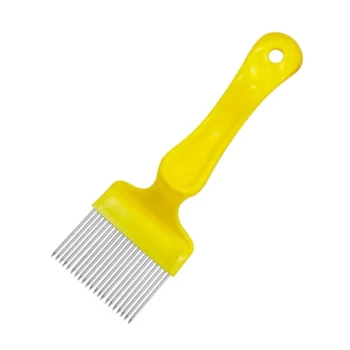
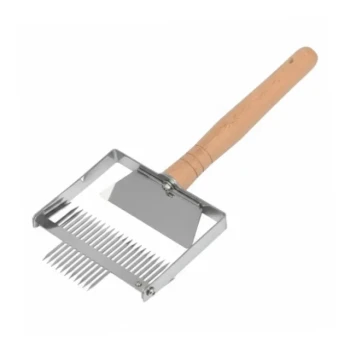
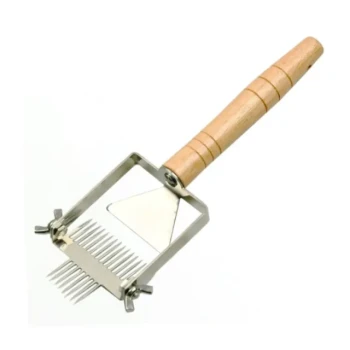
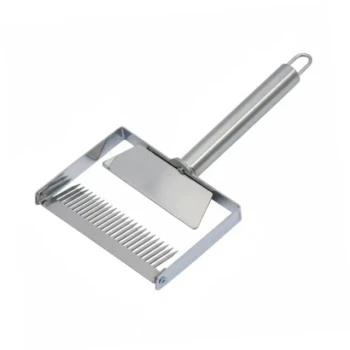
- Professional Honey Uncapping Fork Tool with Customizable Tine Options
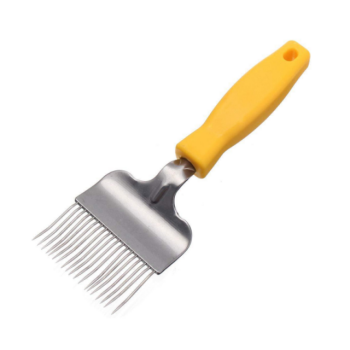
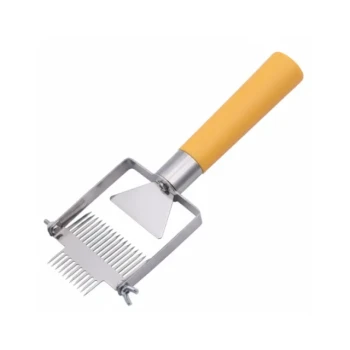
- Professional Bent Tine Honey Uncapping Fork with Ergonomic Grip
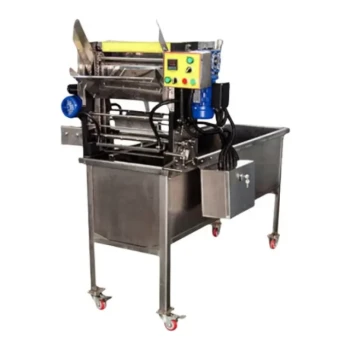
- Professional Honey Uncapping Roller for Efficient Harvesting
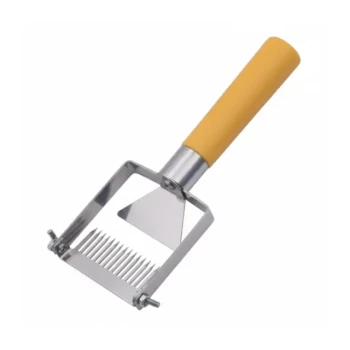
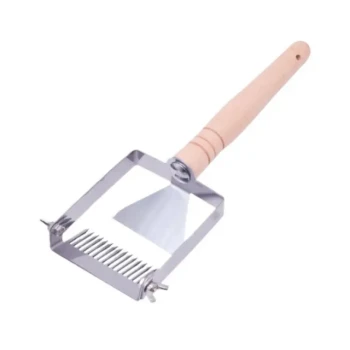
- Professional Customizable Honey Uncapping Fork with Adjustable Tine Options
- Honey Wax Separating Wax Press with Metal Screw Wax Separator Machine
People Also Ask
- What tools are used for honey uncapping? Choose the Right Knife for Your Harvest
- What is the primary function of specialized honey uncapping tools? Maximize Your Extraction Yield and Efficiency
- What other tools are available for honey uncapping besides knives? Find the Right Tool for Your Apiary's Scale
- What are the essential tools for uncapping honey frames? Choose the Right Tool for Your Apiary
- What are the tools used for uncapping honeycombs? Expert Guide to Tools & Functions for Maximum Yield