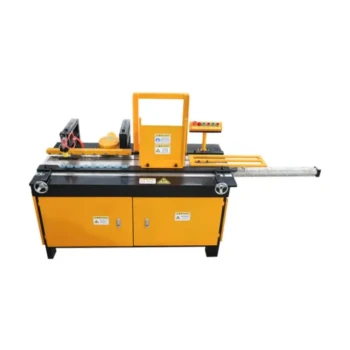
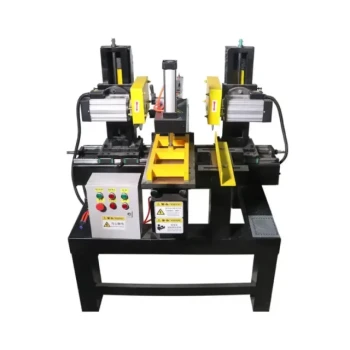
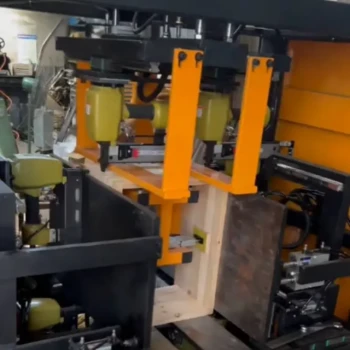
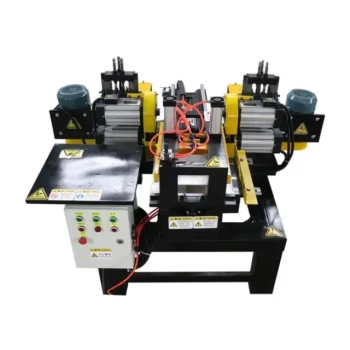
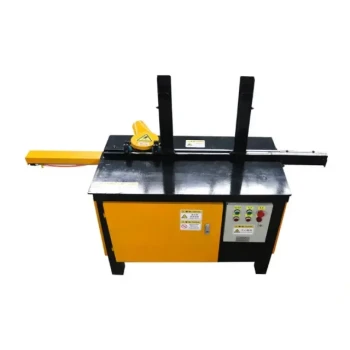
The technical significance of hive-making machines lies in their ability to enforce absolute dimensional consistency through high-precision woodworking and modular assembly. By automating the production of components like frames, bottom boards, and covers, these machines ensure tight structural closure and uniform specifications. This precision is the foundational requirement for minimizing biological risks—such as bee robbing and heat loss—while establishing the standardized infrastructure necessary for rapid commercial deployment and maintenance.
The core value of automated hive manufacturing is the transition from artisanal variation to industrial standardization. By eliminating gaps and ensuring every component is interchangeable, these machines create a stable environment for colony health and a predictable hardware ecosystem that enables mechanized, large-scale apiary management.
The Critical Role of Precision in Colony Biology
For a commercial apiary, the structural integrity of the hive is not just about durability; it is a biological necessity. Hive-making machines deliver the sub-millimeter precision required to optimize the internal environment of the colony.
Eliminating Biological Vulnerabilities
Manual construction often results in slight irregularities or gaps between hive components. High-precision machine processing eliminates these imperfections, ensuring a tight closure of the hive body.
This is technically significant because it effectively prevents bee robbing—a phenomenon where bees from other colonies invade through gaps to steal resources—which can devastate weaker colonies in a crowded apiary.
Optimizing Thermal Efficiency
Bees consume significant energy resources to regulate the temperature and humidity within the hive. Machine-made components fit together seamlessly to minimize external heat loss.
By maintaining a sealed and insulated environment, the colony can redirect energy from heating to brood rearing and honey production, directly improving survival rates and productivity.
Operational Efficiency Through Standardization
Beyond biological benefits, the primary technical contribution of these machines is the creation of a fully standardized hardware ecosystem.
Total Component Interchangeability
In a manual setup, a frame from Hive A might not fit perfectly into Hive B. Industrial hive-making machines produce components that are fully interchangeable across thousands of colonies.
This eliminates the logistical nightmare of sorting equipment. A frame, lid, or super produced today will fit perfectly with equipment produced two years ago, streamlining maintenance and reducing labor intensity.
Enabling Mechanization
Large-scale apiaries rely on automated honey extraction lines and mechanized loading systems for migration. These systems require strict adherence to specific dimensions.
Standardized hive bodies and frames produced by these machines ensure smooth integration with mechanized extraction and handling equipment, preventing jams or damage during high-volume processing.
Understanding the Trade-offs
While hive-making machines offer transformative benefits for scale, it is essential to recognize the constraints and potential pitfalls associated with this technology.
The Risk of Scaled Errors
The efficiency of automation is a double-edged sword. If the machine's calibration drifts or a design flaw is introduced in the "bee space" settings, that error is replicated across thousands of units instantly.
Operators must perform rigorous quality assurance, as a batch of slightly off-spec frames can render an entire season's equipment incompatible with existing stock.
Capital Intensity vs. Recovery
Implementing in-house hive manufacturing requires a significant upfront investment in machinery. While this lowers the long-term cost per unit and can shorten the capital recovery period to approximately two years, it shifts the financial burden to the start of the project.
Apiaries must have sufficient scale to justify this fixed asset investment; for smaller operations, the ROI may not materialize quickly enough to be viable.
Strategic Asset Management
The ability to produce hives in-house fundamentally changes how an apiary manages its physical assets.
Rapid Infrastructure Deployment
Commercial beekeeping often requires sudden expansion, such as splitting colonies in the spring to capitalize on a honey flow.
Hive-making machines allow for the rapid deployment of new infrastructure. Beekeepers are not reliant on external suppliers' lead times, ensuring that housing is available exactly when the biological cycle of the bees demands it.
Cost Control and Asset Turnover
By bringing production in-house, apiaries reduce the logistical complexity and costs associated with procuring equipment.
Standardized production lowers the cost of fixed asset investment over time and simplifies the management of equipment turnover, making the financial model of the apiary more predictable and sustainable.
Making the Right Choice for Your Goal
The decision to integrate hive-making machinery should be driven by the specific bottlenecks in your current operation.
- If your primary focus is Colony Health: Prioritize machines that offer the highest precision in joinery to ensure airtight seals that prevent robbing and improve thermal regulation.
- If your primary focus is Operational Scale: Focus on machines that guarantee rigid adherence to industry standards (like ISI) to ensure seamless compatibility with automated extraction lines and migratory loading equipment.
Ultimately, the technical value of a hive-making machine is that it transforms the beehive from a variable variable into a reliable constant, allowing you to focus on managing bees rather than fixing wood.
Summary Table:
| Technical Aspect | Impact on Apiary Operations | Primary Benefit |
|---|---|---|
| Dimensional Precision | Eliminates gaps and structural irregularities | Prevents bee robbing and minimizes heat loss |
| Modular Assembly | Guarantees 100% component interchangeability | Streamlines maintenance and logistics |
| Standardization | Seamless integration with automated extraction | Enhances mechanized handling and productivity |
| In-house Production | Rapid deployment of hive infrastructure | Reduces lead times and lowers long-term unit costs |
Scale Your Beekeeping Enterprise with HONESTBEE
At HONESTBEE, we empower commercial apiaries and distributors with the industrial tools needed for global success. Our comprehensive wholesale offering includes high-precision hive-making machines, honey-filling lines, and a full spectrum of professional beekeeping equipment.
How we add value to your business:
- Precision Engineering: Ensure your hives meet the rigorous standards required for automated processing.
- Complete Solutions: From specialized machinery to essential consumables and honey-themed merchandise, we are your one-stop industrial partner.
- Operational Efficiency: Reduce costs and take control of your supply chain with our durable, high-capacity equipment.
Ready to transition from artisanal variation to industrial excellence? Contact us today to discuss your wholesale requirements and equipment needs!
References
- Jaime Rendón–von Osten, Omar Arellano‐Aguilar. Glifosato en Tizimin: Agricultura y Apicultura. DOI: 10.26359/52462.0704
This article is also based on technical information from HonestBee Knowledge Base .
Related Products
- High-Efficiency Pneumatic Bee Hive Making Machine for Rapid Box Assembly
- Mini Desktop Bee Hive Frame Forming Making Machine
- Beehive Handle and Frame Rest Cutting Machine: Your Specialized Hive Machine
- Beehive Machine Double End Saw for Precision Hive Component Manufacturing
- Automatic High-Speed Bee Hive Box Stapling Machine
People Also Ask
- How does the introduction of professional beehive-making machinery benefit sustainable beekeeping? Scale Your Apiary
- Why is specialized beehive-making machinery critical for low-defense breeding? Enhance Selection with Precision Tools
- How does the introduction of specialized beehive making machinery contribute to increasing the scale of regional beekeeping industries?
- What is the importance of specialized beehive making machinery in a circular bio-economy? Build Local Sustainability
- Why is specialized beehive-making machinery essential? Scale Your Apiary with Precision Industrial Standards