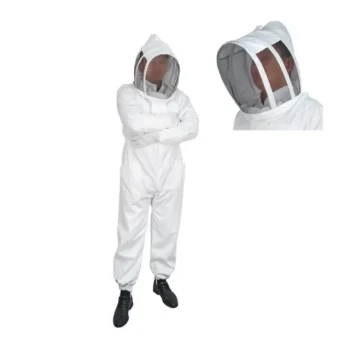
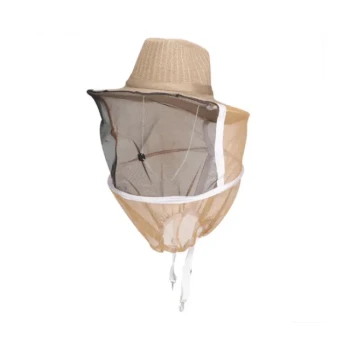
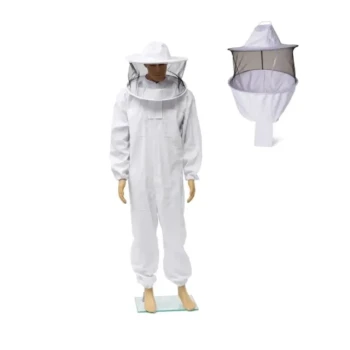
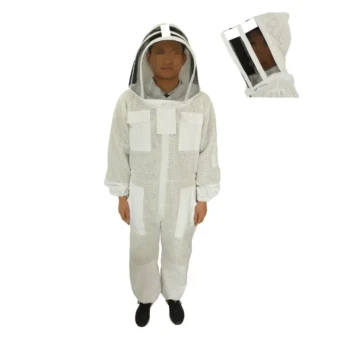
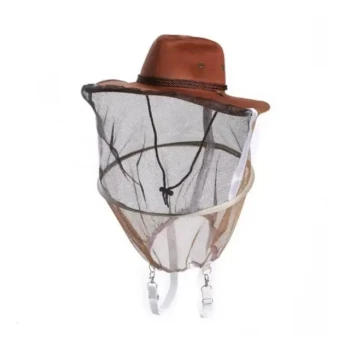
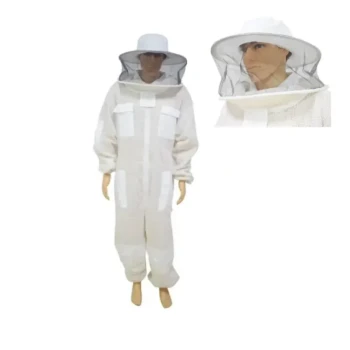
Professional protective gear serves a dual purpose in apicultural fieldwork. While its most immediate function is ensuring personnel safety, its technical significance lies in providing physical isolation between the researcher and the colony. This barrier minimizes human interference, ensuring that the sampling process does not trigger a defensive cascade that would alter the data.
Core Takeaway Beyond preventing injury, professional protective equipment creates a controlled environment by reducing colony disturbance. This preserves "near-natural" conditions during interaction, thereby minimizing sampling bias and ensuring the data collected accurately reflects the colony’s true status.
The Mechanics of Isolation and Data Quality
Minimizing Biological Disturbance
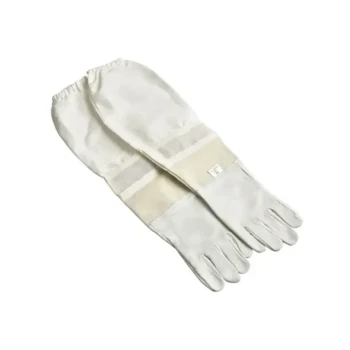
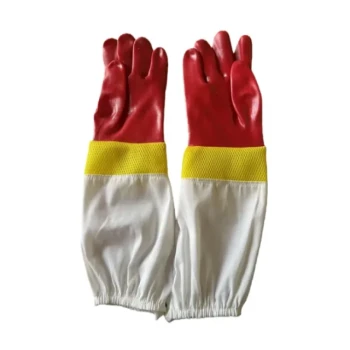
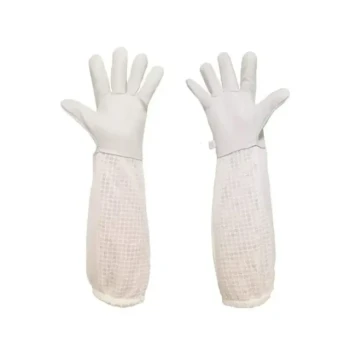
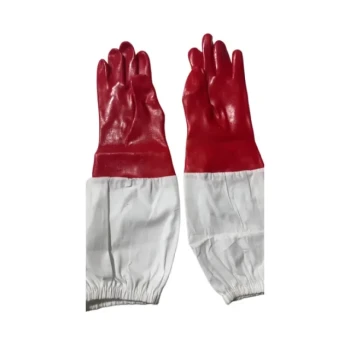
The primary technical role of the suit and gloves is to act as a buffer against human interference.
Without this physical isolation, the presence of an operator can trigger immediate defensive behaviors in the hive.
Preserving Near-Natural Conditions
Scientific accuracy requires observing the subject in a state as close to equilibrium as possible.
By reducing the colony's reaction to the sampler, protective gear allows the hive to remain in near-natural conditions throughout the procedure.
Ensuring Representative Samples
When a colony enters a defensive state, the behavior and distribution of the bees change rapidly.
Collecting samples during a defensive spike introduces sampling bias, as the bees captured may not represent the general population.
Protective gear mitigates this risk, ensuring the biological samples are truly representative of the colony status.
Understanding the Risks of Interference
The "Observer Effect" in Apiculture
A common pitfall in sampling is underestimating how human interaction alters the subject being studied.
If the protective barrier is compromised or absent, the resulting increase in defensive behavior invalidates the "snapshot" nature of the sample.
Balancing Safety and Science
The gear must be viewed not just as personal protective equipment (PPE), but as a tool for experimental control.
Failure to utilize adequate isolation leads to distorted data, where the stress response of the colony overshadows its baseline health markers.
Making the Right Choice for Your Goal
If your primary focus is Personnel Safety:
- Use professional suits and gloves to provide robust physical isolation from the colony's defensive mechanisms.
If your primary focus is Data Integrity:
- Rely on the gear to minimize behavioral disturbance, ensuring your samples are free from bias caused by colony agitation.
Ultimately, the protective suit is not merely a shield, but a critical instrument for maintaining the scientific validity of the sampling process.
Summary Table:
| Technical Aspect | Function of Protective Gear | Impact on Sampling Data |
|---|---|---|
| Physical Isolation | Provides a buffer between researcher and colony | Minimizes defensive behavior and stress markers |
| Colony Equilibrium | Preserves near-natural conditions during handling | Ensures the sample represents the colony's true status |
| Bias Mitigation | Reduces defensive spikes and distribution changes | Prevents sampling bias and inaccurate snapshots |
| Personnel Safety | Robust physical protection from stings | Allows operator to focus on precise sampling techniques |
Elevate Your Beekeeping Operations with HONESTBEE
Maintaining data integrity and colony health requires the right tools. As a premier partner for commercial apiaries and distributors, HONESTBEE provides a comprehensive wholesale range designed for professional excellence. Whether you need high-performance protective gear to ensure sampling accuracy or industrial-grade beekeeping machinery—including hive-making and honey-filling machines—we deliver the specialized hardware your business demands.
From essential consumables to honey-themed cultural merchandise, we equip you with everything needed to scale your operations and satisfy your clients. Contact us today to discuss how our professional-grade equipment and wholesale solutions can optimize your apiary's productivity and scientific precision.
References
- Gizachew Gemechu. Prevalence and Associated Risk Factors of Bee Lice in Holeta and its Suroundings, Ethiopia. DOI: 10.4172/2157-7579.1000130
This article is also based on technical information from HonestBee Knowledge Base .
Related Products
- Goatskin Leather Beekeeper Gloves with Vent Long Sleeve for Beekeeping Honey Bee Sting Proof Protection
- Beekeeping Gloves Goatskin Leather with Long Cotton Sleeve for Beekeepers
- Heavy Duty Red Rubber Beekeeping Gloves with Vented Mesh Cotton Sleeves
- Goat Skin Leather Bee Sting Proof Beekeeping Gloves with Canvas Sleeve
- Premium Ventilated Goatskin Beekeeping Gloves with Full 3-Layer Mesh Sleeve
People Also Ask
- What are the characteristics of goatskin beekeeping gloves? Enhance Dexterity and Protection in Your Apiary
- Why is it important to have gloves available even if not always worn? Essential Risk Management for Beekeepers
- What are the primary purposes of using beekeeping gloves? Protect Your Hands and Ensure Apiary Hygiene
- Why do some experienced beekeepers opt not to wear gloves? Discover the Benefits of Tactile Precision
- Why is it important for beekeepers to wear gloves? Essential Safety and Confidence for Hive Management