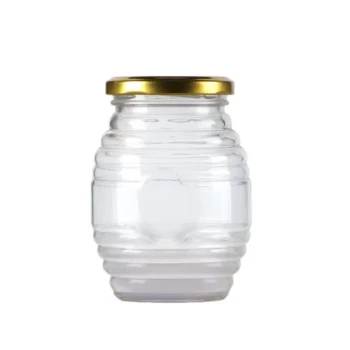
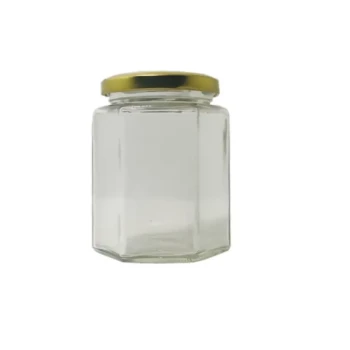
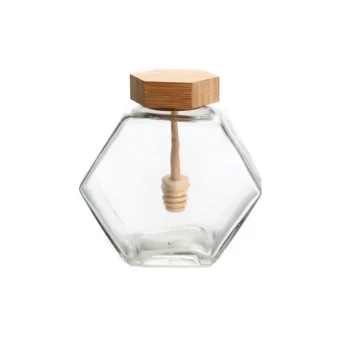
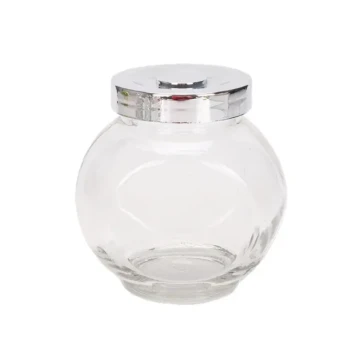
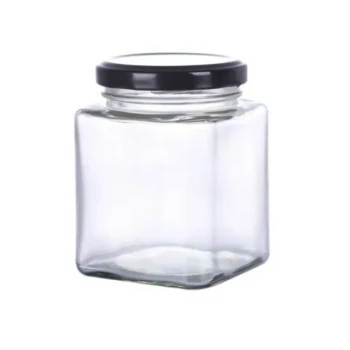
The primary technical significance of using sealed glass bottles for honey sampling is the absolute preservation of chemical and biological integrity. By utilizing the chemical inertness of glass combined with a hermetic seal, you prevent the sample from reacting with its container or the external environment. This ensures that the physicochemical properties analyzed in the laboratory accurately reflect the original state of the honey at the time of collection.
Honey is a hygroscopic, acidic, and biologically active substance that creates unique storage challenges. The use of sealed glass bottles is not merely a packaging choice but a fundamental scientific control to prevent moisture absorption, fermentation, and chemical migration that would otherwise invalidate analytical data.
The Principle of Chemical Inertness
Preventing Container Migration
The validity of any chemical analysis depends on the container not altering the contents. Glass is chemically inert, meaning it does not react with the substances it holds. Unlike certain plastics, which can migrate trace metals or synthetic compounds into the sample, glass ensures the honey’s original mineral profile remains pure.
Compatibility with Acidity
Honey is naturally a weak acid. This acidity can trigger reactions in reactive packaging materials, leading to contamination. High-cleanliness glass bottles remain stable when in contact with acidic compounds, preventing the introduction of foreign impurities that could skew physicochemical data.
Controlling Hygroscopicity and Fermentation
The Moisture Barrier
Honey is highly hygroscopic, meaning it actively attracts and absorbs moisture from the surrounding air. If a sample is exposed to humidity during transport, its water concentration will rise. A sealed glass bottle provides a superior barrier, effectively blocking external moisture ingress and locking in the sample's original moisture content.
Inhibiting Spoilage
The influx of moisture is the precursor to spoilage. If honey absorbs enough water, naturally occurring yeasts may activate, causing fermentation. By maintaining a strict seal, you prevent the hygroscopic absorption that leads to fermentation, thereby stabilizing the sample for accurate microbial and chemical testing.
Preserving Bioactive Stability
Protecting Enzymes
Honey contains sensitive biochemical components, including enzymes like catalase and amylase. These are critical markers of honey quality but are easily degraded. The isolation provided by sealed glass protects these heat-sensitive enzymes from environmental degradation, ensuring that subsequent biochemical indicator testing remains accurate.
Pollen and Trace Analysis
For researchers focusing on botanical origin, preserving the pollen profile is essential. The inert environment of a sealed glass bottle ensures that the microbial communities and pollen grains are not chemically disturbed or contaminated by the container material, preserving the reliability of pollen identification.
Understanding the Trade-offs
Light Sensitivity
While standard clear glass allows for the visual assessment of color and purity, it does not inherently block ultraviolet (UV) light. Strong light can degrade light-sensitive bioactive substances, such as antioxidant phenolic compounds. For comprehensive preservation, the transparency of standard glass must be weighed against the need for light protection.
Physical Constraints
Glass offers superior chemical stability but introduces logistical challenges regarding weight and fragility compared to plastic. However, in the context of scientific sampling, the priority is data integrity over transport convenience. The risk of trace metal contamination from plastic generally outweighs the handling benefits of non-glass containers.
Making the Right Choice for Your Goal
Selecting the specific type of glass packaging depends on the specific parameters you intend to measure in the laboratory.
- If your primary focus is general physicochemical analysis: Use high-cleanliness clear glass bottles to ensure chemical inertness while allowing for visual inspection of the sample's color and physical state.
- If your primary focus is bioactive or antioxidant research: Prioritize dark (amber) glass bottles to block UV rays and prevent the degradation of light-sensitive phenolic compounds.
- If your primary focus is microbial safety: Ensure the glass bottles are sterilized and equipped with tight-sealing caps to completely isolate the sample from external microbial contamination.
Data reliability begins with the sample container; without the inert isolation of sealed glass, the accuracy of the final analysis is compromised before the work even begins.
Summary Table:
| Technical Factor | Impact of Glass Usage | Benefit to Honey Analysis |
|---|---|---|
| Chemical Inertness | Prevents container migration and trace metal contamination. | Maintains original mineral and mineral profiles. |
| Acidity Compatibility | Stable against honey's natural acidity. | Prevents introduction of foreign impurities. |
| Moisture Barrier | Blocks hygroscopic absorption from the atmosphere. | Prevents water concentration changes and fermentation. |
| Enzymatic Stability | Isolates samples from environmental degradation. | Preserves catalase and amylase for quality testing. |
| Light Protection | Amber glass blocks UV-induced degradation. | Protects sensitive antioxidant phenolic compounds. |
Secure Your Honey Quality with HONESTBEE
At HONESTBEE, we understand that maintaining the purity of your honey is critical for your brand's reputation and laboratory accuracy. Whether you are a commercial apiary or a wholesale distributor, we provide high-quality beekeeping tools, honey-processing machinery, and premium consumables designed for industry professionals.
From industrial honey-filling machines to specialized hardware and cultural merchandise, HONESTBEE is your one-stop partner for success. Contact us today to discover how our comprehensive wholesale solutions can streamline your operations and safeguard your product integrity.
References
- Luís Carlos Marchini, Geni da Silva Sodré. Physicochemical composition of Apis mellifera honey samples from São Paulo State, Brazil. DOI: 10.1590/s0100-40422007000700029
This article is also based on technical information from HonestBee Knowledge Base .
Related Products
- Classic Glass Honey Jar with Metal Lug Cap for Beehive Storage
- Hexagonal Glass Honey Jars with Metal Lug Caps Elegant Versatile Packaging
- Hexagonal Glass Honey Jar with Wooden Lid Integrated Dipper Elegant Functional Storage
- Classic Drum Shaped Glass Honey Jar with Airtight Lid
- Classic Round Glass Honey Jar with Lid
People Also Ask
- What are the benefits of glass jars regarding strength and safety for storing honey? Ensure Purity and Long-Term Quality
- What are the advantages of using glass jars for honey storage? Ensure Purity and Premium Appeal for Your Product
- What are the benefits of using high-transparency Glass Jars for honey? Elevate Purity and Premium Branding
- What is the aesthetic appeal of using glass jars for honey? Elevate Your Brand with Premium Packaging
- Which container is best for storing honey? Preserve Purity & Flavor with the Right Choice