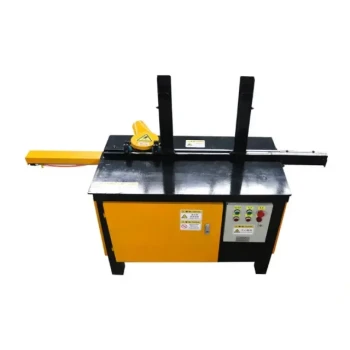
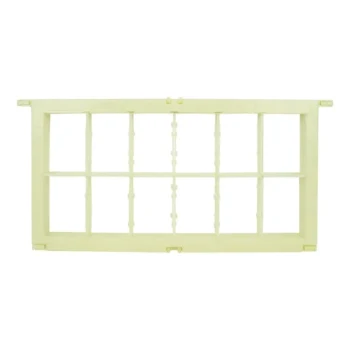
The technical significance of standardized beehives and specific hive frame dimensions lies in their ability to eliminate physical variability as a factor in scientific experimentation. By adhering to precise specifications—such as utilizing frames measuring 300mm by 470mm by 37mm—researchers establish a controlled baseline for initial colony weight and total frame capacity.
Core Takeaway Standardization converts the beehive from a variable into a constant, ensuring that data reflects actual biological changes rather than equipment inconsistencies. This physical uniformity is a prerequisite for accurately measuring complex ecological interactions, such as the competition between honeybees and wild pollinators.
Ensuring Experimental Consistency
The primary value of standardized equipment in research is the rigorous control of experimental variables. Without this control, data regarding colony performance becomes unreliable.
Controlling Initial Conditions
Standardized dimensions allow researchers to strictly control the initial weight of bee colonies. By ensuring every colony starts with the exact same physical capacity and frame count, researchers remove equipment disparity from the equation.
Predicting Foraging Pressure
Uniform equipment results in a predictable population density and resource requirement within the hive. This creates a uniform foraging pressure on the surrounding environment.
Quantifying Ecological Competition
To accurately measure the degree of competition between honeybees and wild bee populations, the "output" of the honeybee colony must be stable. Standardization ensures that foraging ranges and intensities are comparable across different distances and treatment groups.
Facilitating Biological Precision
Beyond simple measurements, standardized frames support the natural biological behaviors of the bees, ensuring that behavioral observations are not skewed by structural impediments.
Enabling Accurate Communication
High-precision manufacturing ensures vertical honeycombs meet uniform specifications. This is vital for biological communication, specifically allowing bees to perform the waggle dance at precise angles to communicate resource locations.
Optimizing Internal Colony Layout
Standardized frames and wax foundations provide a structured guide for comb building. This ensures a logical and consistent distribution between honey storage, pollen reserves, and brood areas, reducing internal colony stress.
Enhancing Data Collection and Operability
Modern research often relies on integrating technology with traditional beekeeping. Standardized dimensions provide the physical platform necessary for these advanced tools.
Integration with Smart Monitoring
Uniform hive dimensions enable the seamless integration of digital monitoring tools, such as acoustic sensors and high-precision weighing equipment. This allows for automated, non-invasive data collection regarding colony health.
Comparability Across Treatment Groups
In field trials, particularly those using Langstroth designs, uniform dimensions ensure environmental consistency. This allows data collected from one group to be statistically compared to another with high confidence.
Understanding the Trade-offs
While standardization provides immense benefits for research validity, it requires strict adherence to manufacturing quality to be effective.
Dependence on Manufacturing Precision
The benefits of standardization are lost if the manufacturing lacks precision. High-precision processing is required to ensure superior sealing properties; without it, colonies become vulnerable to winter conditions and pests, skewing survival data.
Sensitivity to Landscape Changes
Standardized units are highly efficient, but they cannot compensate for poor forage. Research shows that in monoculture environments (like soybean fields), yields can drop by 60% regardless of equipment quality. Standardization helps reveal these environmental deficits but does not mitigate them.
Making the Right Choice for Your Research
Selecting the correct equipment standards depends on the specific variables you intend to isolate.
- If your primary focus is Ecological Competition: Prioritize strict adherence to frame dimensions (e.g., 300mm x 470mm) to ensure uniform foraging pressure across all test distances.
- If your primary focus is Colony Health Monitoring: Ensure your standardized hives feature modular designs compatible with high-precision weighing equipment and acoustic sensors.
- If your primary focus is Migratory Studies: Select high-precision components designed for secure stacking to minimize transport damage and stress variables.
Standardization is the bedrock of reproducible beekeeping science, turning the hive into a precise instrument of measurement rather than a mere shelter.
Summary Table:
| Key Feature | Research Benefit | Technical Application |
|---|---|---|
| Standard Frame Size | Eliminates equipment disparity | Controls initial colony weight and total capacity (e.g., 300x470x37mm). |
| Uniform Dimensions | Ensures data comparability | Allows for consistent foraging pressure across different treatment groups. |
| Precision Manufacturing | Supports biological behaviors | Facilitates accurate waggle dance angles and optimal internal colony layout. |
| Modular Design | Seamless tech integration | Enables the use of acoustic sensors and high-precision weighing equipment. |
| High-Precision Sealing | Reduces environmental stress | Protects colonies from pests and winter conditions to stabilize survival data. |
Elevate Your Apiary Operations with HONESTBEE
At HONESTBEE, we understand that precision is the foundation of both scientific research and commercial success. As a leading provider for commercial apiaries and distributors, we offer a comprehensive wholesale range of high-precision beekeeping tools and machinery designed to meet the strictest industry standards.
Why partner with HONESTBEE?
- Full-Spectrum Supply: From standardized hive-making and honey-filling machines to essential industry consumables.
- Unmatched Precision: Our equipment ensures the consistency required for large-scale operations and data-driven beekeeping.
- Global Distribution: We cater to the specialized needs of distributors with a diverse portfolio of hardware and honey-themed cultural merchandise.
Whether you are looking to modernize your production line or source reliable equipment for your distribution network, HONESTBEE provides the quality and scale you need. Contact us today to explore our wholesale offerings!
References
- Imre Demeter, Miklós Sárospataki. Variation of Small and Large Wild Bee Communities Under Honeybee Pressure in Highly Diverse Natural Habitats. DOI: 10.3389/fevo.2021.750236
This article is also based on technical information from HonestBee Knowledge Base .
Related Products
- Stainless Steel Bee Hive Frame Wire for Beekeeping
- Wooden Bee Hive Frames for Beekeeping and Wholesale
- Assembled Wooden Bee Frames with Plastic Foundation for Durability and Convenience by HONESTBEE
- Professional Galvanized Steel Frame Rest for Beehives
- Plastic Bee Frame Beekeeping Hive Frames for Wholesale
People Also Ask
- What are the arguments for and against wiring beehive frames? Balance Durability and Management Flexibility
- What are the drawbacks of wiring beehive frames? Key Limitations and Structural Trade-offs Revealed
- How is the wire secured at the top of the frame? A Guide to Locking in Tension for Strong Honeycomb
- What factors determine the amount of wiring needed in beehive frames? Tailor Your Strategy for Your Climate
- What tools are needed to wire a beehive frame? Essential Equipment for Durable Frame Construction