Placing beehive frames directly on the ground during inspections exposes your colony to immediate physical risks. Specifically, this practice frequently results in crushed bees, structural damage to the honeycomb, honey leakage, and the contamination of frames with debris such as grass, leaves, and dirt.
The integrity of the hive relies on maintaining a clean, enclosed environment. Setting frames on the ground disrupts this by introducing foreign contaminants and causing physical damage, forcing the colony to waste energy on cleanup and repair.
The Physical Impact on the Colony
Unintentional Bee Mortality
One of the most immediate issues with grounding frames is the high risk of crushing bees.
When a frame is lowered onto an uneven surface like grass or dirt, bees clinging to the bottom or sides of the frame are often killed or injured.
Damage to the Comb Structure
Beeswax comb is delicate, particularly when heavy with honey or brood.
Placing a frame on the ground, or leaning it precariously, can cause the comb to deform or break. This physical damage often leads to honey seeping out, creating a mess that wastes resources and attracts pests.
Hygiene and Contamination Issues
Introduction of Foreign Debris
Frames placed on the ground act as magnets for ground litter.
Sticky surfaces easily pick up grass, leaves, and dirt. When the frame is returned to the hive, this debris is introduced into the sterile environment of the colony.
Disruption of Hive Cleanliness
Bees are naturally hygienic creatures that prefer a tidy living space.
Introducing dirty frames forces the colony to divert energy toward removing the foreign matter. This unnecessary labor distracts them from vital tasks like foraging and brood rearing.
The Hidden Cost of Convenience
Short-Term Speed vs. Long-Term Stress
It is often tempting to lean a frame against the hive or set it down quickly to inspect the next one.
However, the time saved in the moment is negated by the stress placed on the colony. The "convenience" of using the ground results in a chaotic workspace that compromises the bees' meticulous organization.
Risks of Leaning Frames
Even leaning frames against the hive box, rather than laying them flat, carries risks.
This method still exposes the bottom of the frame to the ground and potential crushing hazards. Furthermore, unstable frames can slip, leading to further agitation and potential injury to the queen or workers.
Making the Right Choice for Your Goal
To maintain a healthy apiary, your handling of frames should minimize contact with external surfaces.
- If your primary focus is Colony Welfare: Avoid placing frames on the ground entirely to prevent accidental bee mortality and preserve the structural integrity of the comb.
- If your primary focus is Hive Hygiene: Keep frames elevated to ensure no grass, dirt, or foreign debris enters the hive, respecting the bees' preference for a clean environment.
By keeping your frames off the ground, you protect the colony’s resources and reduce unnecessary stress during inspections.
Summary Table:
| Issue Category | Specific Problem | Impact on the Colony |
|---|---|---|
| Physical Risk | Crushing Bees | Direct mortality of workers and potential risk to the queen. |
| Structural | Comb Deformation | Honey leakage and wasted resources on structural repairs. |
| Sanitation | Foreign Debris | Introduction of dirt and grass into a sterile environment. |
| Energy Cost | Hive Maintenance | Diverts energy from foraging/brooding to cleaning tasks. |
| Stability | Slips & Falls | Increased agitation and physical injury from unstable leaning. |
Elevate Your Apiary Standards with HONESTBEE
Protecting your colony starts with the right equipment and professional handling. HONESTBEE provides commercial apiaries and distributors with the high-quality tools necessary to maintain a pristine hive environment.
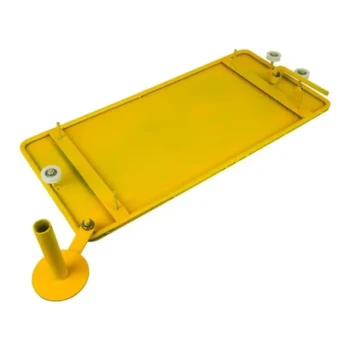
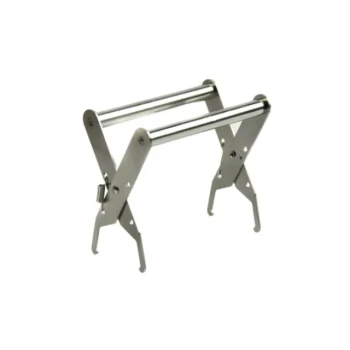
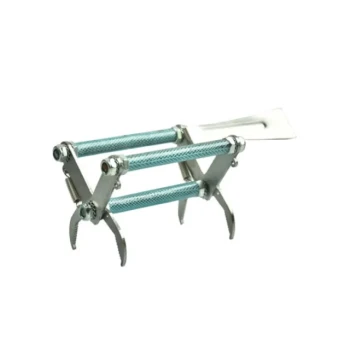
From specialized hive-making machinery to ergonomic frame holders and honey-themed cultural merchandise, we offer a comprehensive wholesale portfolio designed to enhance your operational efficiency and colony welfare.
Ready to scale your beekeeping business? Contact us today to explore our full spectrum of beekeeping machinery and tools and discover the HONESTBEE advantage for professional beekeepers.
Related Products
- Stainless Steel Bee Hive Frame Wire for Beekeeping
- Wooden Bee Hive Frames for Beekeeping and Wholesale
- Heavy-Duty Stainless Steel Clip-On Frame Perch
- Assembled Wooden Bee Frames with Plastic Foundation for Durability and Convenience by HONESTBEE
- Professional Galvanized Steel Frame Rest for Beehives
People Also Ask
- What are the arguments for and against wiring beehive frames? Balance Durability and Management Flexibility
- What are the drawbacks of wiring beehive frames? Key Limitations and Structural Trade-offs Revealed
- How is the wire secured at the top of the frame? A Guide to Locking in Tension for Strong Honeycomb
- What factors determine the amount of wiring needed in beehive frames? Tailor Your Strategy for Your Climate
- What tools are needed to wire a beehive frame? Essential Equipment for Durable Frame Construction