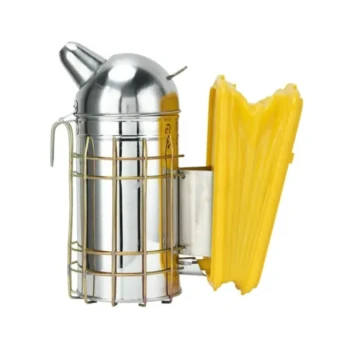
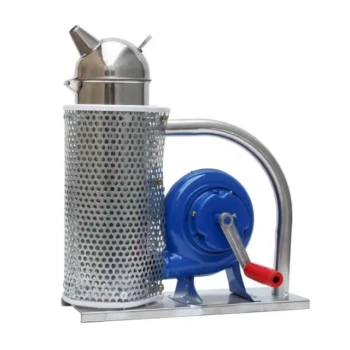
To properly light and maintain a bee smoker, you need three distinct components: a physical smoker, a source of ignition (such as a lighter), and a two-stage fuel system consisting of a fast-burning starter and a slow-burning bulk fuel. While specific choices vary by region, the most reliable materials for starting the fire are cardboard, crumpled newspaper, or untreated burlap, while pine cones and wood shavings are the standard for sustaining the smoke.
Effective smoker operation requires a "two-fuel" approach. You must establish a high-heat base using light, combustible tinder before adding dense, slow-burning materials to generate the cool, white smoke necessary for calming bees.
The Starter Phase: Creating the Spark
The first materials you need are "starters." These are highly combustible items used to create the initial heat required to ignite denser fuels.
Cardboard and Paper Products
Cardboard and crumpled newspaper are the most accessible starter materials. They catch fire instantly and create a sufficient bed of coals to ignite larger fuel sources.
Untreated Burlap
Untreated burlap (often called Hessian fabric) is a traditional favorite among apiarists. It ignites easily and produces a clean smoke, provided it has not been treated with agricultural chemicals or preservatives.
Paper Egg Cartons
Though not explicitly in the primary list, cardboard egg cartons function similarly to standard cardboard. They are porous and hold a flame well, making them an excellent alternative for the ignition layer.
The Fuel Phase: Sustaining the Smoke
Once the starter material is burning well, you must add "bulk" fuel. These materials smolder slowly, providing the volume of smoke needed for an inspection without requiring constant relighting.
Pine Cones
Pine cones are a premier choice for bulk fuel. Their structure allows for excellent airflow, preventing the smoker from choking out while providing a long, consistent burn.
Wood Shavings and Pellets
Wood shavings and compressed wood pellets offer a dense fuel source. Because they pack tightly, they can burn for extended periods, though they require a well-established fire base to catch properly.
Pine Needles
Pine needles (or pine straw) are widely available and free. They produce a pleasant-smelling smoke and are excellent for filling the volume of the smoker canister.
Natural Fibers and Debris
Other suitable bulk fuels include corn cobs, dried leaves, punk wood (soft, rotted wood), and sumac bobs. Cotton rags are also effective, provided they are made of 100% natural fibers.
Critical Trade-offs and Safety Principles
Choosing the wrong material can irritate your bees or even contaminate the hive.
Avoid Synthetic Materials
You must strictly avoid synthetic fabrics and plastics. These materials melt rather than burn, releasing toxic fumes that are harmful to both the colony and the beekeeper.
Beware of Chemical Treatments
Never use bleached paper or treated twine (such as bailer twine treated with rodenticides). The chemicals released during combustion can be lethal to bees. Always verify that burlap and twine are untreated.
The Danger of Liquid Accelerants
Do not use liquid fuels (like gasoline or lighter fluid) to start your smoker. They are volatile, dangerous to handle near a wooden hive, and leave chemical residues that contaminate honey and wax.
Making the Right Choice for Your Goal
The "best" fuel often depends on what is locally available and the duration of your hive inspection.
- If your primary focus is quick ignition: Use corrugated cardboard or newspaper as your base, as these materials offer the fastest route to a sustainable flame.
- If your primary focus is long duration: Pack your smoker with pine cones or hardwood pellets, as these dense materials smolder longer than loose leaves or straw.
- If your primary focus is zero-cost operation: Scavenge for pine needles, dried leaves, or punk wood, ensuring they are dry and free from pesticides.
Mastering your smoker fuel is about balancing easy ignition with a long, cool, and chemical-free burn.
Summary Table:
| Fuel Phase | Recommended Materials | Key Benefits |
|---|---|---|
| Starter Phase | Cardboard, Newspaper, Untreated Burlap, Egg Cartons | Fast ignition; creates a high-heat base |
| Bulk Fuel Phase | Pine Cones, Wood Shavings, Pine Needles, Corn Cobs | Slow-burning; produces cool, dense smoke |
| Prohibited | Synthetics, Plastics, Treated Twine, Liquid Accelerants | Toxic fumes; dangerous to bees and honey |
Elevate Your Beekeeping Operations with HONESTBEE
At HONESTBEE, we understand that professional beekeeping requires reliable tools and high-quality consumables. Whether you are managing a commercial apiary or supplying the industry as a distributor, our comprehensive wholesale portfolio is designed to meet your every need.
Why Partner with HONESTBEE?
- Full Spectrum Supply: From professional-grade bee smokers and hive-making machinery to honey-filling equipment.
- Industry Consumables: We provide a wide array of essential consumables to keep your operations running smoothly.
- Cultural Merchandise: Expand your brand with our unique honey-themed cultural products.
Take your business to the next level with a partner committed to quality and efficiency. Contact us today to explore our wholesale offerings!
Related Products
- Professional Bee Smoker with Elongated Spout and Durable Bellows for Beekeeping
- Stainless Steel Honey Bee Smoker Hive and Honeycomb Smoker for Beekeeping
- European Stainless Steel Bee Smoker for Honey Bee Hive
- Premium Traditional Copper Bee Smoker with Bellows
- Heavy-Duty Bee Smoker with Durable Plastic Bellows for Beekeeping
People Also Ask
- What roles do bee smokers and precision tools play in honey harvesting? Master Safety and Quality Control
- Why is a professional bee smoker considered an essential tool for hive management and safety? Master Colony Control.
- Why is the use of professional bee smokers and specialized fuel essential? Protect Honey Purity & Colony Safety
- What is the mechanism by which a professional bee smoker assists in colony management? Boost Hive Safety and Efficiency
- How do professional bee smokers facilitate bee management? Enhancing Forest Beekeeping Safety and Efficiency